
Vegetables
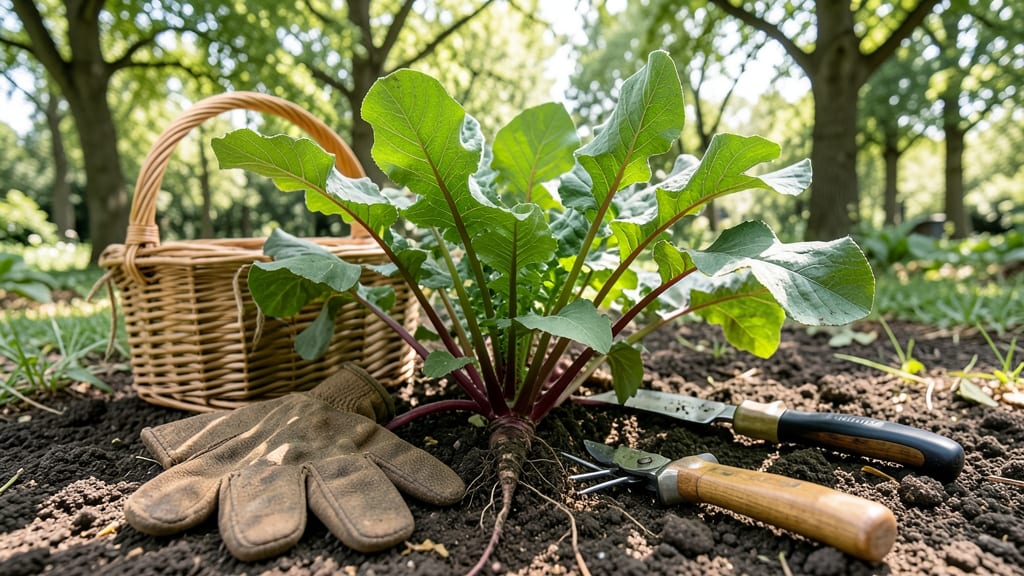
Harvesting beets at the right time ensures sweet, tender roots 🍠 — and missing the window means tough, fibrous vegetables that even boiling can’t fix.
Knowing the perfect beets harvest time can mean the difference between tender, sweet roots and tough, woody vegetables—so how do you tell when your beets are ready?
Most varieties take 50–70 days to reach peak flavor, but size and color are the real clues. A root the size of a golf ball with deep, vibrant hues is your cue to dig.
Below, I’ll walk you through the three key signs your beets are ready, climate adjustments for cooler or warmer zones, and how to store them for maximum freshness.

3 Clear signs your beets are ready for harvesting
Timing your beets harvest is an art—wait too long, and you’ll end up with tough, woody roots. But harvest too early, and you miss out on their sweetest flavor. The key lies in watching for three visual and tactile cues that tell you "now" is the perfect moment.
These signs apply whether you're growing Detroit Dark Red, Chioggia, or golden varieties, ensuring you get the best results every time.
First, focus on the root diameter. Beets reach peak tenderness when their roots measure between 1 to 3 inches in diameter. This size guarantees a balance of sweetness and texture—smaller than an inch, and they’ll taste bland; larger than three, and they’ll become fibrous.
I always check this by gently brushing away soil with my fingers to reveal the root without damaging it.
Next, observe the leaf size and health. Mature beet greens should be 4 to 6 inches tall with deep, glossy green leaves. If the foliage looks pale or stunted, your beets aren’t ready yet. Healthy leaves indicate the root has stored enough energy to develop its signature sweetness.
I also look for vibrant color—whether it’s the deep red of Detroit Dark Red or the golden hue of Golden Beets.
🌱 3 Key Signs Your Beets Are Ready
- Root Diameter: 1–3 inches (grip gently to check without digging)
- Leaf Size: 4–6 inches tall with dark green, healthy foliage
- Soil Conditions: Loose and moist (easy to dig without resistance)
Pro Tip: Morning harvests yield the sweetest beets—roots absorb moisture overnight, enhancing flavor.
Don’t overlook the soil conditions around your beets. Ready-to-harvest beets grow in loose, moist soil that’s easy to dig without resistance. If the soil feels compacted or dry, wait a day or two to water deeply before harvesting.
I always test soil moisture by pressing my finger an inch deep—if it’s damp but not soggy, it’s ideal for digging.
One mistake I see often is harvesting based solely on days after planting. While most varieties take 50–70 days to mature, environmental factors like temperature and sunlight can shift this timeline.
For example, cooler springs may delay maturity, while hot summers can speed it up. Always prioritize the visual cues over calendar dates for the best results.
For baby beets, harvest when roots reach ½ to 1 inch in diameter—these tender varieties are perfect for salads. But if you’re growing larger varieties like Chioggia, wait until roots are closer to 3 inches for their signature swirled patterns.
I recommend harvesting a few test beets first to gauge size and flavor before committing to a full harvest.
Finally, pay attention to the overall plant vigor. If the tops are wilting or yellowing, it could signal stress from over-maturity or disease. Healthy beets should have lush, upright foliage with no signs of pests or rot.
I also avoid harvesting during extreme heat, as stressed plants can develop a bitter taste. Early morning or late afternoon are the best times to dig.
Once you’ve confirmed all three signs—root size, leaf health, and soil conditions—it’s time to harvest. Use a fork or trowel to gently loosen the soil around the roots, then pull them free.
Shake off excess dirt and store them in a cool, dark place for up to two weeks. With these cues, you’ll never miss the perfect moment to enjoy homegrown beets at their peak!
🌱
How to harvest beets without damaging the roots
Once your beets reach the perfect harvest time, knowing how to dig them properly ensures you get tender, flavorful roots instead of bruised or damaged vegetables. The key is patience and the right tools—gentle extraction prevents stress on the plant and maintains quality.
Whether you're harvesting baby beets or full-sized roots, these techniques will help you avoid common mistakes that lead to spoilage or tough texture.
Start by choosing the right harvesting tools—a garden fork, hand trowel, or even your hands work well. Avoid sharp tools that can puncture the roots, as this causes bleeding and speeds up spoilage.
Work in cool morning hours when the soil is moist but not soggy, making it easier to extract whole roots without breaking them. This timing also reduces stress on the plant and preserves its natural sweetness.
Step-by-Step Beet Harvesting Guide
- 1 Loosen the soil around the beet using a garden fork or trowel. Insert the tool about 2-3 inches away from the stem and gently pry the soil loose.
- 2 Grip the beet leaves near the base and pull upward while twisting slightly. Avoid pulling by the stem, which can snap and leave the root in the soil.
- 3 Shake off excess soil gently to reveal the root. Check for any damaged areas or bruising—discard any beets that are punctured or soft.
- 4 Trim the foliage to about 1 inch above the root. This prevents moisture loss and reduces the risk of rot during storage.
- 5 Store immediately in a cool, dark place or refrigerate. For long-term storage, place beets in a plastic bag with a paper towel to absorb excess moisture.
After harvesting, store your beets properly to extend their shelf life. Place them in a plastic bag with a damp paper towel to maintain humidity, then refrigerate for up to 2 weeks.
For longer storage, consider curing them in a cool, dark place for a few days before refrigeration. This process enhances their flavor and texture, making them even sweeter over time.
If you plan to harvest beets over an extended period, leave some plants in the ground and cover them with mulch to protect the roots. This method works well for fall harvesting, allowing you to enjoy fresh beets well into the cooler months.
Always harvest in dry conditions to prevent soil from clinging to the roots, which can lead to rot.
Remember, the gentler you are during harvest, the better your beets will stay. With these techniques, you’ll enjoy perfectly preserved roots that are ready for roasting, boiling, or salads all season long. Happy harvesting! 🌱