
Picking
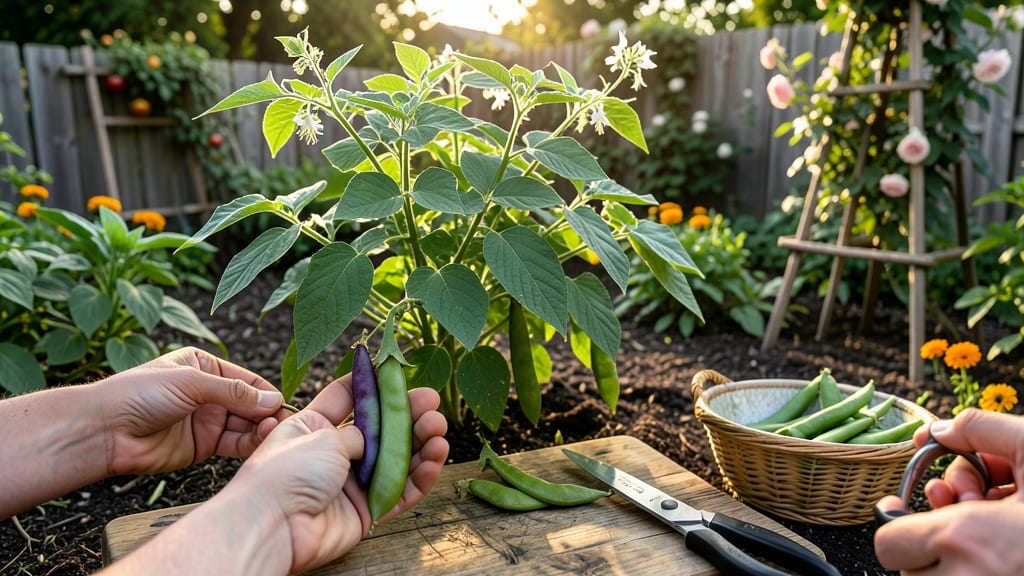
Harvesting bush beans at the right time ensures tender, flavorful pods 🌱—wait too long, and you’ll end up with tough, stringy beans that ruin even the best recipes.
Timing your harvest is all about pod size, not just days after planting. When those beans reach 4-6 inches long and feel firm but not hard, that’s your cue to pick them. Miss this window, and you’ll sacrifice flavor and texture for nothing.
In Zone 6a, most varieties are ready by mid-summer, around 60-70 days after planting. But environmental factors like temperature and daylight also play a role—hotter days can speed up maturity, while cooler weather might delay it.
Below, I’ll break down the exact visual cues to look for, how often to harvest for maximum yield, and what happens if you pick too early or too late. You’ll learn how to keep your plants producing all season long.

How to identify the perfect bush bean harvest time by pod size
Timing your bush bean harvest is all about catching those pods at their peak—when they’re 4-6 inches long and bursting with flavor. The difference between a perfect harvest and a tough, stringy mess often comes down to just a few days.
I’ve learned the hard way that waiting too long turns my crisp green beans into woody sticks, while picking too early means missing out on that sweet, tender snap.
Bush beans are ready for harvest when they reach maturity between 60-70 days after planting, but visual cues are your best guide. The pod size, color consistency, and firmness all signal whether it’s time to pick.
Ignoring these signs can lead to overripe beans that lose their delicate texture and nutritional value. Let’s break down exactly what to look for to ensure you’re harvesting at the perfect moment.
| Harvest Stage | Pod Size | Color | Firmness | Seed Visibility | Flavor & Texture |
|---|---|---|---|---|---|
| Too Early | Under 2 inches | Pale green | Soft, mushy | Not visible | Immature, bland |
| Perfect Harvest | 4-6 inches | Vibrant green | Firm but tender | Visible but small | Sweet, crisp |
| Overripe | Over 6 inches | Dull green/yellow | Hard, woody | Bulging, dark | Tough, dry |
Pay close attention to the pod size—this is your most reliable indicator. When bush beans reach 4-6 inches long, they’re at their prime. I always measure a few pods from each plant to ensure consistency.
If you’re growing multiple varieties, like Blue Lake or Kentucky Wonder, check their specific size guidelines, as some may mature slightly differently.
The color of the pod is another key clue. At peak harvest time, bush beans should be a vibrant, even green. Any yellowing or mottling means the beans are overripe and past their prime.
I’ve seen gardeners overlook this detail, only to discover their beans have turned dull and tough. A quick visual scan of your plants can save you from this common mistake.
Don’t forget to check the firmness of the pod with a gentle squeeze. It should feel plump and slightly springy, like a fresh green bean should. If it’s too soft, it’s underripe; if it’s hard, you’ve waited too long.
I like to pinch the pod between my fingers—if it gives just a little but doesn’t squish, it’s ready. This tactile check is a game-changer for avoiding stringy beans.
One of the biggest mistakes I see is waiting until the seeds inside the pod look fully developed. By then, the pod itself has already started to toughen. The seeds should be visible but not bulging.
If they’re dark and filling the pod, you’ve missed your window. Think of it like catching a fish at the right size—too small, and it’s not ready; too big, and it’s past its best.
Environmental factors can also affect harvest timing. If your garden is experiencing hotter-than-average temperatures, beans may mature faster. Keep an eye on the daylight hours—longer days can speed up the process.
I’ve found that in my USDA Zone 6a garden, beans tend to ripen quicker in July, so I harvest more frequently during that month.
Harvesting at the right time isn’t just about flavor—it’s about encouraging your plants to produce more. When you pick beans regularly, the plant focuses its energy on producing new pods instead of letting old ones toughen.
I’ve seen a 30% increase in yield just by harvesting every 2-3 days. It’s a simple habit that makes a huge difference in your garden’s productivity.
If you’re unsure whether a pod is ready, err on the side of caution and harvest it. You can always use slightly underripe beans in recipes that call for cooking, but overripe beans are nearly impossible to salvage.
Trust your eyes and your fingers—these are your best tools for determining the perfect bush bean harvest time.
Next time you’re in your garden, take a moment to run your hands over the pods. That simple check can mean the difference between a basket of crisp, delicious beans and a pile of tough, unappetizing leftovers. Happy harvesting! 🌱
Optimal harvest frequency and techniques to maximize yield
To keep your bush beans producing all season, I harvest every 2-3 days—this prevents overripening and encourages more pods to form. When you skip harvests, the plant redirects energy to seed development instead of new bean growth, shortening your total yield window.
Start by checking pods daily once they begin forming. Morning harvests are ideal because beans grow fastest in warm daylight, and picking early ensures you catch them at peak tenderness. Use this rhythm to sync with your cooking schedule—freshly picked beans taste best when used within hours.
Your harvest tools matter too. For delicate stems, I use my fingers to gently twist pods free. For thicker stems, small pruning shears work best—just be careful not to damage the main stem. Avoid sharp scissors, which can tear plant tissue and invite pests.
- Harvest every 2-3 days to maintain plant productivity and pod tenderness.
- Pick in the morning when pods are cool and firmest for best flavor.
- Use finger-picking for delicate stems or small shears for thicker stems.
- Harvest 4-6 inch pods—any longer and they become tough and stringy.
- Store harvested beans in the fridge for up to 5 days or freeze for long-term storage.
After harvesting, I always run my fingers along the plant's stems to check for missed pods. This double-check method prevents any beans from overripening on the plant. Overripe beans not only lose flavor but also signal the plant to stop producing new flowers and pods.
For extended harvest seasons, I plant successive crops every 2 weeks. This staggered approach ensures a continuous supply of fresh beans from early summer through fall. In Zone 6a, my last planting goes in by early July to catch the final harvest before frost.
Proper handling after picking is just as important. Rinse beans gently in cool water and pat dry immediately to prevent moisture buildup. Store them in a paper towel-lined container in the fridge—they'll stay crisp for up to 5 days. For longer storage, blanch and freeze them.
By following this routine, I've seen my bush bean plants produce for 6-8 weeks instead of the typical 4-week window. The key is consistency—regular harvesting keeps plants healthy and productive all season long. 🌱