
Planting
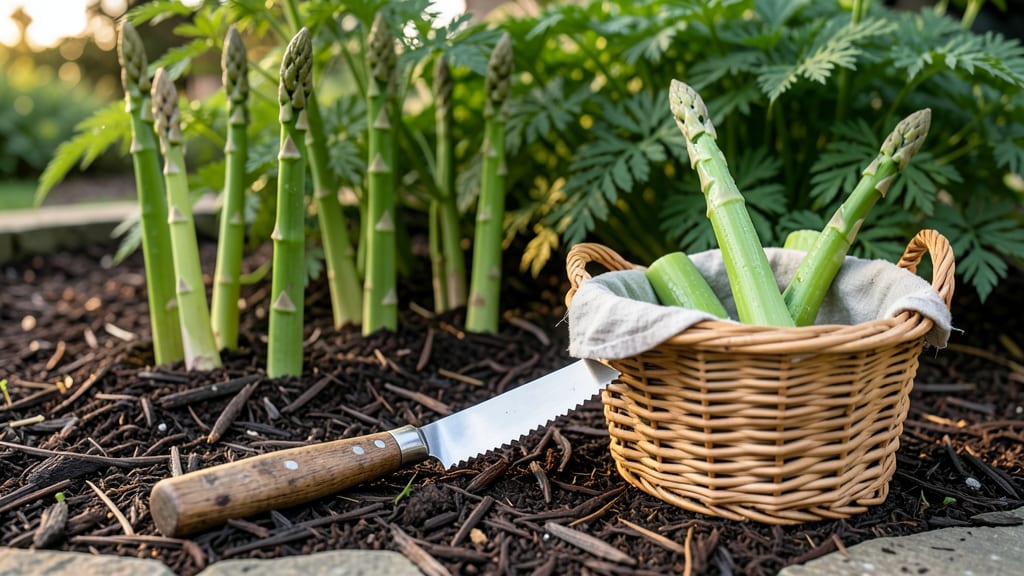
Harvesting asparagus at the right time after planting means the difference between tender, restaurant-quality spears and tough, bitter stalks—so timing is everything.
I’ve watched my 🌱 asparagus crowns go from hopeful shoots to a missed harvest season because I didn’t act fast enough. The first year is the hardest to nail, but once you get it right, you’ll enjoy fresh spears for decades.
You’ll need to wait until the second spring after planting before you can harvest at all, but after that, it’s all about visual cues: spear height, bud tightness, and stem firmness. Miss these signs, and your plant might bolt—turning your dinner plans into a sad, fern-filled disappointment.
In this guide, I’ll walk you through the exact 3 visual cues to harvest asparagus at peak freshness, how to avoid common mistakes, and what to do if you harvest too early or late. Let’s get those spears perfect!
3 Visual cues to harvest asparagus at peak freshness
Harvesting asparagus at the right moment transforms your garden into a restaurant-quality crop instead of tough, woody stalks. The key lies in watching for three visual cues that signal perfect ripeness.
These cues—spear height, bud tightness, and stem thickness—work together to ensure you harvest when the flavor and texture are at their peak.
First-year asparagus plants need patience, but by year two, your bed will reward you with a bounty if you follow these simple rules. Missing these cues can lead to bolting (when plants flower prematurely) or reduced future yields.
Let’s break down exactly what to look for so you never miss the harvest window again.
-
1Spear Height: Harvest when spears reach 6-8 inches tall—this ensures they’re long enough for cooking but haven’t started to toughen. Use a ruler or your hand (about the length of your palm) as a quick guide.
-
2Bud Tightness: The tip of the spear should remain closed and compact. If you see even a slight opening or fern-like fronds, the spear has passed its prime. Think of it like a tightly coiled spring—when it loosens, it’s time to stop harvesting.
-
3Stem Thickness: Ideal spears feel firm and bright green with a diameter of about ½ to ¾ inch. Thicker stems (over 1 inch) are tough and fibrous, while thinner ones may not be fully developed. Run your thumb along the stem—it should yield slightly to gentle pressure.
Timing your harvest around these visual cues is especially critical in warmer climates (zones 8-10), where asparagus can bolt faster. In cooler zones (3-7), you have a longer window, but don’t let spears grow beyond 8 inches—they’ll quickly become woody and inedible.
Pro tip: Harvest in the morning when spears are crispest and most flavorful.
One common mistake is harvesting too aggressively in the first year. Asparagus crowns need time to establish roots, so limit yourself to 3-4 spears per plant in year one.
By year two, you can increase your harvest, but always prioritize these three visual cues over quantity. Ignoring them risks reduced future yields and bitter-tasting spears.
Regional differences also play a role. In northern climates, harvest asparagus from April to June when soil temperatures reach 50°F. In southern regions, start as early as February and extend harvests into July.
Always check for frost risk—asparagus won’t survive freezing temperatures, so stop harvesting 4-6 weeks before the first frost.
To maximize your yield, stop harvesting once spears start producing fern-like foliage. This signals the plant is shifting energy to root and crown growth for next year’s harvest. Let the foliage grow until late summer, then trim it back in September to prepare for dormancy.
This cycle ensures your asparagus bed remains productive for 15-20 years or longer.
If you’re unsure whether a spear is ready, use the "palm test": Hold the spear in your hand—if it fits comfortably from wrist to fingertips, it’s likely 6-8 inches tall and ready.
For bud tightness, gently squeeze the tip; it should feel firm like a closed fist, not soft or springy. These simple checks take seconds but save you from harvesting overmature spears.
Finally, avoid the temptation to harvest thin, pencil-like spears—they’re underdeveloped and won’t taste as sweet. Wait until they reach the minimum 6-inch mark for the best flavor. The same goes for thick, woody stalks: Once they exceed ¾ inch in diameter, they’re past their prime.
Balance is key—harvest enough to enjoy fresh spears, but leave enough for the plant to thrive.
Mastering these three visual cues turns asparagus harvesting from a guesswork game into a precision task. With practice, you’ll develop an eye for the perfect spear, ensuring your garden delivers tender, sweet, and restaurant-worthy asparagus year after year. Happy harvesting! 🌱
How to harvest asparagus without damaging future growth
Once your asparagus crowns establish roots, the real magic happens in year two when those first spears emerge. But harvesting too soon or using the wrong technique can weaken your plant for years.
I’ve learned the hard way that patience and precision pay off—your asparagus bed can thrive for 15+ years if you handle it right.
The key is a step-by-step cutting technique that protects the crown while encouraging future growth. You’ll need to time your harvests with the seasonal schedule (spring only!) and follow post-harvest care to keep your plants happy. Let’s break it down so you can enjoy fresh spears for decades.
⚠️ Critical Harvest Timing Warning
Harvesting asparagus too early (before year two) stunts growth, while waiting too long (after spears exceed 8 inches) causes bolting. First-year spears must be snapped off at ground level to redirect energy to root development. Never harvest in years one or three if spears exceed 6-8 inches—this triggers permanent decline.
Start harvesting in early spring (typically April-May in most zones) when soil temperatures reach 50°F (10°C). Use a sharp knife or shears to cut spears 1-2 inches below soil level—this prevents damage to the crown.
Avoid pulling spears, which can uproot the plant and leave it vulnerable to disease.
Your harvest schedule should follow these rules: harvest for 6-8 weeks in spring, then let the plant recover. Stop harvesting when spears become thin and woody (usually by late June).
This gives the plant time to build energy for next year’s crop. I like to mark my calendar with harvest start dates based on my local frost dates.
After harvesting, focus on post-harvest care. Water deeply to replace moisture lost during cutting, and apply 2-3 inches of mulch to retain soil moisture and suppress weeds.
In early fall, add a balanced fertilizer (like 10-10-10) to replenish nutrients. This ensures your asparagus crowns stay strong for next year’s harvest.
Protect your asparagus bed from over-harvesting—never take more than 20% of spears in the first season, and increase gradually. If you notice yellowing ferns or stunted growth, you’ve likely harvested too aggressively. Adjust your approach and give your plants time to recover.
With the right technique, your asparagus will reward you with tender spears for decades. The first few years are about patience, but once you master the timing, you’ll have a self-sustaining crop that requires minimal effort. Happy harvesting!