
Vegetables
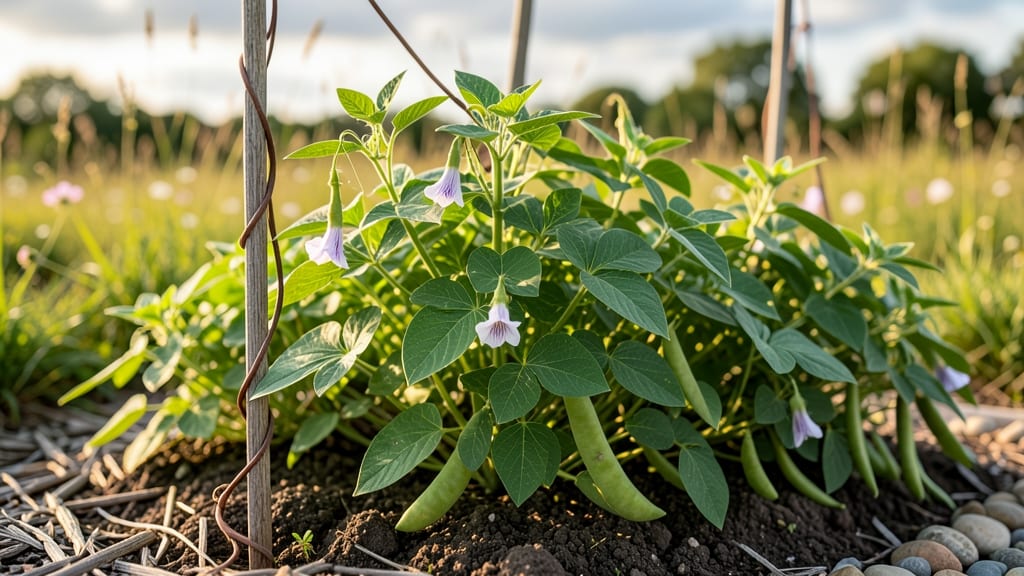
Growing green beans from seed to harvest in just 45 days is easier than you think, especially with the right varieties and timing.
If you're eager to enjoy homegrown green beans but impatient to wait months for harvest, you're in the right place—fast-maturing varieties and smart planting strategies can get you fresh beans in as little as 45 days. 🌱 The key is choosing the fastest varieties, like 'Contender' or 'Blue Lake,' and planting them at the perfect time to maximize speed without sacrificing quality.
Most gardeners overlook the importance of soil prep and sunlight exposure, which can add weeks to your harvest timeline. With the right conditions—well-drained soil, full sun, and consistent moisture—you can shave days off the process and enjoy a bountiful harvest sooner than expected.
In this guide, I’ll walk you through the fastest-growing green bean varieties, the ideal planting calendar for your zone, and pro tips to speed up growth. By the end, you’ll know exactly when to plant, how to care for your beans, and when to harvest for the crispest, freshest pods.

Fastest green bean varieties from seed to harvest (with exact days)
If you're dreaming of fresh, homegrown green beans but don't want to wait months, you'll love these ultra-fast varieties that deliver harvests in as little as 45 days.
The key lies in selecting the right green bean types—whether bush beans or pole beans—and understanding their unique growth speeds. For example, the 'Contender' bush bean matures in just 48 days, while the 'Blue Lake' pole bean takes about 55 days but produces for weeks longer.
Let's break down the fastest options and how to maximize their speed from seed to table.
When choosing your fastest green bean varieties, consider both maturity days and your growing conditions. Bush beans like 'Mascotte' (50 days) are compact and perfect for small spaces, while pole beans like 'Blue Lake' (55 days) require trellises but yield more over time.
Both thrive in warm soil (60°F+) and full sun (6-8 hours daily), but bush beans tolerate cooler temperatures better. For the absolute fastest harvest, prioritize early-season planting after your last frost date and use black plastic mulch to warm the soil quickly.
Here’s how these varieties compare in terms of harvest speed, growth habit, and ideal conditions to help you pick the perfect fit for your garden:
| Variety | Type | Days to Harvest | Height | Best For | Space Needs |
|---|---|---|---|---|---|
| Contender | Bush | 48 days | 18-24" | Fastest harvest | Compact rows |
| Blue Lake | Pole | 55 days | 6-8 ft | Long harvest | Trellis or fence |
| Mascotte | Bush | 50 days | 18-24" | Disease-resistant | Small gardens |
| Blue Lake Bush | Bush | 52 days | 18-24" | Classic flavor | Containers |
| Kentucky Wonder | Pole | 58 days | 8-10 ft | Heirloom | Vertical space |
The Contender bush bean is my top pick for speed—it’s the fastest to mature at just 48 days, making it ideal for early summer harvests.
If you’re short on space but want a steady supply, 'Blue Lake Bush' (52 days) is a great alternative, offering the same flavor as its pole counterpart without needing a trellis.
For pole bean lovers, 'Blue Lake' (55 days) is worth the extra time because it produces beans for weeks longer than bush varieties. Always plant seeds 1 inch deep and 3-4 inches apart for optimal airflow and growth speed.
To further speed up germination, soak your seeds in warm water for 4-6 hours before planting. This trick can shave off 2-3 days from your total harvest time.
Pair this with black plastic mulch to keep soil temperatures warm, and you’ll see sprouts emerge in as little as 5-7 days. Avoid over-fertilizing early on—green beans prefer moderate nutrients and too much nitrogen can delay flowering and pod production.
Instead, focus on well-draining soil rich in compost for the fastest, healthiest growth.
Once your beans reach 4-6 inches in length and feel crisp when bent, they’re ready to harvest. For bush beans, this typically happens 1-2 weeks after flowering, while pole beans may take an extra week due to their taller stature.
Harvest every 2-3 days to encourage more production—this prevents pods from becoming tough or fibrous. Use sharp scissors or pruners to avoid damaging the plant, and always harvest in the morning after dew dries for the freshest flavor.
If you’re growing in containers, choose 'Blue Lake Bush' or 'Mascotte'—both thrive in
Green bean planting calendar: when to start seeds indoors vs. outdoors
Timing is everything when growing green beans—plant too early, and you’ll face frost damage; too late, and summer’s over before harvest. The key is calculating your local frost dates and soil temperatures to maximize seed-to-harvest speed.
Most varieties mature in 50-60 days, so your planting window is critical for a summer-long supply.
Start by checking your USDA hardiness zone and last frost date (use the National Weather Service or local extension office).
For example, in Zone 6a, I plant outdoors 2-3 weeks after last frost (typically mid-April), while in Zone 8b, I can start seeds outdoors as early as February for a winter harvest.
Soil temperature matters too—green beans thrive when soil is at least 60°F (15°C). Use a soil thermometer to confirm before planting. In cooler climates, I often start seeds indoors 4-6 weeks before last frost to give seedlings a head start, then transplant after danger of frost has passed.
For year-round growing in warm climates (Zones 8-11), I plant green beans every 2-3 weeks from February through October. In these regions, use shade cloth during summer to prevent bolting (premature flowering).
I’ve even had success with fall plantings in Zone 9, harvesting until November if I start seeds in early September.
Pro tip: Use succession planting to ensure a continuous supply. For example, in my garden, I sow Contender beans (50-day variety) every 10 days from May through July. This method guarantees fresh pods for 3-4 months without gaps. Just remember to harvest regularly—overripe pods reduce future production.
If you’re new to planting, start with bush varieties like 'Blue Lake' for simplicity—they don’t require trellises and mature faster than pole beans. For pole varieties like 'Kentucky Wonder,' plan to install trellises at planting and be patient—they take slightly longer to harvest but produce more over time.