
How To
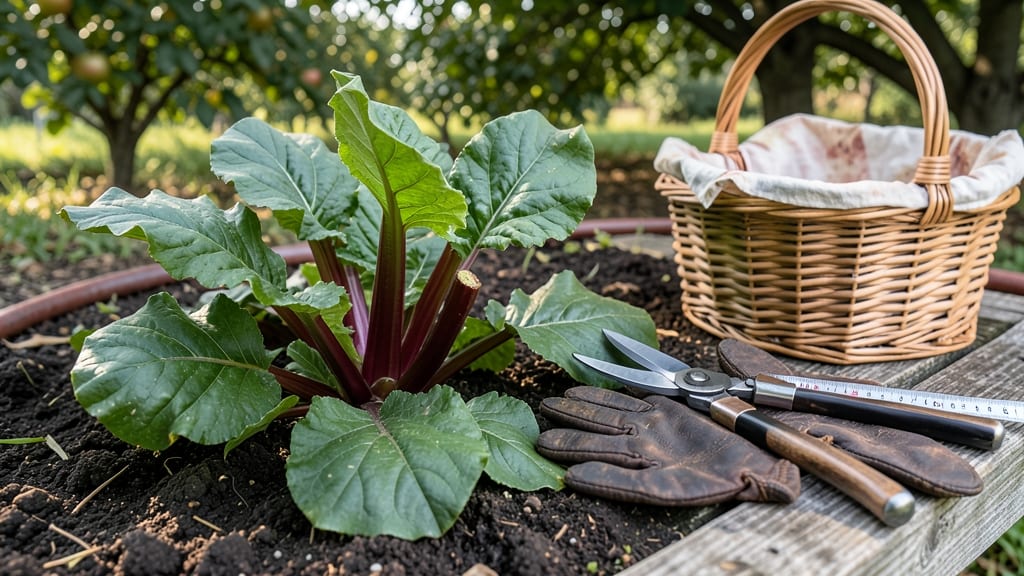
The best way to harvest rhubarb ensures sweet, tender stalks 🍃—but one wrong cut can turn your crop bitter or send the plant into early bolting.
Picture this: you’ve waited all spring for those deep red or vibrant green stalks, only to pull one and taste a sharp, almost woody bite. That’s the cost of harvesting too late, and it happens more often than gardeners realize.
The secret? A simple stem snap test that reveals peak sweetness before the plant shifts its energy to flowering.
You’re not just picking rhubarb—you’re deciding whether next year’s harvest will be abundant or stunted. Below, I’ll walk you through the exact moment to harvest (hint: it’s not when the stalks look biggest), the right tools to use, and how to cut without damaging the crown for future growth.
Skip the guesswork and learn how to harvest rhubarb like a pro—so you’re left with plump, crisp stalks and a plant that keeps producing for years.
How to perform the rhubarb stem snap test for perfect harvest timing
Harvesting rhubarb at the perfect moment transforms its tart-sweet flavor from mediocre to exceptional. The stem snap test is my go-to method for determining when stalks are ready—no guesswork required.
This simple technique reveals whether your rhubarb is crisp and sweet or still woody and bitter, saving you from disappointment.
The best time to perform the snap test is in late spring to early summer, when stalks reach 10-12 inches long and leaves are fully unfurled. This aligns with rhubarb’s peak harvest window (May-June in most USDA zones).
Avoid testing stalks before they’ve had 6-8 weeks of growth, as they won’t be mature enough for accurate results.
Here’s how to perform the test correctly: grasp a stalk near the base and bend it gently toward your body. The sound and feel of the snap will tell you everything you need to know about ripeness.
A crisp, clean break indicates perfect timing, while a dull snap or bend signals the stalk needs more time to develop its signature flavor.
Step-by-Step: How to Test Rhubarb Stalks
- 🌱 Step 1: Choose the Right Stalk
Select a mature stalk (10-12 inches) that’s deep in color (red or green) and firm to the touch. Avoid stalks with yellowing leaves or soft spots. - 🤲 Step 2: Grasp Near the Base
Hold the stalk 1-2 inches above the crown with your thumb and forefinger. Apply gentle pressure—you’re not breaking it yet, just testing its resistance. - ✂️ Step 3: Bend Toward Your Body
Slowly bend the stalk away from you (not sideways). Listen for the sound and feel the texture of the break. A sharp snap means it’s ready! - 🔊 Step 4: Interpret the Snap
- Crisp snap: Perfect ripeness—harvest now for sweetest flavor.
- Dull snap or bend: Not ready—wait 3-5 days and retest.
- Woody break: Overripe—flavor will be bitter and tough.
- 📅 Step 5: Time Your Harvest
Perform the snap test every 2-3 days during peak season to catch stalks at their sweetest moment. Early morning is ideal—stalks are firmer and cooler, making the test more accurate.
The ideal stalk thickness for harvesting is about 1/2 to 3/4 inch in diameter. Thinner stalks (under 1/4 inch) are usually too young and bland, while thicker stalks (over 1 inch) often become fibrous and tough.
Use the snap test to confirm ripeness regardless of size—this method works for both red and green varieties.
Seasonal timing is critical for the snap test’s accuracy. In Zone 6 and colder, start testing in late May when soil temperatures reach 50°F. Warmer zones (like Zone 8) can begin as early as April.
Stop testing by mid-July to prevent bolting (when rhubarb sends up a flower stalk), which ruins future harvests.
If you hear a clean, crisp snap and the stalk breaks easily, congratulations—you’ve found a perfectly ripe rhubarb stalk! Harvest it immediately by cutting 1 inch above the crown with a sharp knife or pruners.
This preserves the plant’s energy for regrowth and future harvests. Avoid pulling stalks by hand, as this can damage the crown.
What if your stalks fail the snap test? Don’t panic—this just means they need more time. Over-harvesting immature stalks stresses the plant and reduces next year’s yield.
Instead, focus on watering consistently (1-2 inches per week) and fertilizing lightly with a balanced 10-10-10 mix to encourage stronger growth. Retest stalks in 3-5 days.
Pro tip: Keep a harvest journal to track when your rhubarb passes the snap test each year. Note the date, stalk thickness, and weather conditions—this helps you predict future harvest windows. Over time, you’ll recognize the perfect snap sound by ear, making the test even faster!
Mastering the stem snap test ensures your rhubarb harvests are always sweet, tender, and abundant. Once you’ve nailed this technique, you’ll never settle for bland or bitter stalks again. Happy harvesting—and may your rhubarb patches thrive for years to come! 🌱
When and how to harvest rhubarb without damaging the plant
Harvesting rhubarb at the right time ensures peak flavor while protecting your plant for future harvests. The key is patience—never harvest the first year after planting, as the plant needs time to establish its root system. Once established, focus on selective harvesting to avoid stressing the plant.
Timing matters most in late spring or early summer when stalks reach 10-12 inches long. Over-harvesting can trigger bolting, causing the plant to flower prematurely and reducing next year's yield. Always prioritize healthy stalks over quantity to maintain your rhubarb's vigor.
- ✅ Gentler on stalks
- ✅ No damage to surrounding stalks
- ✅ Good for small gardens
- ❌ Slower process
- ❌ Harder on hands for large harvests
- ✅ Faster for large harvests
- ✅ Cleaner cuts reduce disease risk
- ✅ Better for thick stalks
- ❌ Risk of damaging nearby stalks
- ❌ Requires sharp tool
When harvesting, always cut stalks at the base where they meet the crown. Avoid pulling stalks, which can damage the root system and weaken future growth. I like to leave at least 3-4 stalks per plant to ensure the crown remains healthy and continues producing.
Never harvest more than one-third of the stalks at once, even if your plant looks abundant. This rule prevents nutrient depletion and bolting. In my experience, weekly harvesting in peak season keeps the plant balanced while providing a steady supply of fresh rhubarb.
After harvesting, store stalks in the refrigerator for up to 5-7 days to maintain freshness. For long-term storage, freeze stalks after washing and trimming. Always remove any yellowing leaves before storage, as they can accelerate spoilage.
Protect your rhubarb plant's crown by mulching around the base with 2-3 inches of organic mulch. This preserves moisture, regulates soil temperature, and prevents weeds from competing with your rhubarb for nutrients. Mulching also helps extend the harvest season by keeping the soil cool.