
Picking
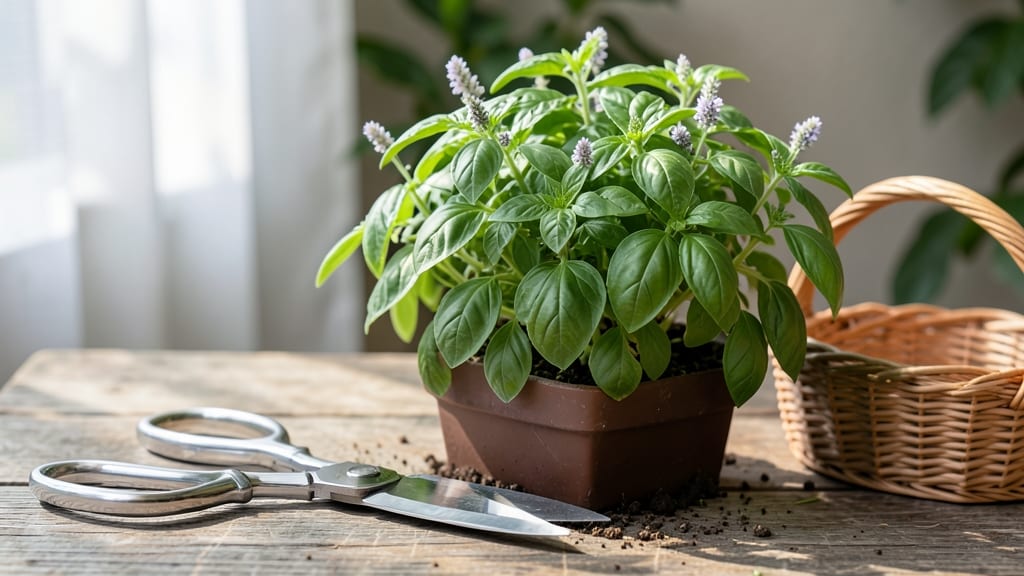
Harvesting basil at the right time unlocks its boldest flavor 🌿 — when leaves cup tightly and stems stay tender, you’re just days away from peak freshness.
If you’ve ever wondered why your basil leaves taste milder than expected, the answer lies in understanding the perfect basil harvest time. Too early, and you’re left with sparse, weak stems; too late, and the plant bolts to flower, leaving bitter notes behind.
In Zone 6, your window runs from June through September, but timing matters even more than the calendar. The moment leaves unfurl fully and cup tightly—about 60 days after planting—is when you snip for maximum aroma and growth.
Below, I’ll walk you through how to spot the ideal moment, the best pruning techniques to keep your basil bushy, and how to extend your harvest well past the first frost.

When to harvest basil for maximum flavor and growth
Timing your basil harvest correctly transforms mild-tasting leaves into bold, aromatic treasures. The secret lies in watching for leaf cupping—when those broad leaves form tight, upward curves. This isn't just about size; it's when essential oils peak, delivering that signature basil punch.
I've learned that harvesting at this stage doesn't just preserve flavor—it also signals your plant to produce more leaves, keeping your harvest bountiful all season.
Most gardeners make the mistake of waiting until leaves are fully mature before harvesting. But by then, the plant often shifts energy toward flowering, reducing leaf production and flavor intensity. The ideal harvest window opens when your basil reaches 6-8 inches tall and has developed 4-6 true leaves.
At this stage, the leaves will be large enough to pinch but still tender enough to eat fresh or cook with.
Harvest when leaves form tight upward curves. This indicates peak flavor intensity and aromatic oils. Use clean pruning shears to avoid crushing stems.
Ideal harvest height is 6-8 inches. For Genovese basil, wait until stems reach 12 inches for larger leaves. Never harvest more than 1/3 of the plant at once.
Outdoor basil: Harvest from June through September in Zone 6. Indoor basil can be harvested year-round with grow lights. Avoid harvesting when flower buds appear—this signals the end of prime leaf production.
Always cut above a leaf node (where leaves meet stems). This encourages bushier growth and prevents woody stems. Regular pruning extends harvest season by 4-6 weeks compared to single harvests.
Don't: Harvest larger leaves only—this weakens the plant. Don't use dull tools that crush stems. Do: Harvest in the morning for maximum flavor and store properly to preserve freshness.
Seasonal factors play a surprisingly large role in basil's harvest time. In warmer climates (Zones 8-10), basil grows aggressively and can be harvested year-round, though flavor peaks in spring and summer.
In cooler Zone 6 gardens like mine, I start harvesting in late May and continue through September, stopping only when nights drop below 50°F.
Indoor basil, on the other hand, doesn't follow seasonal rules—it's ready to harvest whenever those leaves cup, making it perfect for winter growing with proper lighting.
Many gardeners overlook how pruning techniques directly impact harvest timing. When you pinch off the top sets of leaves, you're not just harvesting—you're stimulating new growth. This method, called terminal bud pruning, encourages the plant to branch out, creating more harvest points.
I've seen basil plants go from single stems to bushy, multi-stemmed shrubs in just 3 weeks with regular pruning. The key is consistency: harvest every 2-3 weeks during peak season to maintain that bushy, productive shape.
There's a common misconception that you should wait until basil flowers to harvest. But those flower buds are actually a red flag—once they appear, the plant shifts focus from leaf production to seed development.
The leaves may still be edible, but their flavor will be milder and more bitter. To prevent flowering, I remove any buds as soon as I spot them. This redirection of energy keeps your basil focused on leaf production for weeks longer than if I'd ignored those early signs.
For container-grown basil, harvest timing works slightly differently due to limited space. Since these plants have restricted root systems, they can't support as much leaf growth. I find that container basil reaches harvest readiness 2-3 weeks earlier than in-ground plants.
The leaves will still cup, but the entire plant will be smaller. This makes frequent, smaller harvests even more important—you're essentially milking every possible leaf from the plant without compromising its health.
One of my biggest harvest-time discoveries came from experimenting with different basil varieties. Genovese basil, for example, develops larger leaves that take slightly longer to cup compared to Sweet basil.
The Thai basil in my garden, however, cups its leaves more aggressively and is ready for harvest 10-14 days earlier than other varieties. Understanding these subtle differences has let me stagger my harvests and enjoy fresh basil for a longer growing season.
To maximize your harvest window, pay attention to the plant's growth cycle. Basil typically lives for 60-90 days before flowering becomes inevitable. By that point, the leaves will start developing woody stems, and new growth will be sparse.
This is your signal to either harvest the entire plant or start new seedlings. I've found that succession planting—sowing
Step-by-step guide to harvesting basil without damaging the plant
Harvesting basil correctly is the secret to a continuous supply of flavorful leaves all season long. When done right, your plant will grow bushier and healthier, producing more leaves than you can use.
The key is to prune strategically—never more than one-third of the plant at a time—and always use the right tools for clean cuts.
Start by waiting until your basil reaches 6 to 8 inches tall and has at least 6-8 leaves per stem. This ensures the plant is established enough to recover quickly. If you harvest too early, you risk stunting growth or leaving the plant vulnerable to pests and diseases.
Before you begin, gather your tools: a pair of sharp pruning shears or clean scissors, and—if you’re feeling fancy—a small bowl to collect your harvest. Avoid using your fingers or dull tools, as they can crush stems and invite infections.
⚠️ Warning: Never Harvest Flowering Basil!
If your basil develops flower buds or blooms, it’s a sign the plant is bolting—its energy shifts from leaves to seeds, making the flavor bitter and the stems woody. Harvest before flowering to maintain tender, aromatic leaves.
If flowers appear, prune them immediately to redirect the plant’s energy back to leaf production.
To harvest, locate the top set of leaves on a stem—these are the largest and most flavorful. Using your shears, make a clean cut just above a leaf node (the point where leaves meet the stem). This encourages new growth from that node, giving you more leaves in the future.
Avoid cutting into the main stem or removing more than one-third of the plant at once. Over-harvesting stresses the basil and can lead to leggy growth or even death. Instead, focus on regular, light pruning every 2-3 weeks to keep your plant compact and productive.
After harvesting, rinse the leaves gently under cool water to remove dirt, then pat them dry with a clean towel. Store them in the fridge for up to 5 days or use them immediately in your favorite recipes.
For a longer shelf life, try drying or freezing the leaves—both methods preserve flavor beautifully.
With the right technique, your basil will thrive and keep producing lush, aromatic leaves well into fall. Happy harvesting! 🌿