
Vegetables
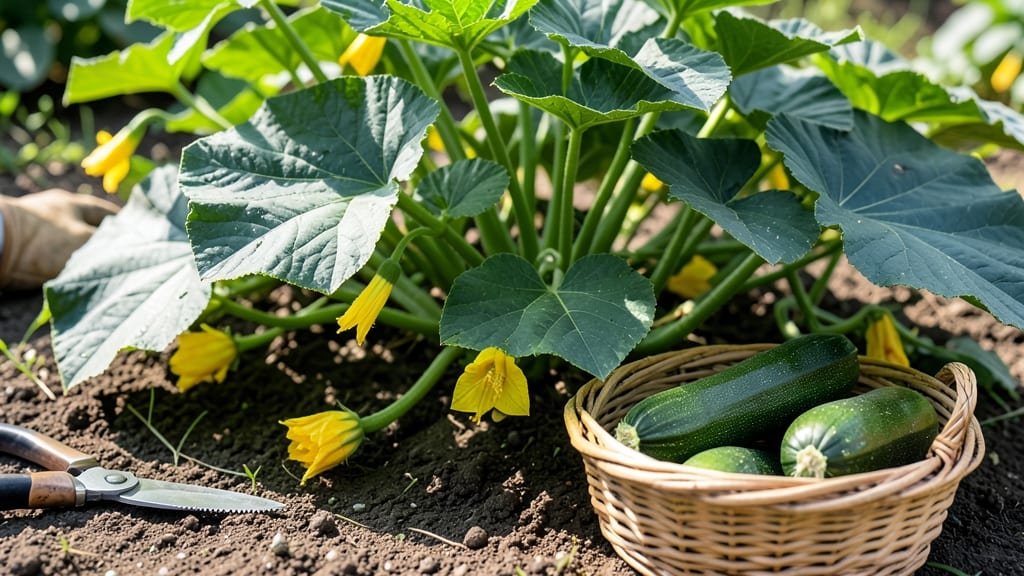
Harvesting zucchini squash at the right time means the difference between tender, sweet 🎃 squash and bitter, seedy disappointment.
Picture this: you check your garden one morning, and suddenly, your once-perfect zucchini has turned into a tough, overgrown monster. Too late—it’s bolted, and now you’re stuck with a crop that’s more like wood than food. The key to avoiding this fate? Timing your harvest with precision.
Most gardeners miss the window because they don’t know the subtle cues—like the 3-fingerwidth rule or when the skin turns from pale to deep green. These tricks don’t just save your zucchini from bolting; they also keep your plants producing for weeks longer.
In this guide, I’ll walk you through the exact signs to watch for, how often to pick for maximum yield, and what to do if you’ve already let yours get away. No more wasted harvests—just perfect, flavorful zucchini every time.
The 3 fingerwidth rules for perfect zucchini harvest timing
Zucchini grows faster than you can say "summer squash" — sometimes overnight! That's why harvest timing matters more than most gardeners realize. When you pick too early, you get underdeveloped fruit with bitter flavors.
Too late, and you're left with woody, seedy monsters that take over your garden. The secret? Fingerwidth measurements backed by plant science.
Think of your fingers as a harvest ruler. The width of your thumb, middle, and pinky fingers corresponds to three critical stages of zucchini ripeness. Master these, and you'll never again wonder, "When to harvest zucchini squash?" The answer lies in your palm.
Why size matters: Zucchini flavor peaks when seeds remain small (about 1/8-inch diameter). Once seeds grow larger, the squash becomes stringy and less tender. The three-finger rule helps you catch them at that sweet spot before the plant shifts energy to flower production.
Here's the science: Zucchini plants produce female flowers that develop into fruit. If you don't harvest, the plant focuses on seed development instead of producing more flowers. That's why regular harvesting keeps your plants productive all season.
| Fingerwidth Stage | Size Range | Color Cues | Texture Test | Flavor Profile |
|---|---|---|---|---|
| Thumb Width (1 inch) | 4–6 inches long | Bright green, even | Skin gives slightly when pressed | Mild, sweet, tender |
| Middle Finger (2 inches) | 6–8 inches long | Deep green, glossy | Firm but not hard | Peak flavor, minimal seeds |
| Pinky Finger (3 inches) | 8–10 inches long | Dull green, slight yellowing | Skin resists pressure | Acceptable but tougher |
The thumb-width stage (1 inch) is where I start harvesting my zucchini. At this size, the squash is tender and delicate, perfect for grilling or spiralizing.
I call these my "baby zucchini" and they're my favorite for quick meals. The skin is thin enough to eat, and the seeds are barely noticeable.
When zucchini reach middle finger width (2 inches), that's when they're at their peak flavor. This is the golden window where the balance of sweetness and texture is perfect. The skin is slightly thicker but still tender, and the seeds are small enough to eat if you're feeling adventurous.
This is the size most gardeners aim for when they're preserving or freezing their harvest.
By the time your zucchini reach pinky finger width (3 inches), you're in the danger zone. The skin becomes tougher, the seeds grow larger, and the flavor starts to decline.
While these can still be used in baked goods or soups, they're not ideal for fresh eating. This is when your plant starts signaling it's ready to bolt (flower and produce seeds) instead of growing more fruit.
Pro tip: Use a sharp pruning shear to harvest. Cut the zucchini 1 inch below the fruit to avoid damaging the vine. Always harvest in the morning when the fruit is cool and firm.
This gives you the most accurate texture test and ensures you're getting the freshest possible harvest.
Remember, zucchini plants produce more fruit when you harvest regularly. If you leave them on the vine, the plant thinks it's done producing and will stop flowering.
That's why I check my plants every other day during peak season. The more you harvest, the more your plant will produce!
🌱
Signs your zucchini is past prime: how to spot overripe squash
Overripe zucchini transforms from tender delicacy to woody, seedy disappointment in just days. The key is catching those subtle visual and tactile cues before your plant bolts—when it shifts energy from fruit production to seed development.
I’ve learned the hard way that ignoring these warning signs means sacrificing flavor and yield for the rest of the season.
First, check the stem end color. A bright yellow (not green) signals maturity, but if it turns dull brown or black, your zucchini has overstayed its welcome. This discoloration happens when the plant stops nourishing the fruit, focusing instead on flower production for next year’s seeds.
Even worse? The skin texture becomes tough and woody—like gnawing on a baseball bat instead of a fresh squash.
Don’t rely solely on size either. A 6–8 inch zucchini is ideal, but if yours stretches to 10+ inches, it’s past prime. The seeds inside will have swollen into large, hard beads, turning your dish from gourmet to bitter, fibrous regret.
Worse yet, the flesh near the seeds turns stringy and unpleasantly dry, making even grilling a chore.
Here’s where many gardeners trip up: flower appearance. If you spot male flowers (with long stems) still clinging to the plant while your zucchini grows massive, your plant is signaling it’s done producing fruit.
Female flowers (with tiny zucchini behind them) should wilt and drop off after harvest. When they linger or turn brown, your plant has given up on fruit.
When to Harvest Zucchini Squash
✅ DO Harvest When...
- 6–8 inches long
- Skin resists thumbnail pressure
- Stem end turns bright yellow
- Flesh is tender and moist
- Seeds are tiny and soft
❌ DON'T Harvest When...
- Over 10 inches long
- Skin turns yellow or dull
- Stem end is brown/black
- Texture feels woody
- Seeds are large and hard
Pro Tip: Use a serrated knife to slice the stem—never twist—so the plant heals faster and keeps producing.
If you’ve missed the window and ended up with overripe zucchini, don’t toss it! These squash can still shine in bread, fritters, or pickled slices where their slightly sweet, dense texture works in your favor.
Slice them thin, remove the seeds, and cook immediately to soften the fibers. For extreme cases, roast the seeds (they’re edible!) and compost the rest—your soil will thank you.
For borderline cases, cut open the squash and check the seed size. If they’re pea-sized or smaller, you can still salvage it by peeling and using the flesh in cooked dishes.
But if they’re marble-sized, it’s time to accept the loss and focus on harvesting the next batch—your plant may still produce a few more if you act fast.
Remember: Zucchini grows fast—sometimes overnight! Set a reminder to check your plants every 2–3 days during peak season. The sooner you spot these signs, the sooner you’ll enjoy tender, flavorful squash instead of tough, seedy frustration. Happy harvesting! 🎃