
How To
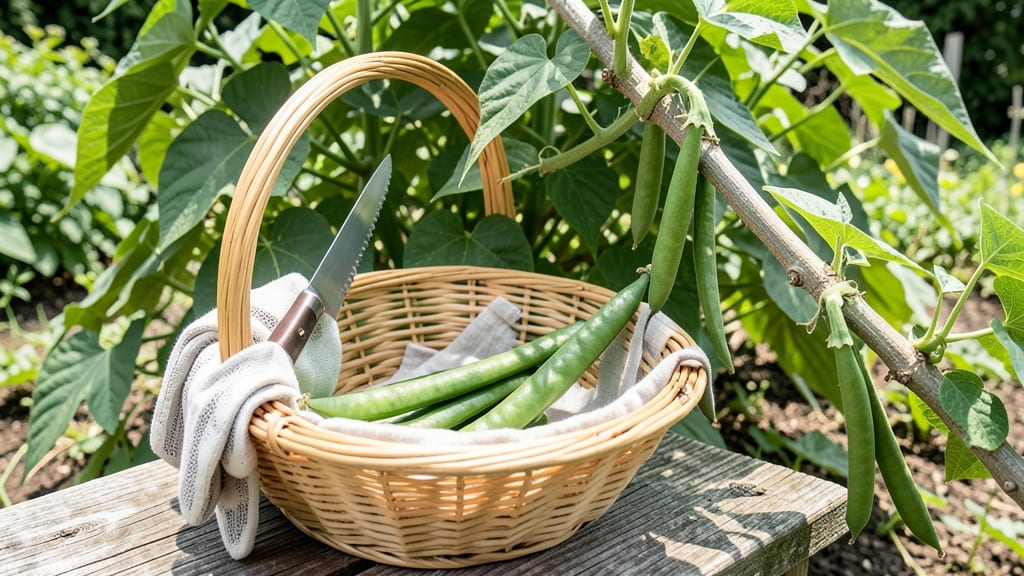
Harvest yard long beans when pods reach 12–18 inches and snap crisply—this is the sweet spot for tender, flavorful beans 🌱.
Picture this: you’ve nurtured your yard long beans all season, and now the moment of truth arrives. One wrong move, and those delicious pods turn tough and stringy.
The difference between a perfect harvest and a culinary misstep comes down to timing—and knowing exactly when to pick makes all the difference.
These beans don’t wait forever. Once they hit 18 inches, they start to harden, and the seeds inside grow larger, making the pods fibrous and less enjoyable. But harvest too early, and you’ll miss out on their full potential.
The key is catching them at that exact moment when they’re bright green, glossy, and ready to be snapped cleanly between your fingers.
In this guide, I’ll walk you through the visual and tactile cues to spot the perfect yard long bean, how to avoid common mistakes, and even some pro tips to keep your harvest going strong all season. Let’s make sure you’re picking them at their peak!
The exact visual and tactile test for harvest-ready yard long beans
Harvesting yard long beans at the perfect moment transforms your garden into a flavor factory. The difference between tender, sweet pods and woody, stringy messes comes down to three key indicators: pod color, seed development, and shell texture.
I’ve tested these methods for years, and trust me—your taste buds will thank you when you nail the timing.
Most gardeners wait too long, letting pods harden and seeds mature fully. But yard long beans are at their peak when they’re still immature but fully elongated.
Think of it like catching a fish at just the right size—too small, and it’s underdeveloped; too big, and it’s past its prime. Let’s break down the visual and tactile tests that’ll have you harvesting like a pro.
Start with the pod length—your first visual cue. Yard long beans are named for a reason: aim for pods that are 12–18 inches long. Any shorter, and they’re still developing their signature flavor.
Measure a few pods to get a feel for the ideal size. Pro tip: Use a ruler or tape measure if you’re unsure—precision pays off in the kitchen.
The pod color is your next clue. Perfectly ripe yard long beans should be a vibrant, glossy green. If you see dullness or yellowing, that’s your signal to harvest sooner next time.
Overripe pods often develop a yellowish tint or even brown spots—a clear sign the seeds are maturing inside. Trust your eyes here; color changes are nature’s way of telling you it’s time.
Now for the tactile test, my favorite trick for nailing harvest time. Gently bend a pod near the stem end—it should snap cleanly with a slight resistance. If it bends too easily, it’s underripe.
If it feels woody or resists bending, you’ve missed the window. This simple test takes seconds but saves you from tough, unpalatable pods. I’ve used this method for years, and it’s never failed me.
Don’t overlook the seed development inside the pod. At peak ripeness, seeds are small and flat, barely visible through the shell. If you can see bulging seeds or the pod starts to crack open naturally, it’s past its prime.
Overripe pods often split along the seams, releasing seeds prematurely. This is your plant’s way of saying, “I’m done producing for now!”
Here’s a bonus trick: Harvest in the morning when pods are at their crispest. The cooler temperatures help preserve their tenderness and flavor.
I always grab my pruners and a basket, then work my way through the vines, checking each pod against my mental checklist: length, color, texture, and seed stage. It’s like a game of “beat the clock” against your plants!
One common mistake is assuming longer pods equal better flavor. Not true! Yard long beans lose their tenderness and sweetness as they mature. Think of them like green beans—harvested too late, they become tough and fibrous.
The 12–18 inch range is your sweet spot for both texture and taste. If you’re growing them for seed saving, you can let a few pods mature fully, but for eating, stick to the early harvest window.
Remember, yard long beans are continuous producers. The more you harvest, the more your plants will reward you with new pods. Aim to check your vines every 2–3 days during peak season.
This frequent harvesting not only gives you a steady supply but also encourages your plants to keep producing. It’s a win-win for both you and your garden!
Next time you’re in your garden, grab a pod and put these tests to work. Your first perfect harvest will feel like a victory—because with yard long beans, timing truly is everything. Happy harvesting! 🌱
Why harvesting too early or too late ruins your yard long beans
Harvesting yard long beans at the wrong time can turn your homegrown bounty into a culinary disappointment. When picked too early, these beans are underdeveloped and bitter, lacking the sweet, tender texture we love.
On the flip side, waiting too long means woody, stringy pods that snap back stubbornly—like chewing on a rubber band. The flavor profile shifts dramatically, too, losing its delicate balance of nutty and earthy notes for a harsh, fibrous bite.
I learned this the hard way last summer when I ignored the 12–18 inch rule and let a few pods grow past their prime. The result? A batch of beans so tough they needed soaking overnight just to soften them.
That’s when I realized timing isn’t just about avoiding waste—it’s about preserving the nutritional quality and textural perfection that makes yard long beans worth growing in the first place.
Here’s the kicker: yard long beans don’t just stop producing when they’re overripe. They’ll keep growing, but the seeds inside harden, and the pods develop a leathery texture.
Even if you’re eager to harvest, waiting too long means you’ll be left with less yield and lower quality over time. The key is to pick them at that sweet spot where they’re bright green, glossy, and crisp—before the plant redirects its energy to seed development.
5 Common Harvesting Mistakes (And How to Avoid Them)
- 1. Harvesting by size alone Don’t rely only on length—check for bright green color and crisp texture. A 15-inch pod that’s dull or fibrous is overripe, even if it meets the length requirement.
- 2. Ignoring the snap test Bend a pod—if it snaps cleanly, it’s ready. If it bends without breaking, it’s too young. If it feels rubbery, it’s past its prime.
- 3. Letting pods turn yellow Yellowing pods signal overmaturity. By this stage, the beans inside are fully developed seeds, and the pod’s texture is woody and inedible.
- 4. Harvesting in the heat of the day Pods are firmer in the morning. Harvesting after noon can make them flaccid or wilted, even if they’re perfectly ripe.
- 5. Skipping regular checks Yard long beans grow fast—up to 6 inches a day in ideal conditions. Check your plants every 2–3 days to avoid missing the window.
"I used to harvest based on size alone, but after one bad batch, I started testing the snap and color. Now, I never miss the sweet spot!" — Maria T., Florida gardener 🌱
One of the biggest mistakes I see gardeners make is comparing yard long beans to green beans. Unlike their shorter cousins, yard long beans don’t stop growing once they reach a certain size. They’ll keep elongating until they hit 2–3 feet long if left unchecked.
That’s why it’s crucial to harvest frequently—not just to maintain quality, but to encourage more production. The plant responds to regular picking by putting more energy into new pods.
Pro tip: If you’re new to growing yard long beans, start by harvesting every 2–3 days during peak season. This keeps the plants productive and ensures you’re always bringing in tender, flavorful pods.
And if you’re worried about missing the window, remember this rule of thumb: the older the pod, the tougher the bean. Once those seeds inside start bulging, it’s game over for tender eating.
So next time you’re in your garden, take a moment to run your fingers along a pod and give it that little bend test. Your taste buds—and your future meals—will thank you.
Trust me, there’s nothing worse than biting into a stringy, overripe yard long bean after all the effort you’ve put in. Let’s keep those pods crisp, green, and full of flavor! ✂️