
How To
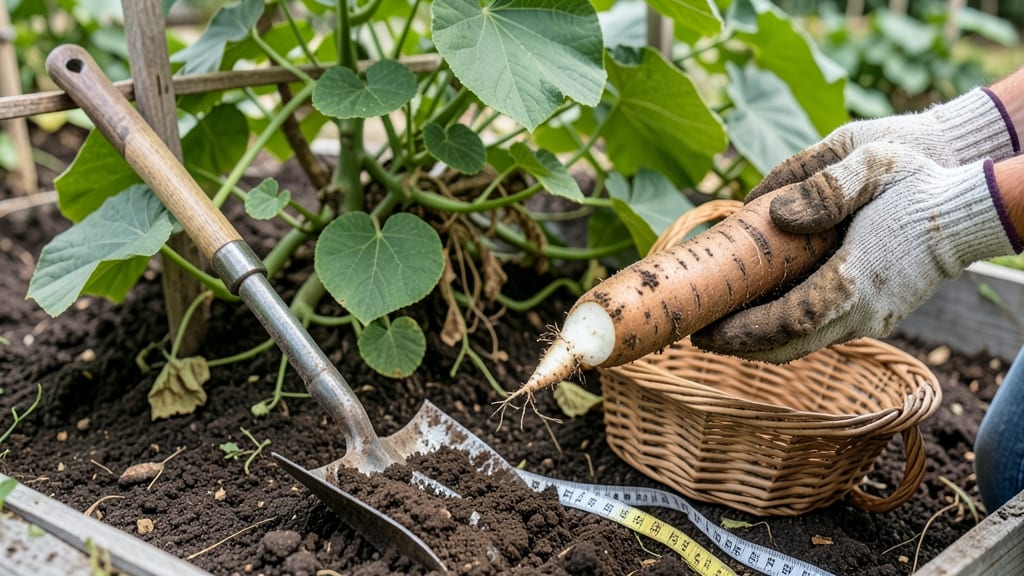
Harvesting yams at the right time ensures sweet, starchy perfection 🍠—not tough, fibrous disappointment. The key is knowing when the vines yellow, the tubers firm up, and the skin toughens just enough to resist a fingernail.
Picture this: you’ve spent months nurturing your yams, and now the stakes are high. Dig too early, and you’ll end up with small, woody tubers. Wait too long, and they’ll split or rot underground.
The difference between success and failure often comes down to three simple tactile tests—ones that don’t require fancy tools, just your hands and a little patience.
Whether you’re in a tropical zone where yams thrive year-round or a subtropical region with defined seasons, timing matters. The right moment depends on leaf color, tuber size, and soil conditions—all clues your plants give you before the harvest.
Below, I’ll walk you through how to read those signals like a pro.
You’ll also discover how to avoid common mistakes that turn perfect yams into mushy failures, plus post-harvest care tips to keep them fresh for months. Ready to dig in?
3 Tactile tests to determine yam fibrous maturity
Harvesting yams at the perfect moment transforms them from fibrous disappointment to sweet, starchy perfection. Unlike potatoes, yams don't have obvious color changes—you must rely on tactile cues to judge maturity.
These hands-on tests ensure you dig up tubers when their texture and resistance signal peak flavor and storage potential.
Yams thrive in warm climates, but even in ideal conditions, overharvesting or delaying can ruin their quality. The key lies in understanding three simple physical tests: skin toughness, root resistance, and stem drying.
Mastering these will give you the confidence to harvest at the exact right time, whether you're growing white yams, yellow yams, or purple yams.
- 1 Skin Texture Test: Press your thumbnail into the yam skin. If it resists and doesn't dent easily, the tuber is ready. Tender skin means it needs more time.
- 2 Root Resistance Test: Gently pull on a vine near the soil. If the roots break cleanly (not pulling up easily), the tubers are mature. Loose roots signal immaturity.
- 3 Stem Drying Test: Check the vine stems. If they're dry and crisp (like straw), harvest immediately. Green, pliable stems mean the yams need more time.
Start with the skin texture test—this is your first line of defense against fibrous yams. Use your thumbnail to press firmly against the tuber's skin. A mature yam will feel leathery and resistant, almost like pressing into a firm apple.
If the skin gives way or leaves a dent, wait 2-4 more weeks before testing again. This test works best on exposed tubers, so gently brush away soil to inspect.
Next, perform the root resistance test by selecting a healthy vine near the base. Grasp it firmly about 6 inches from the soil line and pull upward with steady pressure. If the vine snaps cleanly without the tuber dislodging, your yams are ready.
However, if the vine pulls up easily with the tuber still attached, the crop needs more time to mature. This test is especially critical for large yam varieties, which can take up to 12 months to reach full maturity.
The stem drying test is often the most reliable indicator, especially in dry climates where vines may yellow prematurely. Break off a small stem section and examine its texture. A mature yam vine will have brittle, papery stems that crumble easily.
If the stems remain green and flexible, delay harvesting by another 3-6 weeks. Pay close attention to the older stems near the base—they'll dry out first.
For container-grown yams, these tactile tests become even more critical since you can't rely on soil cues. Check the skin texture by gently rolling the container to expose tubers, then press with your thumbnail.
If the container feels lighter due to tuber growth, combine this with the stem drying test for confirmation. Container yams often mature 1-2 weeks faster than in-ground varieties, so monitor them closely.
Timing is everything when harvesting yams—especially in tropical climates where growing seasons blend together. If you're in USDA zones 10-12, aim to harvest between 6-9 months after planting, depending on the variety.
For cooler subtropical zones, extend the timeline to 9-12 months. Always perform all three tests before digging to avoid fibrous, underdeveloped tubers or overripe, shriveled ones.
After confirming maturity, harvest on a dry, sunny day to allow tubers to cure properly. Use a fork or spade to gently loosen soil around the base of the plant, then lift carefully to avoid damaging the yams.
Once harvested, let them air-dry for 2-3 hours before storing—this curing process enhances flavor and storage life. For long-term storage, keep yams in a cool, dark place with high humidity (60-70%).
Remember, yams are not the same as sweet potatoes—they require precise timing for optimal texture and starch content. By mastering these three tactile tests, you'll transform your yam harvest from a gamble into a reliable, flavorful success every season.
The next time you're tempted to dig up yams "just to check," resist the urge—let these simple tests guide you to perfection.
Optimal harvesting seasons for yams by climate zone
Yams thrive in warm climates, but their harvest timing varies dramatically between tropical and temperate zones. In USDA Zones 10-12, where frost is rare, yams can be harvested year-round—but peak starchy development occurs during the longest, warmest months.
Meanwhile, gardeners in subtropical zones (like Florida or Hawaii) must watch for leaf yellowing and soil temperature drops as early warnings.
For those in cooler subtropical regions (Zones 8-9), timing becomes critical. Yams planted in early spring should be harvested before the first frost, typically between late summer and early fall.
A hard freeze will kill the vines but won’t harm tubers—though waiting too long risks tuber splitting or rot in saturated soil.
🚨 Frost sensitivity is your biggest enemy. Even a light frost can damage yam foliage, but the tubers themselves remain safe underground. The key is to harvest when vines yellow and leaves wither, signaling the plant is redirecting energy to the tubers.
This usually happens 6-12 months after planting, depending on the variety.
In tropical zones, where yams grow year-round, focus on soil temperature rather than calendar months. When daytime highs dip below 75°F, the plant signals it’s time to harvest. This often coincides with the dry season, when soil moisture drops—another cue that tubers are nearing peak starch content.
For gardeners in cooler climates, prioritize early fall harvesting before the first frost. If you miss the window, yams can survive winter in the ground, but their quality declines. Always test a tuber by digging up one plant to check size and firmness before committing to a full harvest.
Pro tip: Mulch heavily in late summer to insulate tubers and extend the harvest window in marginal zones. This simple trick can add 2-3 weeks of ideal growing conditions before frost arrives—enough time to coax larger, sweeter tubers from your crop.