
How To
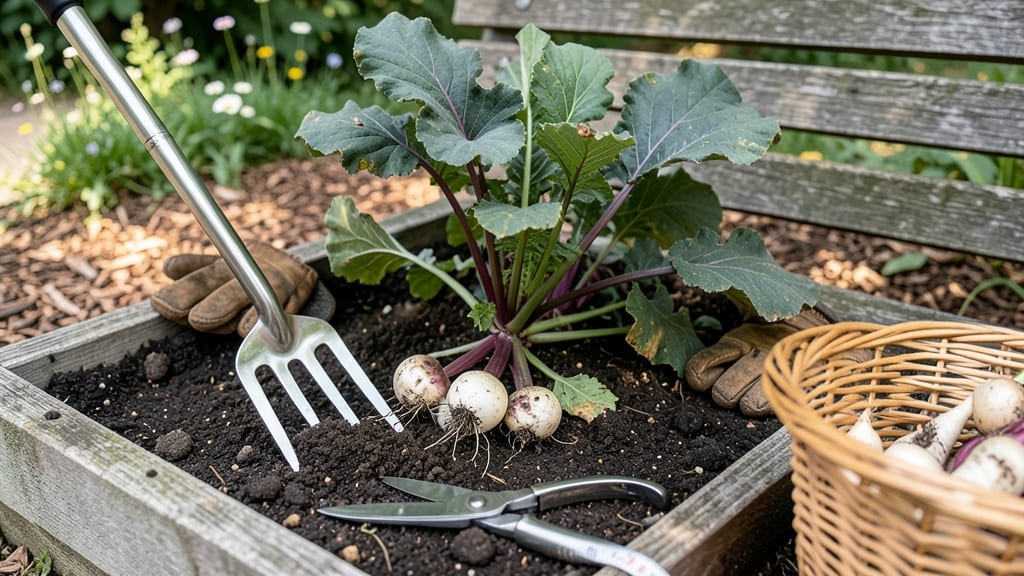
Harvest turnips when the roots reach 1-3 inches in diameter and the greens are lush, because that’s when they’re sweetest and most tender.
Picture this: you’ve been watching your 🥕 turnips grow all spring, and now the question is, how do you know it’s time? Too early, and they’re small and tough; too late, and they bolt into bitter, woody roots.
The difference between a perfect harvest and a sad one comes down to a few simple clues—like root size, leaf color, and even the time of day you pull them.
In USDA Zone 6a, spring turnips are ready to harvest between May and July, while fall varieties should be pulled before the first frost in October or November.
But don’t rely on the calendar alone—dig in when the roots feel firm but not hard, and the tops are still vibrant. Miss this window, and you’ll end up with turnips that taste more like cardboard than the crisp, sweet roots you planted for.
Below, I’ll walk you through the exact signs to watch for, how to avoid common mistakes (like harvesting too late), and even a pro tip for storing your turnips so they stay fresh for months. Trust me, your taste buds will thank you.
How to identify the perfect turnip harvest time by size and days
Harvesting turnips at the right time transforms your garden into a flavor powerhouse. The key lies in watching both the root size and days to maturity, which vary by variety.
Baby turnips like 'Tokyo Cross' reach perfection in just 30-40 days, while larger types need 50-70 days. Paying attention to these visual and temporal cues ensures you pull turnips when they're sweetest and most tender.
Start by checking the root diameter—this is your primary indicator. For baby turnips, aim for 1-2 inches across, while full-sized varieties should reach 2-3 inches. The skin should feel firm but not woody, and the turnip should pull easily from the soil with minimal resistance.
Ignoring these physical maturity signs risks turnips becoming bitter or developing tough fibers.
Here’s a quick reference for turnip maturity by variety and size:
Don’t overlook the leaf health—vibrant, deep green foliage signals a turnip ready for harvest. If leaves start yellowing or bolting (sending up a flower stalk), you’ve missed the window.
This bolting stage often happens when turnips experience warm temperatures or long daylight hours, so plan your planting schedule accordingly for your region.
For baby turnips, you can harvest the greens first when they’re about 4-6 inches tall, leaving the root to grow larger. This two-stage harvest extends your turnip season and gives you continuous harvests without sacrificing root quality.
Just be sure to leave at least one mature leaf per turnip to support root growth.
Timing your harvest also depends on seasonal conditions. In cooler climates, aim to harvest turnips before the first frost, while in warmer regions, they thrive in fall temperatures until late October.
If you’re unsure, dig up one test turnip to check its size and flavor—this simple step can save your entire crop from becoming over-mature and bitter.
Pro tip: Harvest turnips on a cool morning after watering the soil. This makes them easier to pull and preserves their crisp texture. Use a garden fork to loosen the soil around the roots if they’re stubborn, but avoid damaging the turnips themselves.
Once harvested, store them in a cool, dark place (like a root cellar) for up to 3 months.
If you wait too long, turnips develop a woody texture and sharp flavor. The skin may also crack, making them less appealing. To avoid this, stay vigilant and harvest regularly, especially for varieties with shorter maturity times.
Succession planting—sowing new seeds every 2 weeks—ensures a steady supply of fresh turnips all season long.
Remember, the sweetest turnips are those harvested at peak maturity, not oversized ones. By mastering these size and day-based cues, you’ll enjoy turnips that are tender, flavorful, and perfect for roasting, sautéing, or storing.
Signs your turnips are overripe (and how to Fix it)
Turnips can quickly go from sweet and tender to bitter and woody if left too long in the ground. The most common mistake gardeners make is waiting too long to harvest, especially when temperature fluctuations or poor soil conditions stress the plants.
Overripe turnips develop a tough, fibrous texture and lose their mild, sweet flavor, making them less enjoyable to eat.
One of the biggest red flags is when your turnips start to bolt prematurely. This happens when the plant senses warm temperatures or long daylight hours, triggering it to flower and produce seeds instead of growing edible roots.
If you notice tall flower stalks shooting up from your turnip greens, it’s a clear sign you’ve missed your harvest window.
Another telltale sign is the skin turning tough and woody. When turnips overripe, their outer layer becomes thick and difficult to cut, even with a sharp knife. The flesh inside may also turn stringy or develop a grainy texture, which is a sure sign of overmaturity.
Even the greens can give you clues—they may yellow or become bitter-tasting long before the roots do.
⚠️ Warning: Overripe Turnips Are Unusable!
If your turnips show these 3 signs, they’re past their prime:
- ✖️ Woody, thick skin (can’t cut with a knife)
- ✖️ Grainy or fibrous flesh (unpleasant texture)
- ✖️ Yellowing or bitter greens (flavor is ruined)
To prevent overripe turnips, pay attention to your planting schedule. Succession planting—sowing new seeds every 2-3 weeks—ensures a steady harvest and reduces the risk of bolting.
If you’re growing turnips in hot summer months, opt for faster-maturing varieties like ‘Tokyo Cross’, which can be ready in just 30 days.
If you’ve already ended up with overripe turnips, don’t toss them! Store them in a cool, dark place (like a root cellar) for up to 2 weeks to preserve what’s left of their flavor.
For future gardens, focus on consistent soil moisture and cool temperatures—turnips thrive in 50-65°F soil and bolt when temps rise above 70°F.
Remember, the key to sweet turnips is harvesting at the right size. Check roots when they’re 1-2 inches wide—they’ll pull easily from the soil, and the greens will still be tender.
If you wait too long, even the best storage conditions won’t save them from becoming tough and bitter.