
How To
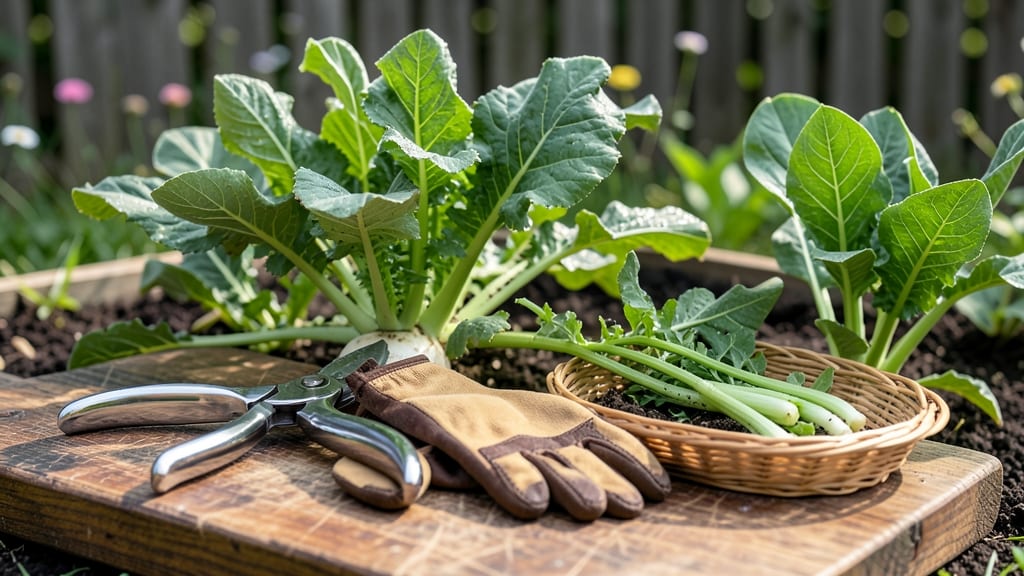
Harvest turnip greens when the outer leaves reach 4-6 inches and snap cleanly at the stem — that’s the sweet spot for peak flavor and tenderness.
Turnip greens are a nutrient-packed powerhouse 🥬, but harvesting them too early or late can ruin their flavor and tenderness. Knowing the exact moment to pick them—based on leaf color, stem snap tests, and growth stage—is the secret to maximizing your harvest's taste and texture.
Skip the guesswork with simple visual cues: look for deep green, glossy leaves and avoid woody stems. In USDA Zone 6a, timing matters even more, as cooler fall weather can speed up maturity.
Below, I’ll walk you through the leaf color shift, the stem snap test, and seasonal adjustments to ensure you never miss the perfect harvest window again.
How to identify the perfect turnip greens harvest stage by leaf color & size
Turnip greens reach their peak flavor and texture when harvested at the right stage—45-60 days after planting—based on leaf color and size. The outer leaves should be 4-6 inches long with a deep, glossy green hue, while inner leaves remain tender.
This balance ensures your greens are both flavorful and easy to cook.
I’ve found that cooler fall temperatures in USDA Zone 6a can accelerate maturity, so timing your harvest correctly is key. Watch for the color shift from light green to deep purple-red on the undersides of leaves—a telltale sign of readiness. This change signals higher sugar content and improved taste.
Overripe turnip greens develop woody stems and bitter flavors, while underripe leaves stay small and pale. The difference between these stages is subtle but critical for maximizing your harvest’s quality. Let’s break down the visual cues to help you spot the perfect moment.
🌱 Comparison Table: Overripe vs. Underripe Turnip Greens
Sunlight plays a major role in leaf color development. Turnip greens grown in full sun (6+ hours daily) develop deeper colors faster than those in partial shade. If your plants are in partial shade, expect a 1-2 week delay in maturity and a lighter green hue.
Temperature also affects timing. In spring plantings, cooler weather slows growth, while fall plantings in Zone 6a often mature quicker as nights grow shorter. I’ve noticed that fall harvests tend to have more intense purple-red tones, which some gardeners prefer for their bold flavor.
When harvesting, always cut leaves from the outer edges first, leaving the inner, younger leaves to continue growing. This method encourages regrowth and extends your harvest season by 2-3 weeks. Avoid pulling leaves, as this can damage the plant and reduce future yields.
For container growers, turnip greens mature slightly faster due to limited root space. Monitor your plants daily in late summer when growth accelerates. If leaves reach 4 inches but stems feel tough, they’re likely overripe—time to harvest before bitterness sets in.
Pro tip: Store harvested greens in a perforated plastic bag in the fridge for up to 5 days to preserve color and crispness. This simple step keeps your homegrown harvest tasting fresh, even after picking.
🌿 Now that you know what to look for, grab your shears and enjoy the harvest! The right timing makes all the difference between a mediocre and a flavor-packed turnip green feast.
The stem snap test: a pro gardener’s trick for determining harvest readiness
When your turnip greens reach the ideal size but you're unsure if they're truly ready, the stem snap test is my go-to trick. This simple method reveals whether the leaves are tender enough for harvest or still toughening up.
The test works by assessing stem flexibility—crisp, clean breaks signal peak readiness, while fibrous or rubbery stems mean wait a few more days.
Why does this matter? The texture of turnip greens changes dramatically as they mature. Harvesting too early gives you baby greens that lack depth of flavor, while waiting too long results in woody, bitter leaves that even cooking can't salvage.
The snap test cuts through the guesswork by giving you an instant read on the plant's internal readiness.
To perform the test, grasp a leaf stem firmly between your thumb and forefinger, about 2 inches from the base. Give it a firm but controlled snap.
If the stem breaks cleanly with minimal resistance, your greens are perfectly ripe. If it bends without breaking or feels spongy, they need more time.
Environmental factors can throw off your snap test results, especially in USDA Zone 6a. For example, cool fall temperatures accelerate maturity, making stems snap earlier than expected. Conversely, hot summer days can delay tenderness.
Always pair the snap test with visual cues like leaf size (4-6 inches) and color (deep green or purple) for the most reliable harvest timing.
Common mistakes include confusing crispness with overmaturity—just because a stem snaps doesn't mean the leaf is ready. Look for the clean break without any fibrous resistance. Another pitfall is testing stems too close to the base, where older, tougher growth can skew results.
Always test near the leaf attachment point for the most accurate assessment.
Once you master the snap test, you'll never second-guess your harvest timing again. This method works for other leafy greens too, like kale or collards, making it a universal pro gardener's tool. Start testing your turnip greens when they reach 3-4 inches, and you'll consistently harvest at peak tenderness.