
Vegetables
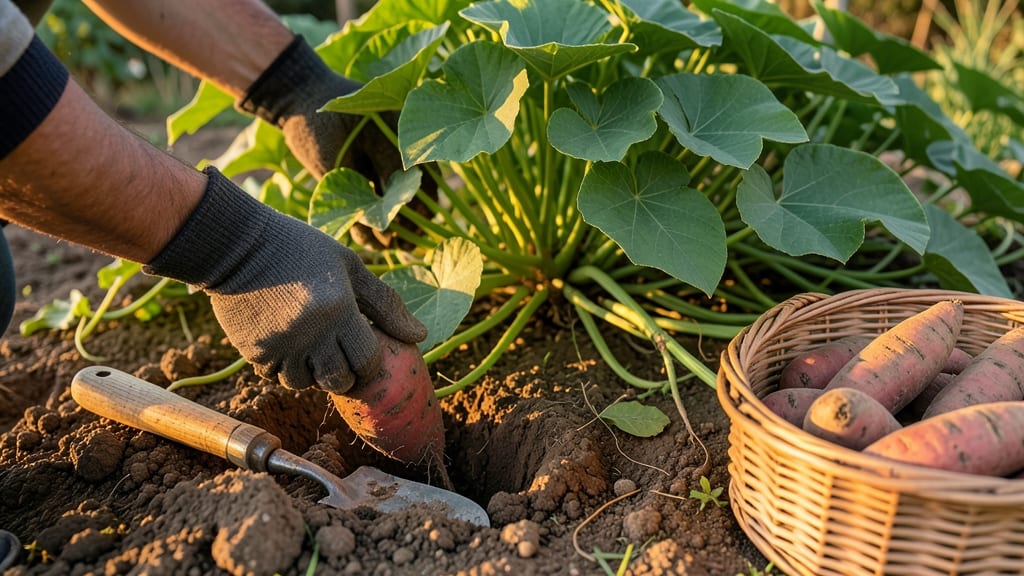
Harvesting sweet potatoes in Florida at the right time ensures tender, flavorful tubers instead of tough, fibrous ones 🍠 — and the window is narrower than you might think.
Timing your sweet potato harvest in Florida’s humid climate can mean the difference between sweet, starchy tubers and bitter, fibrous ones—so knowing when to dig is everything.
Most Florida gardeners plant slips in spring and count 90 to 140 days until harvest, but the real cue isn’t the calendar—it’s the vines. When those long, leafy runners turn yellow and start dying back, that’s your signal to grab a fork.
Below, I’ll walk you through the exact signs to watch for, how Florida’s frost-free growing season changes the game, and why waiting too long turns your prize potatoes into woody disappointments.
Best time to harvest sweet potatoes in Florida’s climate
Florida’s frost-free growing season gives sweet potatoes a long, uninterrupted window to mature, but timing your harvest correctly is crucial. Unlike northern states where frost signals harvest time, Florida gardeners must rely on plant maturity and environmental cues instead.
Waiting too long turns sweet tubers woody and bitter, while harvesting too early yields small, underdeveloped potatoes.
In Florida, sweet potatoes typically reach harvest readiness between 90 and 120 days after planting, aligning with late summer to early fall. This timeline varies slightly based on your location—North Florida’s cooler temperatures may extend maturity by 10-14 days, while South Florida’s heat can speed up the process.
Understanding these regional differences ensures you harvest at peak sweetness and texture.
Key temperature triggers also play a role: sweet potatoes prefer daytime highs between 75°F and 85°F for optimal growth. When temperatures dip below 70°F at night or climb above 90°F consistently, growth slows, signaling it’s time to check for readiness. Florida’s unpredictable summer heatwaves can disrupt this balance, so monitor your plants closely.
Another critical factor is Florida’s humidity and rainfall patterns. Excessive moisture before harvest can lead to rot or poor skin formation, while drought stress can stunt tuber development. Aim to harvest during dry spells in late summer or early fall to avoid these issues.
This often means scheduling your harvest for September to October, when humidity typically drops slightly.
| Factor | North Florida | South Florida |
|---|---|---|
| Harvest Window | 90-120 days (Oct-Nov) | 80-110 days (Sept-Oct) |
| Key Cue | Vines yellow + 2-3 night temps <70°F | Vines die back + soil temps drop |
| Temperature Alert | First frost risk (rare) | Consistent 90°F+ days slow growth |
| Soil Prep | Loosen 12" deep before harvest | Mulch to prevent soil compaction |
| Storage Challenge | Cooler temps extend shelf life | High humidity requires ventilation |
One common mistake Florida gardeners make is overestimating the plant’s ability to handle heat stress. When temperatures exceed 95°F for extended periods, sweet potato vines may appear healthy while tubers stop developing or become woody.
This is why monitoring vine health is just as important as tracking days after planting. If vines look stressed but days-to-maturity haven’t passed, probe the soil gently to check tuber size.
Regional variations between North and South Florida create distinct harvest windows. In North Florida (USDA Zones 8a-9a), cooler nights in early fall trigger vine dieback, often aligning with October harvests.
Meanwhile, South Florida (Zones 10a-11) gardeners may start seeing readiness as early as late August, especially in midsummer-planted crops. These differences stem from Florida’s 300-mile north-south span, which creates microclimates with varying temperature profiles.
Florida’s unique climate also means hurricane season can disrupt harvest timing. If a storm is forecasted during your target harvest window, prioritize partial harvesting to salvage mature tubers while protecting remaining plants.
After the storm, wait 7-10 days before resuming harvest checks, as soil compaction and flooding can delay tuber development. Always prioritize dry soil conditions when digging to prevent rot.
Waiting too long to harvest sweet potatoes in Florida leads to three major problems: woodiness, bitterness, and skin toughening. These issues occur because the plant redirects energy from tuber development to seed production as it matures.
The result? Tubers that are hard to peel and lack the creamy texture Florida gardeners love. For the best flavor and texture, aim to harvest when 70-80% of vines have died back naturally.
To maximize your harvest, I recommend planting in early spring (March-April) for a fall harvest, which aligns with Florida’s natural growing rhythms. This timing ensures you avoid peak summer heat while still benefiting from the long growing season.
For gardeners in South Florida, a June planting can also work, but requires extra shade cloth during the hottest months to prevent stress.
Remember, Florida’s humid climate means sweet potatoes need well-draining soil to prevent rot. If your soil feels compacted or stays soggy after rain, consider raising beds or amending with compost and sand.
Proper soil preparation not only improves tuber quality but also makes harvest easier by creating a loose, crumbly texture that resists damage when digging.
How to tell when sweet potatoes are ready to harvest
Florida’s warm climate gives sweet potatoes a longer growing season than northern states, but that doesn’t mean you can ignore the natural harvest signals. The most reliable cue is vine dieback—when those sprawling, leafy vines turn yellow and start collapsing.
This typically happens 90 to 120 days after planting, but don’t rely solely on the calendar. Humidity and erratic summer rains can delay or speed up this process, so always check the plants themselves.
Start by examining the top growth. Healthy sweet potato vines are lush and green, but when they begin to yellow and wither, it’s time to investigate further.
In Florida’s heat, you might also notice the leaves curling or drying out—this is your plant’s way of telling you it’s redirecting energy to the tubers below. The key is to act before the vines die completely, as overripe tubers lose their sweetness and become tough.
Florida-Specific Harvest Warning
Harvesting too early (before 90 days) means small, underdeveloped tubers, while waiting too long (past 140 days) turns them woody and bitter. Florida’s unpredictable summer storms can also stress plants—if vines yellow suddenly due to heat or drought, check soil moisture first. Never harvest after a hard freeze (rare in FL), as tubers may rot.
Next, test the tuber readiness by gently probing the soil with your fingers or a trowel. Sweet potatoes are ready when they’re 3 to 6 inches below the surface and feel firm but slightly soft when pressed (like a ripe avocado).
If you poke through and find tubers that are still small and hard, wait another week. Pro tip: In Florida’s sandy soils, tubers often form shallower, so dig carefully to avoid damaging them.
Pay attention to the skin color and texture of exposed tubers. Ready-to-harvest sweet potatoes have tough, thick skin that resists punctures. If you nick one and see orange flesh, it’s a good sign!
In Florida’s heat, some varieties (like Beauregard) may develop a reddish hue—this is normal and doesn’t affect taste. Avoid harvesting if the skin is still tender or the flesh looks pale, as these indicate the tubers aren’t fully matured.
One common mistake Florida gardeners make is harvesting after a heavy rain. Wet soil makes digging difficult and can damage tubers. Instead, wait 2–3 days after rainfall to let the soil firm up slightly.
Also, avoid harvesting during midday heat—tubers bruise easily when hot. Early morning or late afternoon is ideal, especially in Florida’s sweltering summers when soil temperatures can exceed 90°F.
Finally, adjust your timing based on Florida’s regional microclimates. North Florida’s slightly cooler nights may slow vine dieback, while South Florida’s humidity can accelerate it. If you’re in a high-elevation area (like the Panhandle), tubers may mature faster.
Always keep an eye on your plants and harvest in batches if some vines die back earlier than others—this ensures you get the best flavor and texture from every tuber.