
How To
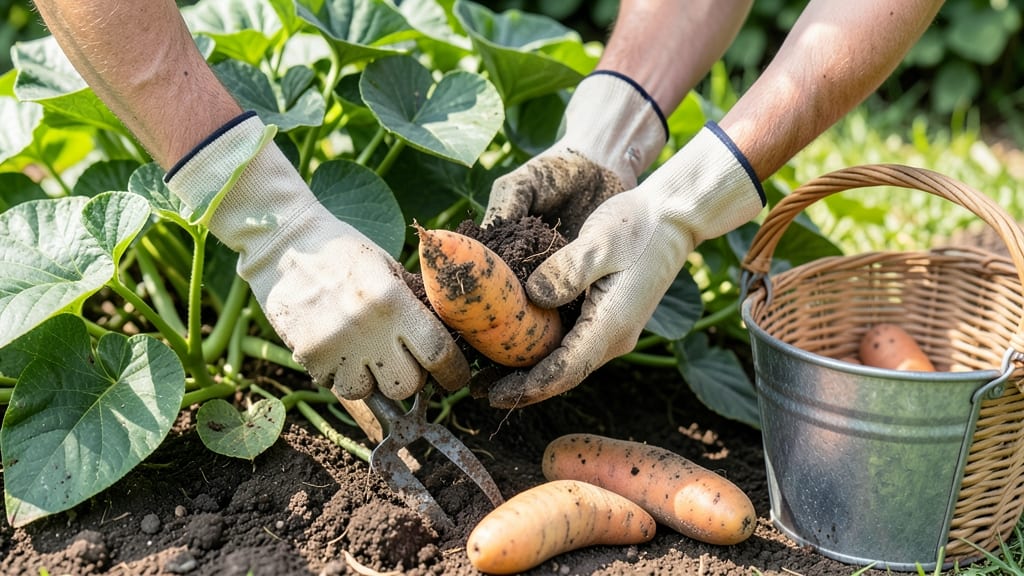
Harvesting sweet potatoes at the right time means the difference between a sweet, tender tuber and a woody, flavorless one 🍠 — and the window for perfect timing is narrower than you might think.
Sweet potatoes left in the ground too long turn woody and lose their sweet flavor—but harvest them too early, and you’ll miss out on maximum yield and taste. Timing is everything, and knowing when to dig is the key to perfect harvests every season.
Most varieties take between 90 and 140 days to reach peak ripeness, but factors like soil type, climate, and even your local growing season can shift that timeline.
The good news? There are clear signs to watch for—like leaf yellowing and skin toughening—that tell you exactly when to pull them from the earth.
In this guide, I’ll walk you through how to spot those readiness cues, the best practices for harvesting, and even what happens if you get the timing wrong. By the end, you’ll know exactly when to dig for the best flavor and storage life.
How to identify when sweet potatoes are ready for harvest
Harvesting sweet potatoes at the right time ensures maximum flavor and storage potential. Most varieties mature between 90 to 140 days after planting, but visual cues are more reliable than days alone.
The key is watching for leaf yellowing and skin toughening, which signal the tubers have reached peak sweetness and size.
First-time growers often wonder why timing matters so much. Sweet potatoes left in the ground too long become woody and tough, while harvesting too early results in small, underdeveloped tubers. The perfect window occurs when the vines start dying back naturally, usually 2-3 weeks before frost in most regions.
| Harvest Cue | Description | Days After Planting |
|---|---|---|
| Leaf Color Change | Leaves turn yellow and begin wilting | 90-120 |
| Skin Toughness | Skin resists gentle pressure (no punctures) | 100-130 |
| Vine Dieback | Vines dry out and collapse naturally | 110-140 |
| Tuber Size | Tubers reach 2-3 inches in diameter | 100-130 |
The first visual clue is leaf yellowing, which starts at the edges and moves inward. This happens because the plant redirects energy to the tubers. If your region experiences early frosts, aim to harvest 2 weeks before the first frost date to avoid damage.
In warmer climates, you can wait until the vines fully die back.
Next, check the skin toughness by gently pressing a finger against a tuber. If the skin doesn’t puncture easily, it’s ready. Early-season varieties may mature faster, while heirlooms like 'Georgia Jet' or 'Beauregard' take longer. Always dig up a few test tubers to confirm readiness before full harvest.
Regional adjustments are crucial. In USDA Zones 6-8, harvest typically occurs between mid-September and October. Northern growers should prioritize leaf yellowing, while southern gardeners can wait for full vine dieback. Drought stress can also trigger premature leaf drop, so ensure consistent moisture until harvest.
One common mistake is harvesting based solely on days after planting. Instead, combine visual cues with tuber size. Dig near the plant edges first, where tubers often form.
If most are 2-3 inches wide with firm skin, it’s time to harvest. Smaller tubers (<1 inch) will grow larger if left longer, but flavor peaks at this size.
For extended storage, harvest when skin is fully toughened but before hard frosts. Cure harvested sweet potatoes in a warm (80-85°F), humid (80-90%) environment for 5-10 days to develop sweetness. Avoid harvesting after frost, as cold temperatures turn tubers bitter and reduce storage life.
Pro tip: Mark your planting date and track vine health weekly. Use a gardening journal to note leaf color changes and skin toughness. Over time, you’ll predict harvest windows with confidence, even for new varieties. Regional growing guides can also provide local frost date benchmarks.
Remember, sweet potatoes are not ready if leaves remain green and healthy or if skin punctures easily. These signs indicate tubers need more time to mature. By mastering these cues, you’ll enjoy sweeter, higher-yield harvests every season. 🍠
Best practices for harvesting sweet potatoes at peak ripeness
Now that you’ve spotted the perfect harvest cues, it’s time to dig up your sweet potatoes with confidence. The ideal weather for harvesting is a dry, sunny day with temperatures between 60-75°F.
Rainy conditions can make the soil too wet, increasing the risk of bruising tubers during harvest. Wait at least 24 hours after rain to let the soil dry out slightly.
Use a fork or garden spade to gently loosen the soil around the plant’s edges. Avoid stabbing directly into tubers, as this can cause punctures. Work your way inward, lifting the entire plant and its root system carefully.
Sweet potatoes form along the roots, so be extra cautious near the base of the vines where most tubers develop.
- 1. Choose a dry day (60-75°F) to harvest after leaves yellow and die back.
- 2. Loosen soil with a fork 6-8 inches deep around plant edges.
- 3. Gently lift entire plant, shaking off excess soil to reveal tubers.
- 4. Brush off dirt with hands or a soft brush—avoid water washing.
- 5. Inspect for damage and discard any punctured or rotting tubers immediately.
- 6. Cure immediately in warm (80-85°F), humid (80-90%) conditions for 5-10 days.
After lifting, shake off excess soil to reveal the tubers. Never use water to clean them—this removes the protective skin layer and shortens storage life. Instead, use your hands or a soft brush to gently remove dirt.
Inspect each tuber for cuts or bruises; discard any damaged ones immediately to prevent rot from spreading to healthy tubers.
For long-term storage, curing is non-negotiable. Place whole, undamaged sweet potatoes in a warm (80-85°F), humid (80-90%) environment for 5-10 days. A well-ventilated basement, garage, or even a cardboard box with a heat lamp works.
This process converts starches to sugars, enhancing flavor and extending storage life to 4-6 months when kept at 55-60°F and 75-85% humidity.
Store cured sweet potatoes in a cool, dark place with good airflow, like a root cellar or pantry. Avoid refrigeration, as cold temperatures turn tubers bitter. Check stored sweet potatoes monthly for soft spots or mold.
If you notice any issues, separate the affected tubers immediately to protect the rest of your harvest.
Pro tip: Label your storage containers with the harvest date to track freshness. Sweet potatoes stored properly will keep their sweet flavor and texture for months, making them a garden staple for fall and winter meals.
With these practices, you’ll enjoy homegrown sweet potatoes at their peak all season long! 🍠