
Vegetables
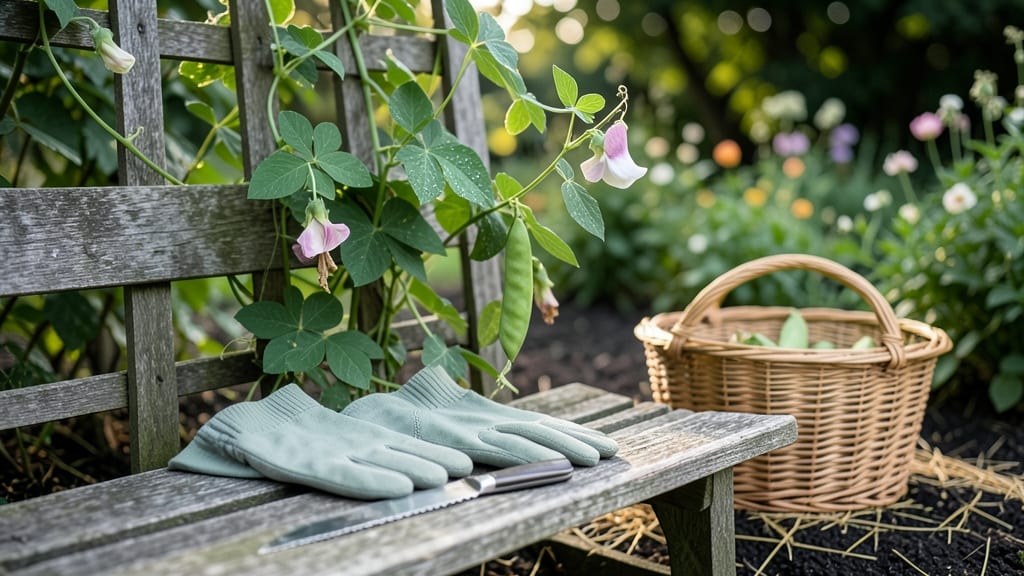
Harvest sweet peas when pods feel firm yet yield slightly at touch — that’s the sweet spot between tender and tough.
Sweet peas aren’t just beautiful—they’re delicious when harvested at the perfect moment, and timing can make the difference between tender, flavorful pods and tough, bitter ones.
If you’ve ever picked a pea only to find it shriveled or overly fibrous, you know how quickly things go wrong. The good news? With the right cues—like pod size, color, and that signature "give"—you can nail the harvest every time.
Below, I’ll walk you through the exact visual and tactile clues to look for, regional timing tips, and how to store your harvest for maximum freshness. Let’s make sure your garden yields the best sweet peas possible!
How to tell when sweet peas are ready to harvest
Sweet peas reach peak flavor when harvested at the right moment—typically 75 days after planting—but timing isn’t just about days. The pods must feel firm yet yield slightly when gently squeezed, a tactile cue that signals perfect ripeness.
Overlooking this can turn tender pods into tough, fibrous ones that lose their delicate sweetness.
Start by examining the pod size and color. Ideal pods are about 2-3 inches long and transition from green to a slightly yellowish hue. If pods remain small or stay bright green, they’re not ready yet. Conversely, pods that turn dull or hard are past their prime.
Here’s a quick reference to help you identify the perfect harvest moment:
| Cue | Description | Action |
|---|---|---|
| Pod Size | 2-3 inches long | Harvest now |
| Pod Color | Green to light yellow | Harvest now |
| Firmness | Firm but yields slightly | Harvest now |
| Seed Visibility | Seeds visible but not hard | Harvest now |
| Pod Texture | Smooth, not wrinkled | Harvest now |
| Pod Size (Too Small) | Under 2 inches | Wait 2-3 days |
| Pod Color (Dull) | Dull or brownish | Too late |
To test readiness, gently squeeze a pod between your thumb and forefinger. It should yield slightly but not squish. If it feels rock-hard, it’s overripe. If it’s mushy, it’s past its prime. This "yield slightly" test is your best friend for consistent harvests.
Harvest in the morning after dew dries to ensure pods are crisp. Use clean, sharp scissors or pruners to snip stems about 1 inch above the pod. This encourages more blooms and prevents disease from open wounds.
Regional climates can shift timing slightly. In cooler zones (USDA 3-5), pods may take 5-10 extra days to mature, while warmer zones (USDA 7-9) can yield faster. Always prioritize the pod’s tactile cues over calendar dates.
If you miss the window, don’t despair! Sweet peas can be dried for later use, but fresh pods are always the star. Store harvested pods in the fridge for up to 5 days or freeze them for long-term storage to preserve their delicate flavor.
Pro tip: Harvest every 2-3 days during peak season to encourage continuous blooming. Overlooking this can lead to fewer flowers and smaller pods, reducing your total yield.
Sweet peas are a rewarding crop when you master the art of timing. Pay attention to those visual and tactile cues, and you’ll enjoy a bounty of tender, flavorful pods all season long. 🌸
Sweet pea harvesting mistakes to avoid for maximum yield
Harvesting sweet peas at the wrong time can turn your garden's bounty into tough, flavorless pods. Many gardeners make the same mistakes—like picking too early or ignoring plant signals—that reduce both yield and quality. Understanding these common errors will help you maintain a productive sweet pea vine all season long.
One of the biggest mistakes is harvesting too early, when pods are still small and underdeveloped. This leads to stunted growth and fewer flowers, cutting your total harvest by up to 30%. On the flip side, waiting too long results in hard, fibrous pods that lose their sweet flavor.
Finding that sweet spot between 75 and 90 days after planting is key for tender, flavorful pods.
Sweet peas lose flavor and texture quickly once pods mature. If you wait until pods turn hard and dry, their sugar content drops dramatically. Always harvest when pods are plump but still slightly soft—this ensures maximum sweetness and tenderness.
🌱 Pro Tip: Check pods daily during peak harvest season (June-August). Overripe pods won't recover, so act fast!
Another common error is over-picking from the same plant. If you harvest too aggressively, your sweet pea vine may struggle to produce new flowers and pods. Always leave at least 3-5 flowers per stem to ensure continuous blooming.
This simple rule keeps your plants healthy and extends your harvest window by 2-3 weeks.
Ignoring plant health is another mistake that reduces yield. Yellowing leaves or wilting vines signal stress—whether from underwatering, overwatering, or nutrient deficiencies. Sweet peas need consistent moisture (about 1 inch per week) and balanced fertilizer (5-10-10 NPK) to thrive.
A quick soil check can reveal if your plants need more phosphorus for flowering or nitrogen for leafy growth.
After harvesting, don't forget to support your plants for a second flush of blooms. Prune spent flowers regularly to encourage new growth, and add a light mulch to retain moisture.
With proper care, many sweet pea varieties will reward you with a second harvest 4-6 weeks after the first. This technique can nearly double your total yield if done correctly.
Finally, avoid harvesting in extreme heat or humidity. Pods picked during these conditions may spoil faster. Early morning is the best time to harvest, as pods are cool and firm.
Store them in a paper bag in the fridge for up to 5 days to preserve freshness, or dry them for long-term storage.