
How To
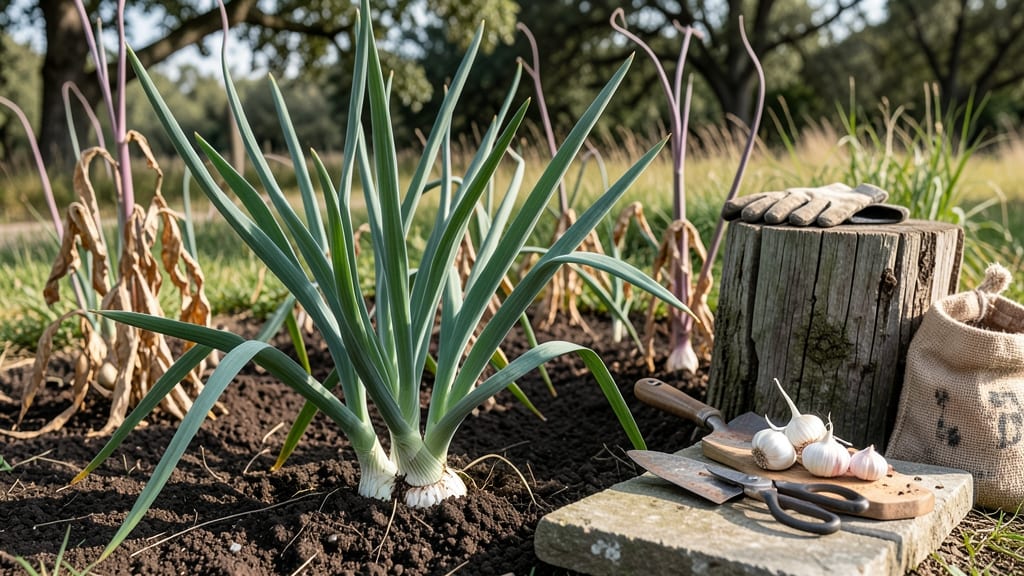
Harvesting garlic in Zone 8 when the soil temperature hits 50–60°F is the game-changer between plump, flavorful bulbs and sad, shriveled disappointments.
You’ve spent months nurturing your 🧄 crop, only to wonder: Did I wait too long? The answer lies in a mix of soil science and simple visual cues—like when those lower leaves start browning but the top stays green. Miss this window, and your harvest turns to mush.
In Zone 8, timing shifts slightly between coastal and inland areas, but the key is consistency: watch for 60°F soil, check bulb size, and avoid digging before the lower stems dry. Get it right, and you’ll store those bulbs all winter.
Below, I’ll walk you through the exact triggers—soil temps, leaf changes, and bulb tests—to pull garlic at its peak, plus how to cure it for long-term storage without mold.
Soil temperature triggers for harvesting garlic in Zone 8
Harvesting garlic at the right time in Zone 8 means paying close attention to soil temperature—not just air temperature. When soil cools to 50–60°F, your garlic bulbs signal they’re ready to pull.
This temperature trigger is your golden ticket to plump, flavorful harvests, especially since Zone 8’s climate varies wildly from coastal (milder winters) to inland (hotter summers).
Coastal areas like San Francisco may see harvest windows shift 2–3 weeks later than inland spots like Phoenix due to ocean breezes moderating soil temps. Ignore this cue, and you risk overripe bulbs that split or rot. The key? Monitor soil 1–2 inches deep—where the action happens.
| Zone 8 Region | Soil Temp Trigger | Harvest Window | Key Cue |
|---|---|---|---|
| Coastal (e.g., San Diego) | 50–55°F | Late June–early July | Lower leaves brown, upper leaves still green |
| Inland (e.g., Sacramento) | 55–60°F | Mid-June–late June | Bulb neck thickens to ½-inch |
| Desert (e.g., Tucson) | 50–58°F | Early June–mid-June | Papery skin forms on bulbs |
| Humid (e.g., New Orleans) | 52–57°F | Late June–early July | Foliage yellows 50% |
To check soil temperature accurately, use a soil thermometer in the morning (before sun heats the ground). If your reading hovers around 50°F for 3+ days, grab your fork—it’s time.
Pro tip: Hardneck varieties (like Rocha) often mature 1–2 weeks earlier than softnecks (Silverskin), so adjust your watch accordingly.
Zone 8’s microclimates can throw off timing, so don’t rely solely on calendar dates. For example, shady garden spots stay cooler longer, delaying harvest by 10–14 days. Conversely, south-facing beds with black plastic mulch may hit the 50°F mark 1–2 weeks sooner.
Always dig a test bulb if unsure—cut it open to check for fully formed cloves.
If you’re in a transition zone (e.g., Zone 7b/8a), err on the side of earlier harvests. Warmer springs can push soil temps up faster, and garlic bulbs stop growing once they hit maturity. Miss the window, and you’ll end up with shriveled, pithy bulbs that store poorly.
Think of soil temp as your garlic’s internal clock—when it ticks down to 50–60°F, the bulbs know it’s time to rest.
For coastal gardeners, morning fog can delay soil cooling, so monitor temps afternoon when humidity drops. Inland growers should watch for heatwaves—if soil spikes above 65°F, harvest immediately to avoid bolt risk (premature flowering). Always prioritize bulb firmness over calendar dates—your fingers are your best tool.
Once you’ve nailed the soil temp trigger, act fast. Harvest on a dry, sunny day to speed curing. Use a broadfork to loosen soil gently, then pull bulbs by the stems—never yank or you’ll damage the papery skins.
Shake off excess dirt, but leave roots attached for now. That’s your first step to long-term storage success.
Remember: Zone 8’s humidity can turn a perfect harvest sour if you skip curing. After pulling, lay bulbs in a shady, well-ventilated spot (like a garage or porch) for 2–3 weeks to dry.
This isn’t just about timing—it’s about respecting the plant’s natural rhythm. When soil whispers 50–60°F, your garlic is ready to listen.
Visual and physical signs your garlic is ready to harvest in Zone 8
Knowing exactly when to harvest your garlic in Zone 8 can feel like reading tea leaves—until you learn the visual cues that scream "dig me now!" The most reliable signals focus on the lower leaves and the bulb development.
Unlike cooler zones, Zone 8’s longer growing season means you’ll need to watch for these specific maturity signs to avoid harvesting too late and risking bulb rot.
First, pay attention to the bottom third of your garlic leaves. When they turn a straw-colored brown and begin drying out, that’s your first clue.
This browning typically starts around late June to early July in Zone 8, but don’t rely solely on the calendar—your plants will tell you when they’re ready. The upper leaves should still look green and healthy, proving the bulb below is maturing properly.
🌱 5 Key Signs Your Garlic Is Harvest-Ready
- 🟡 1. Bottom leaves turn straw-brown and crispy (like dry paper)
- 📏 2. Bulb neck (stem) reaches ½-inch diameter at base
- ✅ 3. Skin feels tight and papery when gently squeezed
- 🌾 4. Upper leaves remain green and upright (not wilting)
- 🤏 5. Bulbs are firm and well-rounded when dug (not soft or loose)
To test for doneness without digging prematurely, gently pull back the soil around one plant’s base. If you see well-formed bulbs with tight papery skins, it’s time to harvest. Pro tip: Use a small hand fork to loosen the soil first—this protects the bulbs from damage.
If the bulbs feel soft or loose when handled, wait another 1–2 weeks for full maturity.
One common mistake in Zone 8 is waiting until the entire plant wilts. By then, the bulbs may have split or sprouted, ruining your harvest.
Instead, aim to harvest when about 50–60% of the lower leaves have browned. This timing ensures maximum flavor and storage life while avoiding over-maturity.
After harvest, let the bulbs cure in a dry, shaded spot for 2–3 weeks to develop their full flavor. In Zone 8’s humidity, this curing step is critical to prevent mold.
Once cured, store your garlic in a cool, dark place with good airflow—like a mesh bag or braid—to keep it fresh for months.
Remember, every garlic variety matures slightly differently, so always check your specific type’s days to maturity. For example, hardneck varieties often mature faster than softneck types. By mastering these visual cues, you’ll transform harvest guesswork into a reliable, flavor-packed routine every year. 🌱