
How To
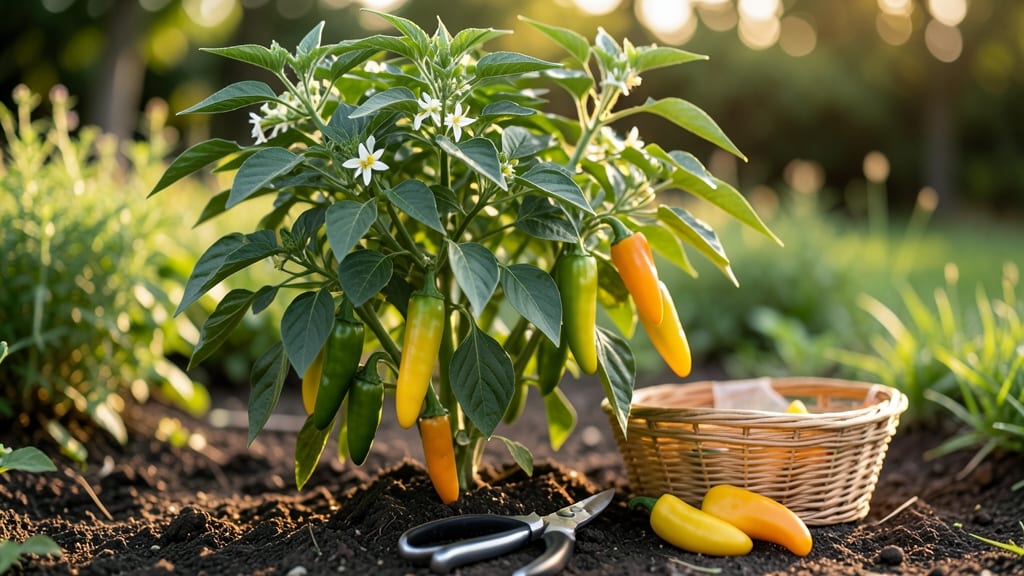
Harvesting sweet banana peppers at the right time turns your garden into a crunchy, sweet snack factory—but timing is everything. These peppers start green and shift to vibrant yellow or orange 🌶️, signaling peak flavor when firm and glossy.
Picture this: you’ve nurtured your plants all season, and now the question is, when exactly should you pick them? Too early, and you’ll miss that mild, tangy sweetness; too late, and they turn rubbery or bitter. The color shift alone isn’t enough—size and texture matter just as much.
Most gardeners wait until peppers reach 2-4 inches long, but climate plays a role. In hotter zones like 6a, they ripen faster, while cooler areas may need extra weeks. I’ll show you how to spot the perfect moment—no guesswork, just flavor-packed peppers.
Ready to master the harvest? You’ll learn the color cues, size secrets, and common mistakes that ruin the taste. By the end, you’ll know exactly when to snip for the sweetest, crispest peppers every time.
Banana pepper color stages: how to spot the perfect harvest time
Sweet banana peppers transform from bright green to sunshine yellow or golden orange as they ripen, signaling their peak flavor window. Understanding these color progression stages helps you harvest at the perfect moment—when sweetness peaks and heat levels remain mild.
Unlike hotter peppers, sweet banana varieties stay crisp and juicy when picked at the right color stage.
Don't assume all sweet banana peppers follow the same color path—some stay greenish-yellow while others deepen to amber or red-orange. The color shift directly correlates with sugar development, so watching for these visual cues ensures you don't miss the sweetest harvest.
Even a day or two past perfect timing can turn your peppers mealy or bitter.
| Color Stage | Size Range | Firmness | Flavor Profile | Harvest Readiness |
|---|---|---|---|---|
| Bright Green | 1-2 inches | Very firm | Grassy, underdeveloped | Not ready |
| Green-Yellow | 2-3 inches | Firm | Mild, developing sweetness | Early harvest window |
| Sunshine Yellow | td style="padding: 8px; border: 1px solid #74d4cb;">3-4 inchesFirm, glossy | Peak sweetness, mild tang | Perfect harvest | |
| Golden Orange | 3-5 inches | Slightly softer | Sweeter but slightly mealy | Still good, but past prime |
| Deep Red | 4-6 inches | Soft, wrinkled | Bitter, overripe | Avoid harvesting |
The sunshine yellow stage is your sweet spot for harvesting—this is when sugar content peaks while maintaining that crisp texture we all love. At this point, your peppers should measure 3-4 inches long and have a glossy, firm skin.
If you're unsure, gently squeeze the pepper—it should spring back immediately, not feel mushy.
For non-green varieties, like the yellow banana pepper or orange banana pepper, the same rules apply, but focus on color consistency rather than green-to-yellow shifts. A uniform golden hue across the entire pepper means it's ready, while patchy coloring suggests it needs more time.
These varieties often ripen faster than green types, so check them every 2-3 days during peak season.
Climate plays a surprising role in color development. In hotter regions, peppers may ripen faster and deeper into red, while cooler climates can slow the process, keeping them yellow-green longer.
If your peppers aren't changing color quickly enough, ensure they're getting full sun exposure (at least 6-8 hours daily) and that your soil has adequate potassium levels—this nutrient boosts color development.
One pro tip for gardeners: the shade of yellow matters! A pale yellow pepper isn't as sweet as a deep golden one. The deeper the color, the more carotenoids (natural pigments linked to sweetness) have developed.
If you're growing yellow banana peppers, aim for that buttery hue—it's your cue to pick!
Overripe peppers turn dull and wrinkled, losing their crunch and sweetness. If you see red streaks or soft spots, it's too late—they'll taste bitter and mealy.
But don't stress if you miss the perfect window! These peppers can still be used for pickling or cooking, though their texture and flavor won't be as vibrant.
To extend your harvest
Size matters: ideal banana pepper length by variety for maximum flavor
Not all sweet banana peppers reach the same size at peak flavor, and picking too early or late changes everything.
The standard sweet banana pepper typically hits its sweetest spot at 3-4 inches long, but varieties like Yellow Banana or Orange Banana can stretch to 5-6 inches while maintaining their mild, tangy profile. Size isn’t just about length—it’s also about thickness and firmness.
For example, Sweet Yellow Wax peppers often peak at 3 inches with a crisp texture, while Orange Banana varieties may need an extra inch to develop their signature sweetness. If you’re growing for pickling, harvest slightly smaller (2-3 inches) to preserve their crunch.
For fresh eating, wait until they’re fully sized to maximize flavor intensity.
Your growing conditions play a big role too. In hotter climates (Zones 8-10), peppers ripen faster and may reach ideal size in just 60-70 days. In cooler zones (Zones 6-7), they can take 80-90 days to mature.
I’ve found that shorter days slow down ripening, so adjust your harvest window accordingly.
| Variety | Ideal Length | Best For | Harvest Time |
|---|---|---|---|
| Sweet Yellow Wax | 3 inches | Fresh eating | 60-70 days |
| Standard Sweet Banana | 3-4 inches | Pickling/fresh | 70-80 days |
| Orange Banana | 4-5 inches | Fresh eating | 75-85 days |
| Yellow Banana | 5-6 inches | Pickling/grilling | 80-90 days |
If your peppers are too small but fully colored, they’re likely not yet ripe enough. Wait another 5-7 days—their flavor will deepen as they grow. Conversely, if they’re oversized (6+ inches), they may become mealy or bitter.
I’ve learned the hard way that harvesting at the right size prevents wasted peppers and ensures consistent flavor.
Pro tip: Gently squeeze the pepper—it should feel firm, not mushy. If it’s too soft, it’s overripe; if it’s too hard, it’s underripe. The perfect pepper has a slight give when pressed, like a ripe avocado. This texture trick works for all varieties and climates.
Don’t forget that heat levels can shift with size. Smaller peppers are often milder, while larger ones develop a subtle spice as they mature. If you prefer mild sweetness, harvest on the smaller side.
For a balanced tang, let them grow a bit longer. Your taste buds—and your garden—will thank you!