
Picking
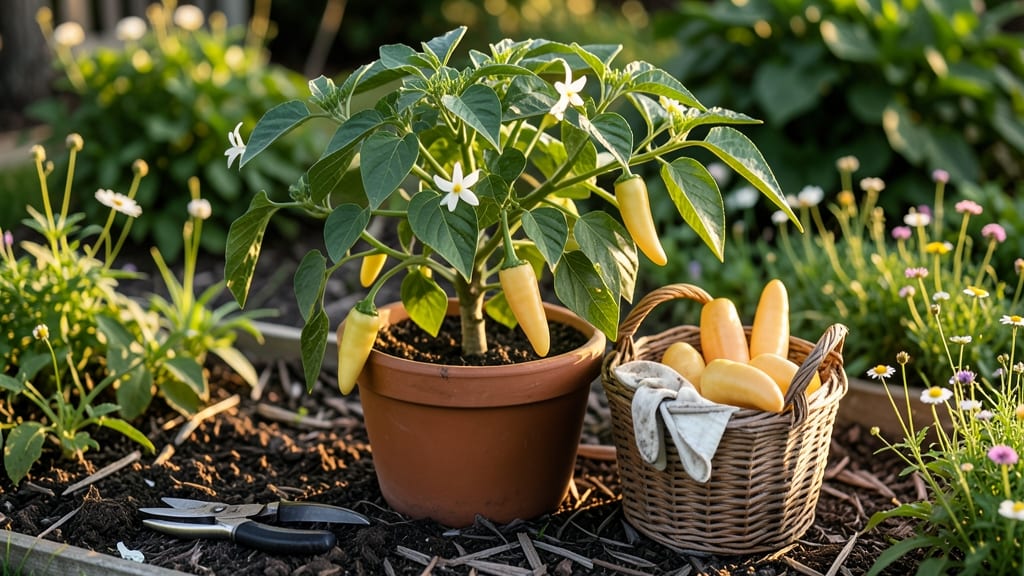
Harvesting banana peppers at the right time means the difference between sweet, crisp 🌶️ pods and bitter, overripe ones.
Picture this: You’ve nurtured your plants all season, and now the moment of truth arrives. The skin turns golden-yellow, the pods feel firm, and you’re itching to pick—but wait too long, and you’ll miss the peak flavor.
Timing is everything, and knowing the exact signs to watch for will ensure your harvest is packed with the best taste and texture.
Most banana peppers reach harvest-ready size in 60 to 90 days after transplanting, but climate and growing conditions play a big role. From July to October, these vibrant peppers transform from green to yellow, orange, or even red, signaling they’re ready to be picked.
Understanding these cues will help you maximize your yield and avoid common mistakes that lead to wasted effort.
In this guide, I’ll walk you through how to identify the perfect harvest time by color, texture, and size, plus tips for storing your peppers so they stay fresh longer.
Whether you’re a seasoned gardener or just starting out, these insights will help you enjoy a bountiful harvest all season long.


How to identify the perfect banana pepper harvest time by color and texture
Banana peppers reach their peak flavor when harvested at the right moment—typically when their skin turns a vibrant golden-yellow and the pods feel firm to the touch. This sweet spot ensures crisp texture and balanced flavor, but timing is everything.
Overripe peppers lose their snap and develop a bitter edge, while underripe ones lack the full, rich taste gardeners love.
I’ve learned the hard way that color alone isn’t enough—texture and size play equally critical roles. A 2-4 inch pepper with glossy skin is your best bet for a perfect harvest.
Let’s break down the visual cues and texture clues that signal it’s time to pick, plus the mistakes that can ruin your harvest before it even begins.
| Stage | Color | Texture | Size | Flavor Profile |
|---|---|---|---|---|
| Unripe | Green | Soft, spongy | Under 2 inches | Bland, grassy |
| Early Ripening | Yellow-green | Firm but slightly waxy | 2-3 inches | Mild, slightly sweet |
| Perfect Harvest | Golden-yellow | Firm, glossy | 3-4 inches | Sweet, crisp, balanced |
| Overripe | Orange/red | Soft, wrinkled | 4+ inches | Bitter, mealy |
When banana peppers reach their golden-yellow stage, they’re at their sweetest and crispiest. This color signals peak ripeness, but don’t rely on it alone—always check the texture.
A ripe pepper should feel firm and slightly glossy, almost like a ripe avocado. If it yields slightly when pressed, it’s past its prime and starting to overripe.
One of my biggest mistakes early on was picking peppers based solely on size. I thought a 4-inch pepper was always ready, but some varieties stay green longer.
Always combine color, texture, and size for the best results. A 2-4 inch pepper with vibrant color and firm skin is your ideal target.
Pay attention to the stem’s attachment too. When a pepper is ready, the stem should twist off cleanly with a slight snap. If it resists or tears, the pepper isn’t quite ripe yet.
This trick saves you from harvesting too early and ensures you’re getting the sweetest, most flavorful pods possible.
Another pro tip: Harvest in the morning when temperatures are cooler. This preserves the pepper’s crispness and makes it easier to judge ripeness without the heat of the day affecting your touch test.
I’ve found that morning harvests also last longer in storage, keeping their vibrant color and texture for days.
If you’re growing banana peppers in a cooler climate, they may take longer to ripen. Don’t rush the process—wait for the full color change and firm texture. In hotter regions, peppers can ripen quickly, so check them every 2-3 days to avoid missing the window.
Overripe peppers won’t just be less flavorful; they’ll also attract pests like fruit flies.
One common mistake is harvesting peppers when they’re still green with yellow tips. These aren’t ready yet—they need to develop that consistent golden-yellow hue before picking.
If you harvest too early, you’ll end up with peppers that lack sweetness and have a harsh, almost bitter aftertaste. Patience pays off with banana peppers!
For the best flavor, aim to harvest your banana peppers when they’re 75% ripe if you plan to use them fresh. This means they’ll continue ripening slightly after picking, intensifying their sweetness.
If you’re storing them, wait until they’re fully ripe to preserve their peak quality. A little extra time on the plant can make a world of difference in taste.
Remember, every banana pepper plant is unique, and factors like sunlight, water, and soil quality can affect ripening time. Keep an eye on your plants, and don’t hesitate to check a pepper’s readiness by gently squeezing it.
When in doubt, wait another day—your taste buds will thank you for the perfectly ripe, sweet, and crisp banana peppers! 🌶️
Banana pepper harvest timeline: days to maturity and seasonal factors
Understanding the banana pepper harvest timeline is key to enjoying sweet, flavorful pods at their peak. Most varieties take 60 to 90 days from transplanting to reach maturity, but this window shifts based on your climate and planting schedule.
In warmer regions like USDA Zone 9 or 10, you might see earlier harvests starting in June or July, while cooler zones like Zone 6 may extend the season until October.
Your planting date also plays a huge role. If you start seeds indoors in March and transplant after the last frost (typically April to May), you’ll likely harvest between July and September.
For a fall harvest, consider succession planting every 2 to 3 weeks to stagger maturity and avoid overwhelming your kitchen with peppers all at once.
🌶️ Key Harvest Timeline for Banana Peppers
- 60 days: Peppers reach 2-inch size—ready for green harvest if preferred. Still firm but less sweet.
- 75 days: Ideal harvest window—peppers are 3-4 inches, glossy, and transitioning to yellow/orange. Peak sweetness!
- 90 days: Late-season harvest—peppers may turn red or soften. Best for drying or cooking if flavor intensifies.
- Climate Tip: In cool seasons, growth slows—extend harvest by using row covers or greenhouses to add 10-14 days of warmth.
- Early Planting: Plant in March for June harvests, but protect from late frosts with cloches or mulch.
Heat waves can accelerate ripening, so monitor your peppers closely during summer months. If temperatures exceed 90°F (32°C), growth may slow, and peppers could become bitter or tough. To combat this, provide afternoon shade and ensure consistent watering at the base to prevent stress.
In contrast, cool, cloudy weather can delay ripening—if peppers aren’t changing color by 90 days, consider harvesting them green for pickling or sauces.
Pro tip: Harvest every 2-3 days during peak season to encourage more production. Use clean pruning shears or simply twist pods gently at the stem—they should pop off easily when ready.
Avoid pulling peppers, as this can damage the plant. Store freshly picked peppers in a paper bag in the fridge for up to 2 weeks to maintain crispness.
For gardeners in shorter growing seasons, opt for fast-maturing varieties like ‘Early Jolt’ or ‘Golden Banana,’ which can reach harvest in as few as 55 days. These are perfect for container gardening or northern climates where summers are brief.
No matter your zone, keeping an eye on the calendar and weather will help you time your harvest for maximum flavor and yield.
Remember, the color shift from green to yellow, orange, or red is your best indicator—don’t wait too long, or you’ll miss the sweet spot! With the right timing, you’ll enjoy a bounty of crisp, vibrant banana peppers all season long. 🌱