
How To
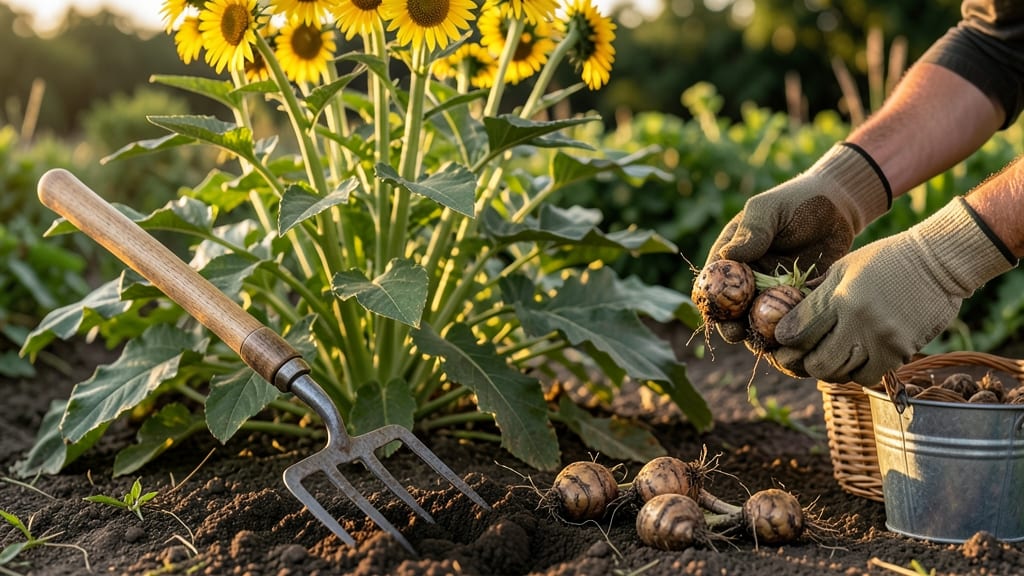
To harvest sunchokes at their peak flavor and size, aim for late summer to early fall when tubers reach 2-3 inches in diameter 🌱 — but don’t wait too long, or frost will ruin your crop.
Picture this: you’ve spent months nurturing your sunchokes, and now the leaves are turning yellow and wilting. That’s your cue—they’re ready! But harvest too early, and you’ll miss out on their full potential. Too late, and you risk losing them entirely to frost.
In this guide, I’ll walk you through the exact signs to look for—like tuber size, skin texture, and seasonal cues—so you never miss the perfect harvest window. You’ll also learn how to store them properly and avoid common mistakes that lead to smaller or damaged tubers.
By the end, you’ll know exactly when to harvest sunchokes for the best flavor, size, and storage life—no guesswork required.
Optimal harvest window: when sunchokes reach peak flavor and size
Timing your sunchoke harvest is crucial for maximizing both size and flavor. These tubers thrive in late summer to early fall, but the exact window depends on your climate zone and plant signals.
In most regions, aim to harvest 4-6 weeks before the first frost—this ensures tubers reach their ideal 2-3 inch diameter while still packing sweet, nutty flavor.
Sunchokes are perennial plants, meaning they’ll regrow if left in the ground. However, digging before frost prevents winter kill and gives you a fresh harvest. The key is watching for foliage changes: when the leaves turn yellow and wilt, it’s your cue that the tubers below are ready.
This usually happens in September or October, but adjust based on your local frost dates.
🌱 Did You Know? Sunchokes continue growing after their leaves die back. If you miss the harvest window, the tubers may become woody and tough, losing their desirable texture and taste.
| Harvest Indicator | Ideal Conditions | Climate Adjustments |
|---|---|---|
| Leaf Color | Yellowing or wilting | Cool regions: Harvest earlier (Aug-Sept) |
| Tuber Size | 2-3 inches in diameter | Warm regions: Wait until Oct-Nov |
| Skin Texture | Smooth and firm | Frost-free zones: Harvest anytime |
| Soil Temperature | 50-60°F | Mountain areas: Adjust 2-3 weeks earlier |
For gardeners in warmer climates, like USDA Zones 8-10, you can extend the harvest window into November. However, if frost is imminent, prioritize digging over waiting for perfect size. In cooler regions (Zones 3-6), harvest as early as late August to avoid frost damage.
Always test a few tubers by digging one up—if it’s smaller than a golf ball, wait a few weeks.
Another telltale sign is the ease of digging. Ready tubers should pull out of the soil with minimal effort, indicating they’ve reached optimal maturity. If the soil resists, the tubers need more time to grow.
This is especially true in sandy soils, where tubers mature faster than in clay-heavy soil.
Pro tip: Mark your calendar based on your last average frost date. For example, in Zone 5, aim for mid-September, while Zone 7 gardeners can wait until early October. Over-mature tubers may not store as well, so don’t delay if the foliage is already dying back.
If you’re unsure whether your tubers are ready, focus on the skin texture. A smooth, firm surface means peak harvest time, while a rough or spongy texture signals they need more time.
This is your best indicator alongside leaf color, as tuber size can vary slightly based on soil fertility and water availability.
For continuous harvests, consider planting sunchokes in succession—space out plantings by 2-3 weeks to stagger maturity. This way, you’ll have fresh tubers ready at different times throughout the season. Just remember, never harvest after frost, as cold temperatures can turn the tubers woody and inedible.
Once you’ve identified the perfect harvest window, act quickly to avoid missing the opportunity. Sunchokes are perennial, but their flavor and texture degrade rapidly after maturity. With the right timing, you’ll enjoy plump, sweet tubers that make roasting or boiling a delight—no frost damage in sight!
How to harvest sunchokes without damaging future growth
Harvesting sunchokes correctly ensures you get plump, flavorful tubers while preserving the plant’s ability to regrow next season. The key? Gentle digging at the right time using the proper tools and techniques.
I’ve learned from experience that rushing or being too rough can leave you with damaged tubers and a struggling plant.
Start by gathering your tools: a sharp garden fork or spade, gloves (sunchoke skins can be rough!), and a bucket for collecting tubers.
Work on a dry, sunny day when the soil is slightly moist but not soggy—this makes it easier to spot and dig up the tubers without tearing them.
Use your garden fork to gently probe the soil around the base of the plant, about 6-12 inches from the stem. Sunchokes grow in clusters, so look for areas where the soil feels slightly resistant or where you see small tuber "knobs" peeking through.
Insert the fork 4-6 inches deep and lift the soil gently to expose the tubers. Avoid using a spade, as it can cut into the tubers and damage the plant’s roots. Instead, wiggle the fork back and forth to loosen the soil around the tubers.
Once exposed, grasp the tubers by their necks (the stem end) and pull them gently from the soil. Never twist or yank—they’ll snap off if you’re too rough. Place them in your bucket, leaving the soil attached to protect their skins.
If you plan to let the plant regrow next year, leave 2-3 of the largest tubers in the ground. These will sprout again in spring, giving you a head start. Mark their location with a small stake or flag so you don’t accidentally dig them up next time.
Let the harvested tubers air-dry for 1-2 hours in a shady spot before storing. Brush off excess soil, but don’t wash them—moisture speeds up rot. Store in a cool, dark place (like a root cellar or basement) where temperatures stay between 35-40°F for up to 6 months.
One of the biggest mistakes I see gardeners make is over-digging the entire patch at once. If you harvest all the tubers, you’ll have to replant next year.
Instead, dig only what you need, leaving the rest to regrow. This method also reduces stress on the plant, ensuring a healthier crop the following season.
After harvesting, give your sunchokes a light mulch of compost or straw to protect the remaining tubers from frost. This also improves soil health for next year’s growth. With the right technique, you’ll enjoy a bountiful harvest year after year without damaging your plants.
Pro tip: If you’re unsure whether your tubers are ready, dig up just one or two to check their size and texture. This way, you can time your harvest perfectly without risking the whole crop.