
How To
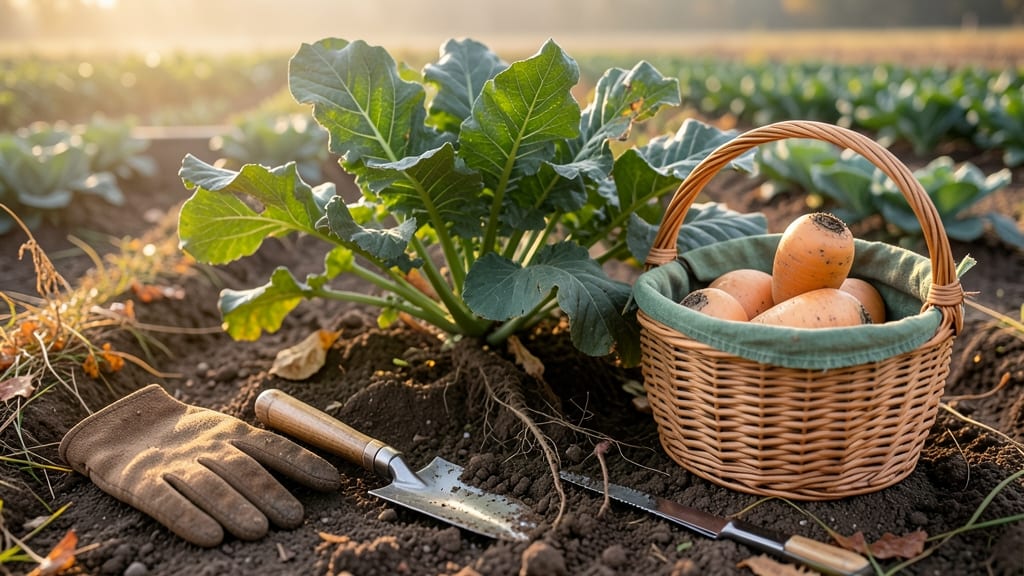
Harvest rutabagas when they reach 2-3 inches in diameter and leaves start yellowing — that’s the sweet spot between tender and woody.
Picture this: you’ve nurtured your 🥬 for months, and now the moment of truth arrives. One wrong move, and you’re left with bitter, stringy roots or wasted effort.
The difference between a perfect harvest and a disappointing one often comes down to timing, and knowing exactly when to pull them makes all the difference.
Rutabagas thrive in cooler weather, so aim for late September to October in most regions, but don’t wait too long. Overripe roots develop a tough texture and lose their sweetness, while harvesting too early means small, underdeveloped tubers. I’ll show you how to check for readiness—no guesswork required.
You’ll learn the visual cues to watch for, how to test for doneness, and even how to adjust for storage needs. By the end, you’ll be digging up rutabagas at just the right moment, every time.
How to identify the perfect rutabaga harvest time by size and appearance
Harvesting rutabagas at the right time transforms their flavor from bland to deliciously sweet and tender. The key lies in watching for three critical signals: root size, leaf color, and soil conditions.
Rutabagas mature gradually, and missing this window means tough, woody roots that ruin dishes. I’ve learned the hard way—overripe rutabagas taste bitter and store poorly, so timing is everything.
Start by checking the root diameter—this is your most reliable indicator. Rutabagas are ready when they reach the size of a golf ball (1.5–2 inches) to a tennis ball (2.5–3 inches). Smaller roots are still starchy and underdeveloped, while larger ones become fibrous.
For the sweetest flavor, aim for roots that are 2–3 inches in diameter—this is the "goldilocks zone" where taste and texture are perfect.
Next, observe the leaf color and condition. Healthy rutabaga leaves start vibrant green but signal harvest readiness when they yellow and begin to die back. This natural senescence means the plant is redirecting nutrients to the roots.
If leaves stay lush and green, your rutabagas need more time. Conversely, if leaves turn brown or crispy, you’ve waited too long, and the roots may already be tough.
Don’t ignore the soil and weather conditions—they’re just as important. Rutabagas thrive in cool weather, and the first light frost can actually sweeten the roots by converting starches to sugars. However, avoid harvesting after a hard freeze, as this damages the roots.
In my garden, I time harvests for late September to early October, just before the first hard frost in my USDA Zone 6a.
To test for readiness, gently dig up one rutabaga and examine it closely. The skin should be smooth and taut, not wrinkled or cracked. If the root feels firm when pressed with your thumb, it’s ready.
Soft spots indicate overwatering or immaturity, while a hollow sound when tapped suggests it’s past its prime. Pro tip: Harvest on a dry day to prevent soil from sticking to the roots, making storage easier.
Regional variations matter too. In warmer climates (Zones 7–10), rutabagas may mature faster and benefit from a light frost to sweeten them. In colder zones, like mine, I prioritize harvesting before the first hard frost to avoid damage.
If you’re unsure, check roots every 5–7 days starting at 70 days after planting—this gives you a buffer to catch the perfect moment.
One mistake I’ve seen gardeners make is harvesting based solely on days after planting. While rutabagas typically mature in 70–100 days, environmental factors like soil fertility and water availability can speed up or slow down growth.
Always combine size, color, and firmness checks for the most accurate timing. For example, a rutabaga in poor soil might stay small even after 100 days, while one in rich compost could be ready in 60 days.
For long-term storage, harvest slightly larger rutabagas (closer to 3 inches in diameter) as they store better due to thicker skins. Cure them in a cool, dry place (50–60°F) for 3–5 days to toughen the skin and improve storage life.
If you’re harvesting for immediate use, smaller roots (2 inches) are sweeter and more tender. The choice depends on your plan—store for winter or cook fresh.
Finally, avoid harvesting in wet soil, as this can damage the roots and make them prone to rot. Use a garden fork to loosen the soil around the rutabaga before gently pulling it out.
Shake off excess dirt and inspect for pests or diseases—discard any damaged roots immediately. With these tips, you’ll never miss the perfect harvest window again!
Rutabaga harvesting mistakes that ruin flavor and storage potential
Even experienced gardeners can make critical harvesting mistakes with rutabagas that turn sweet, tender roots into tough, bitter disappointments. The most common error? Pulling them too early or too late—both extremes ruin flavor and storage life.
I’ve seen gardeners dig up small, underdeveloped roots that taste bland or leave them in the ground too long, where they develop woody textures and split open.
Another frequent misstep is improper handling after harvest. Rough treatment can bruise the roots, creating entry points for rot during storage. Even the way you store them—temperature, humidity, and container type—plays a role in how long they last.
Let’s break down these mistakes and how to avoid them so you can enjoy rutabagas at their peak for months.
⚠️ callout warning
Rutabagas are ready to harvest when roots reach 2-3 inches in diameter—about the size of a golf ball to tennis ball. Harvesting too early (smaller than 1 inch) means underdeveloped flavor, while waiting too long (larger than 3 inches) leads to woody texture. Check for yellowing leaves and firm roots—these are your key cues.
Pro Tip: Use a garden fork to loosen soil before pulling to avoid damaging roots.
Harvesting too early is a common rookie mistake that results in tiny, tasteless roots. I’ve seen gardeners pull rutabagas when they’re barely the size of a marble, thinking they’ll grow bigger after harvest. Unfortunately, once you dig them up, they won’t expand—they’ll just stay small and bland.
Aim for roots that are at least 1.5 inches wide for decent flavor, but wait until they’re closer to 2-3 inches for the best taste and storage potential.
On the flip side, leaving rutabagas in the ground too long turns them woody and stringy. Overripe roots lose their sweetness and develop a tough, fibrous texture that’s nearly inedible.
You’ll also notice the leaves turning completely yellow and dying back—this is a sign the plant is senescing and shifting energy to the roots. If you see this, harvest within 3-5 days before the roots start to split or rot in the cold soil.
Improper handling after harvest can shorten storage life dramatically. Rutabagas are sensitive to bruising, so avoid dropping them or using a knife to cut them—always pull them gently by the leaves. After harvesting, let them cure in the sun for 1-2 hours to harden their skins, which helps prevent rot.
Store them in a cool, dark place with high humidity (like a root cellar or basement) where temperatures stay between 32-40°F.
One mistake many gardeners overlook is not adjusting harvest timing for storage goals. If you plan to eat rutabagas fresh, you can harvest slightly smaller roots (around 1.5-2 inches) for tender bites.
But for long-term storage, wait until they’re fully mature (2.5-3 inches) to maximize shelf life. Smaller roots store for only 2-3 weeks, while properly mature ones can last 4-6 months or longer.