
Vegetables
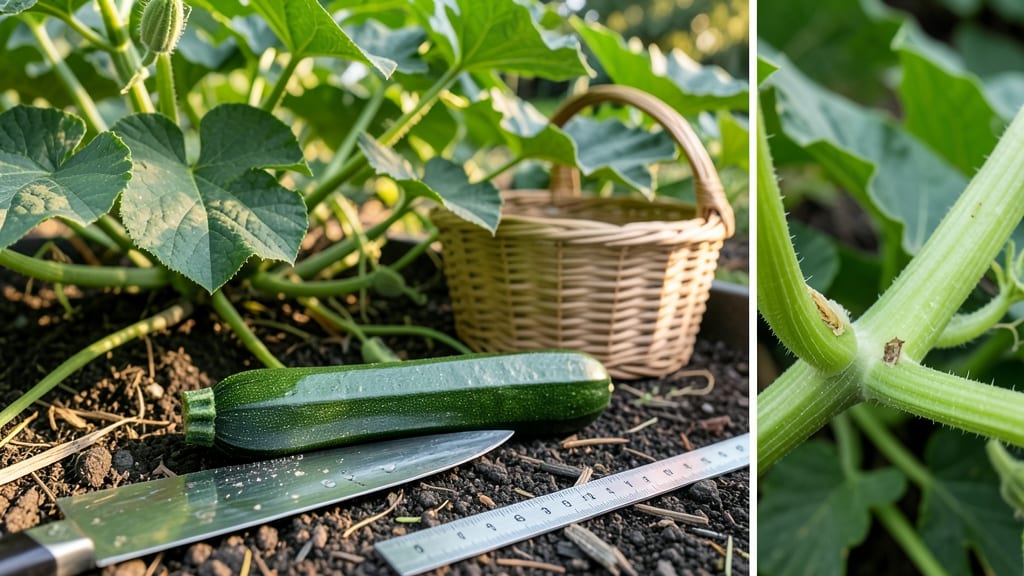
Harvest summer squash when they’re 6-8 inches long and the skin snaps easily 🎃 — that’s the sweet spot between tough and overripe.
Picture this: you’ve been waiting weeks for those squash to grow, only to pick one that’s rock-hard or bitter. Or worse, you harvest too early and end up with underdeveloped flesh.
The difference between a perfect summer squash and a doorstop comes down to timing, size, and a few simple checks.
Most varieties hit peak flavor when the seeds are still soft and the skin is bright, not waxy. Yellow squash? Look for a deep, even hue. Zucchini? Aim for 1-3 inches in diameter. Ignore these cues, and you’ll either waste a plant or end up with bitter produce.
Below, I’ll break down the exact size, seed, and skin clues to know when to harvest — plus how often to pick for a nonstop summer harvest.
How to determine summer squash harvest time by size, seeds, and skin
Timing your summer squash harvest is all about balance—picking too early gives you tough, seedy squash, while waiting too long means rock-hard flesh that’s nearly inedible. The key lies in three telltale signs: size, seed development, and skin texture.
Master these cues, and you’ll enjoy tender, sweet squash every time you visit your garden.
Most summer squash varieties—like zucchini, yellow crookneck, or pattypan—reach peak ripeness when they’re 1 to 3 inches in diameter. This might seem small, but larger sizes mean tougher flesh and more developed seeds.
Think of it like harvesting green beans: you want them young and tender, not fibrous and overgrown.
Here’s the definitive guide to visual and physical indicators, including a quick-reference table to keep handy while you’re harvesting:
Pay close attention to the skin texture—it’s your best indicator of ripeness. At peak harvest time, the skin should feel smooth and slightly firm, almost like a ripe avocado. If it’s waxy or leathery, it’s not ready yet.
For varieties like zucchini, the skin should be bright green and free of blemishes, while yellow squash will have a vibrant, even hue.
Don’t overlook the seeds—this is where many gardeners go wrong. When summer squash is ready to harvest, the seeds inside should be small, soft, and pale green or white. If you see hard, black seeds, it’s a clear sign the squash has passed its prime.
Think of it like checking the doneness of an egg: soft seeds mean perfect timing.
Another pro tip? Harvest in the morning when the squash is cool and crisp. This ensures you’re getting the freshest flavor, and it’s also easier to spot the ideal size before the heat of the day causes any stress to the plant.
Use a sharp knife or pruning shears to cut the squash, leaving a small stem attached to prevent rot.
Variety matters too! Pattypan squash, for example, should be harvested when the scalloped edges are fully formed but still tender, often at a slightly smaller size (around 2 inches in diameter).
Meanwhile, zucchini can handle a bit more growth (up to 3 inches) before becoming tough. Always check the seed packet for variety-specific guidance.
One final trick: Gently press your thumb into the squash. If it leaves a slight indentation but bounces back, it’s ready. If it doesn’t dent at all, it’s too hard—wait a day or two.
If it stays indented, it’s overripe. This simple test takes seconds and saves you from ending up with a garden full of doorstop-sized squash.
Remember, the more you harvest, the more your summer squash plants will produce. Pick consistently to encourage continuous flowering and fruiting. And if you find yourself with more squash than you can use? Don’t worry—there are plenty of ways to preserve or share the harvest!
🌱
Common harvest mistakes that ruin summer squash flavor (and how to avoid them)
Summer squash is at its sweetest when harvested at the perfect moment—but even experienced gardeners make mistakes that turn tender flesh into bitter disappointment. One of the biggest errors? Ignoring the time of day you harvest.
Early morning is ideal because the squash has had time to cool overnight, reducing moisture loss and preserving flavor. Harvesting in the heat of the day can cause the skin to toughen and the flesh to develop a gritty texture.
Another common blunder is assuming all summer squash varieties mature at the same size. Zucchini and yellow crookneck squash, for example, should be harvested at 6–8 inches long, while pattypan squash (like Sunshine or Gold Rush) are best picked when they’re 3–5 inches wide.
Overlooking these differences leads to either underripe or overripe squash, both of which compromise flavor.
⚠️ Harvesting Warning: Don’t Make These Mistakes!
- Hard, black seeds mean your squash is overripe—harvest before seeds develop color or hardness.
- Variety-specific sizes matter: check labels! Pattypan squash won’t taste sweet if left to grow larger than 5 inches.
- Fridge storage too soon accelerates bitterness. Store squash at room temperature (50–60°F) until fully ripe.
- Dull knives crush skin, creating entry points for bacteria. Use a sharp pruner or chef’s knife for clean cuts.
Even after harvesting, storage mistakes can ruin your squash. Placing freshly picked summer squash in the fridge too early triggers ethylene gas production, which speeds up spoilage and turns sweet flesh bitter. Instead, store them in a cool, dry place (like a pantry) for up to a week.
If you must refrigerate, wait until the squash is fully ripe—this prevents premature softening and extends shelf life by 3–5 days.
One final pitfall: harvesting infrequently or too aggressively. If you leave squash on the vine too long, the plant shifts energy from producing flowers (and more squash) to seed development.
On the flip side, over-harvesting stresses the plant. Aim for a 2–3 day harvest cycle during peak production to balance yield and plant health.
Pay attention to the stem attachment too. When squash is ready, the stem should snap easily when twisted gently—this indicates peak tenderness. If the stem resists, the squash is underripe. Conversely, if the stem detaches with a tough pull, the squash is overripe and past its prime.
By avoiding these common mistakes, you’ll enjoy summer squash with the perfect balance of sweetness and tenderness all season long. A little attention to detail at harvest time makes all the difference between a bland bite and a garden-fresh delight!