
How To
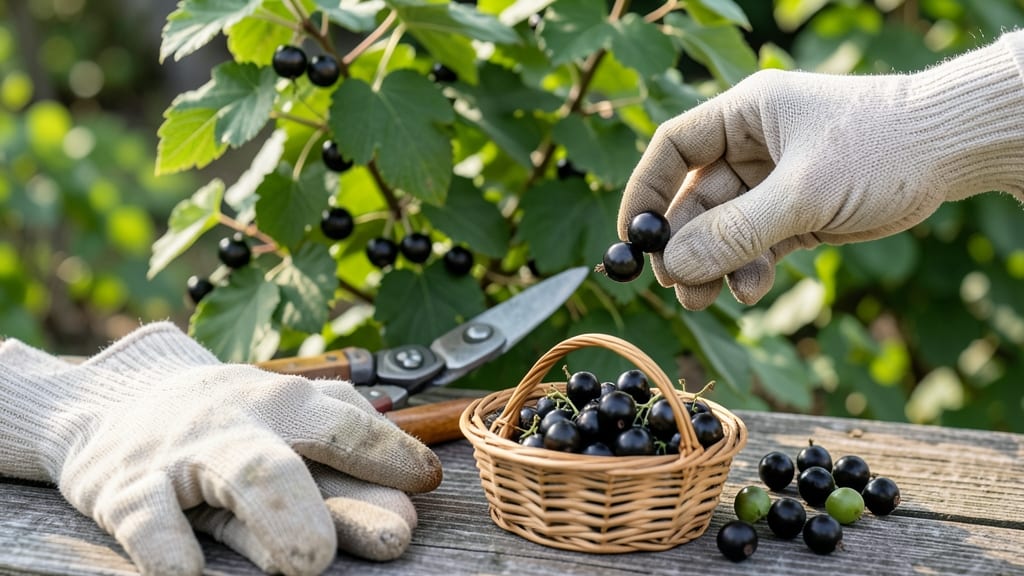
Harvesting currants at the right time ensures the sweetest, juiciest berries 🫐—and missing the window means mealy, flavorless fruit that’s already past its prime.
If you’ve ever bitten into a currant that’s too tart, too soft, or just plain bland, you know the stakes. The difference between a perfect harvest and a disappointment often comes down to timing—and the cues aren’t always obvious.
Some varieties ripen faster, others need a little more patience, and weather can throw off even the most experienced gardener.
In this guide, I’ll walk you through the visual and tactile tests that take the guesswork out of harvesting—from the classic stem snap to color shifts and size clues.
You’ll also learn how climate zones, daily temperatures, and even the time of day affect when your red, black, or white currants are truly ready to pick.
By the end, you’ll know not just when to harvest, but how to maximize flavor, avoid common mistakes, and store your crop for weeks. Let’s get those berries at their peak!
How to tell when currants are ready: color, size, and stem tests
Picking currants at the wrong time means sacrificing sweetness, juiciness, and even flavor—so knowing exactly when to harvest these delicate berries is the key to a perfect crop.
Currants mature differently based on their variety (black, red, or white), and each type has unique visual cues that signal peak ripeness. Ignoring these signs can lead to mealy, underripe berries or overripe ones that burst under pressure.
For black currants, the berries should turn a deep, glossy black color—not just dark purple. Red currants ripen to a vibrant, translucent red, while white currants develop a pale yellow-green hue with a slightly waxy sheen.
Size matters too: ripe currants are plump and uniform, typically measuring 0.5 to 0.75 inches in diameter for most varieties.
Here’s how to quickly assess ripeness using a simple stem snap test: Gently pinch a berry between your thumb and forefinger. If it detaches cleanly with slight pressure, it’s ready.
If the stem resists or snaps off with a dry crack, it’s underripe. Overripe currants will squish easily and may leak juice when pressed.
| Variety | Color | Size | Stem Test | Translucency |
|---|---|---|---|---|
| Black Currants | Deep black | 0.5–0.75" | Detaches easily | Glossy |
| Red Currants | Vibrant red | 0.3–0.5" | Pulls off stem | Slightly translucent |
| White Currants | Pale yellow-green | 0.4–0.6" | Softens at base | Waxy sheen |
Don’t rely solely on color—some red currants stay greenish at the core even when the outside turns red. To check, slice one open: the flesh should be uniformly colored with no green patches. For black currants, the inside should be a deep purple-black, not muddy brown, which indicates overripeness.
Another trick is the "float test": Drop a few currants into a bowl of water. Ripe berries will sink slowly due to their higher sugar content, while unripe ones float.
This works best for white and red currants, as black currants are naturally denser. Pair this with the stem test for the most accurate results.
Timing your harvest is also critical. Morning harvests yield the sweetest currants because overnight cooling enhances flavor. Avoid picking after rain, as wet berries bruise easily and attract pests. Use clean, sharp pruners or scissors to snip stems, leaving a small stem attachment to preserve freshness.
If you’re unsure, taste a berry! Ripe currants should be tangy-sweet, not sour or bland. Black currants have a bold, almost wine-like flavor, while red currants are lighter and more floral. White currants strike a balance between the two.
Overripe currants taste fermented or mushy, so act fast once they reach peak ripeness.
Pro tip: Harvest every 2–3 days during peak season to encourage continuous production. Currants ripen in clusters, so pick entire berry bunches at once. Store them in the fridge for up to 5 days or freeze for long-term use.
Proper timing ensures your currants are bursting with flavor, not just color!
Remember, patience is key. Rushing the harvest means missing out on the full sweetness and juiciness these berries have to offer. With these visual and tactile cues, you’ll never second-guess when to pick again! 🫐
Best time of day and season to harvest currants for maximum flavor
Timing your currant harvest isn’t just about waiting for berries to change color—it’s about catching them at their peak flavor window, when sugar levels are highest and acidity is balanced.
I’ve learned the hard way that harvesting too early means tart, underdeveloped fruit, while waiting too long risks bird damage or mealy texture. The right moment combines seasonal cues, daily weather patterns, and even the time of day you pick.
Most gardeners focus solely on seasonal timing, but the time of day you harvest can dramatically affect flavor and shelf life. Morning-picked currants are cooler, firmer, and packed with natural sugars since they haven’t been exposed to midday heat.
Afternoon harvests, while convenient, can yield berries that are softer and may have concentrated sugars—great for immediate use but less ideal for storage.
Your climate zone plays a huge role in seasonal timing too. In USDA zones 3-6, currants typically ripen between late June and early August, while zones 7-10 may see harvests stretching from May to September.
Early varieties like 'Consort' might be ready in June, while late varieties like 'Black Down' can wait until August. Don’t assume all currants ripen at once—check individual clusters weekly.
- 🌅 Morning Harvest (6-9 AM): Best for storage—berries are cooler, firmer, and retain maximum flavor. Ideal for red currants which are most flavorful when picked early.
- ☀️ Midday Harvest (10 AM-2 PM): Quickest for immediate use—berries are softer and sweeter due to sun concentration. Avoid if storing for more than 3 days.
-
🌇 Seasonal Windows by Zone:
- Zones 3-5: Late July-August (short growing season)
- Zones 6-8: June-August (peak in July)
- Zones 9-10: May-September (extended harvest)
- 🌡️ Weather Watch: Harvest 2-3 days after rain—berries are plumpest but avoid picking after heatwaves (>90°F), which causes shriveling.
- 📅 Early/Late Varieties: 'Red Lake' (early) ripens 2-3 weeks before 'Black Diamond' (late). Adjust your schedule by 10-14 days based on variety.
Weather is the wild card in currant harvesting. After a cool, cloudy week, berries may take longer to ripen, while hot spells can cause them to overripen quickly. I always check the forecast and adjust my picking schedule—if rain is predicted, harvest a day early to avoid waterlogged berries.
Similarly, if temperatures are forecasted to drop below 50°F, pick before the chill sets in to preserve sweetness.
For maximum flavor retention, store your freshly picked currants in a single layer in the fridge (not the crisper drawer) and use them within 5-7 days. If you’re planning to freeze or make jam, harvest in the morning and process within 24 hours for the best results.
The difference in taste between a properly timed harvest and a rushed one is night and day—trust me, your taste buds will thank you!