
How To
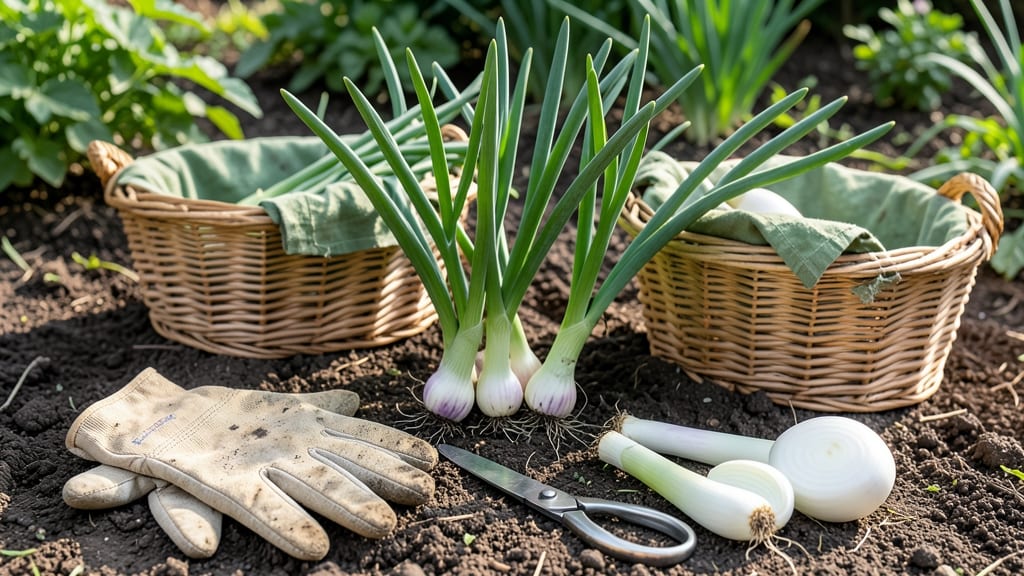
Harvesting spring onions at the right time means the difference between sweet, tender greens and bitter, woody stalks 🧅—and these visual cues will help you nail the window every season.
Spring onions are one of the fastest-growing vegetables in your garden—but harvest them too late, and their delicate flavor turns bitter as they bolt.
Timing is everything, and these 3 simple visual cues will help you pick them at peak freshness, ensuring your kitchen stays stocked with sweet, tender greens all season.
Look for dark green leaves reaching 6-8 inches tall and a bulb base that’s ½-1 inch in diameter. If you wait too long, the stalks thicken, the flavor sharpens, and regrowth becomes a gamble. Worse, bolting sends up flowers and leaves you with nothing but seed pods.
In this guide, I’ll walk you through the exact signs to watch for, how to harvest without ruining future growth, and what to do if you miss the window.
By the end, you’ll know when to cut and when to pull—plus how to store your harvest for weeks of fresh, oniony goodness.
3 Visual signs your spring onions are ready for harvest
Spring onions are ready to harvest when they reach their peak flavor and texture—before they bolt and turn bitter. The key is to watch for these three visual cues: leaf height, bulb size, and stalk thickness.
Miss these signs, and you might end up with tough, woody greens that ruin your favorite dishes. I’ve learned the hard way that patience pays off when harvesting these quick growers!
First, focus on the leaf height. Ideal spring onions grow to about 6-8 inches tall with dark green, vibrant leaves. If they’re shorter or pale, they’re not ready yet.
Overgrown plants with leaves taller than 10 inches often taste harsh and may have already bolted, signaling it’s too late for the best flavor.
Next, check the bulb size at the base. When the bulb measures ½ to 1 inch in diameter, it’s time to harvest. A small bulb means the onion is immature, while a bulb larger than 1 inch can become tough and pungent.
Run your fingers along the base—if it feels firm but not woody, you’ve got the perfect size!
Finally, examine the stalk thickness. The stalks should be ¼ to ½ inch thick and crisp when bent slightly. Thin stalks indicate underdeveloped onions, while thick, hollow stalks mean the plant is past its prime. Thickness is a dead giveaway for timing your harvest just right.
🧅 Spring Onion Harvest Comparison
| Sign | Ideal for Harvest | Overgrown (Too Late) |
|---|---|---|
| Leaf Height | 6-8 inches | 10+ inches |
| Bulb Size | ½-1 inch diameter | 1+ inch diameter |
| Stalk Thickness | ¼-½ inch thick | ½+ inch thick |
| Leaf Color | Dark green | Pale or yellowing |
| Texture | Crisp and firm | Soft or woody |
💡 Pro Tip: Use a ruler or your fingers to measure—it’s the easiest way to spot the perfect harvest time!
Harvesting at the right time ensures your spring onions stay mild and sweet. If you wait too long, the bulbs can split or develop a tough, onion-like flavor that’s less desirable.
I always aim to harvest mine in the morning after watering—the soil is moist, and the onions are at their crispest.
For continuous harvests, you can trim the greens instead of pulling the whole plant. Snip the leaves just above the bulb, and the plant will regrow for another round of harvests.
This method works best if you notice the leaves are 4-6 inches tall but the bulb isn’t fully developed yet.
If you’re unsure whether your spring onions are ready, taste one. The flavor should be mild and slightly sweet, not sharp or bitter. Bitter taste is your first warning sign that the plant has bolted and is past its prime.
Trust your taste buds—they’re the best judge of harvest timing!
Once you’ve mastered these visual cues, you’ll never miss the perfect harvest window again. Your kitchen will thank you with fresh, flavorful spring onions all season long. Happy harvesting!
How to harvest spring onions without damaging future growth
Harvesting spring onions the right way ensures you get both the greens and bulbs you need while keeping your plants productive. The key is using the correct technique—whether you're cutting or pulling—to avoid stressing the plant.
I’ve found that cutting leaves just above the bulb base encourages regrowth, while pulling the entire plant gives you a one-time harvest for storage or cooking. Let’s break down the best methods for each scenario.
For regrowth, always use a sharp pair of scissors or pruning shears to snip the leaves about 1-2 inches above the bulb. This leaves enough energy in the roots to regenerate new shoots.
If you’re harvesting the entire plant, grip the base firmly and pull gently but steadily—resisting too much can snap the bulb. Timing matters too: harvest in the morning when the soil is moist, as this reduces stress on the plant.
- Step 1 Choose your harvest method:
- For regrowth, cut leaves 1-2 inches above bulb with clean shears.
- For full harvest, pull entire plant by gripping base.
- Step 2 Use the right tools:
- Scissors/shears for cutting leaves (avoid dull blades).
- Garden gloves to protect hands from sharp edges.
- Step 3 Harvest at the best time:
- Morning harvests reduce bolting risk and stress.
- Avoid harvesting after heavy rain (soil is too soft).
- Step 4 Encourage regrowth:
- Water deeply after cutting to support root recovery.
- Apply light fertilizer (10-10-10) 1 week post-harvest.
- Step 5 Store harvested greens:
- Trim roots and store in plastic bag in fridge for 1-2 weeks.
- For bulbs, cure in dry shade for 24 hours before storing.
After harvesting, your spring onions can regrow in as little as 2-3 weeks, especially if you’ve cut them properly. Keep the soil moist but not soggy, and avoid over-fertilizing, which can lead to bitter flavors.
If you’re storing harvested greens, trim the roots and place them in a plastic bag with a paper towel to absorb moisture. This keeps them crisp for up to 2 weeks in the fridge.
For bulbs, let them cure in a dry, shaded spot for 24 hours to toughen the skin before storing in a mesh bag. This mimics natural drying and prevents rot. If you notice any yellowing or soft spots after storage, it’s a sign of spoilage—discard those immediately.
With the right care, you can extend your harvest season by several weeks without sacrificing flavor.
Pro tip: If your spring onions start bolting (sending up flower stalks), it’s a sign they’re past their prime. In this case, harvest immediately and compost the plants—bolted onions won’t regrow well, and their flavor becomes sharp and unpleasant.
By following these steps, you’ll enjoy a steady supply of fresh, tender spring onions all season long.