
Picking
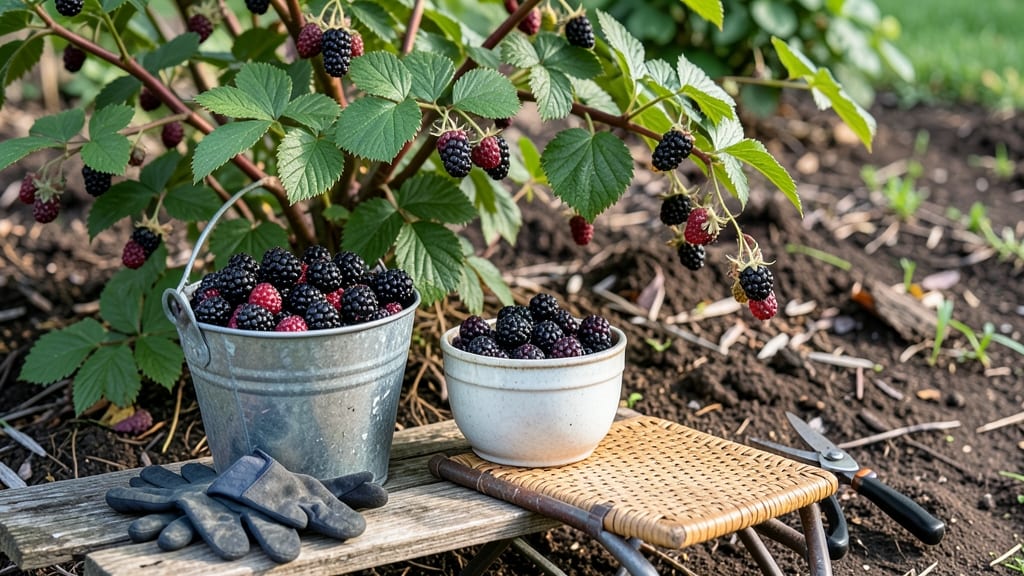
The blackberry harvest season determines whether your berries turn into jammy treats or mealy disappointments — and how long you can enjoy them afterward.
Picture this: you’ve spent months tending to your 🫐 blackberry bushes, and now the moment is here. But one wrong move — picking too early or too late — can ruin weeks of work.
Even worse, storing them improperly means those sweet, juicy berries won’t last beyond a few days.
In this guide, I’ll break down the exact timing for when blackberries are truly ripe, how climate and variety affect your harvest window, and the best storage tricks to keep them fresh for months.
Whether you’re dealing with thornless varieties or native types, you’ll learn how to maximize flavor and minimize waste.
Ready to turn your blackberry harvest into a year-round success? Let’s dive into the secrets of picking at peak ripeness and preserving that summer taste long after the season ends.
Blackberry harvest season timeline: when to pick by variety and climate
Blackberries reward patient gardeners with bursting flavor when harvested at the perfect moment. But timing varies wildly—from early June for primocane varieties to mid-September for late-season types. Even within the same region, a 5°F temperature drop can shift your harvest window by weeks.
Understanding these nuances ensures you never miss peak sweetness or risk frost damage to your crop.
Your USDA hardiness zone and blackberry type dictate everything. For example, everbearing varieties like 'Natchez' produce two harvests per year—one on floricane canes in summer, another on primocane canes in fall—while June-bearing types like 'Triple Crown' deliver a single, massive bounty.
Below, I’ve mapped out the harvest windows for common varieties across zones 5-9, plus how to adjust for early/late frosts.
📌 PRO TIP: Always harvest in the morning after dew dries to preserve flavor and reduce bruising. Use sharp pruners or scissors to avoid crushing berries—never pull by hand unless the fruit is fully ripe.
| Variety Type | Harvest Window (USDA 5-6) | Harvest Window (USDA 7-8) | Harvest Window (USDA 9) | Frost Risk Note |
|---|---|---|---|---|
| Early Primocane (e.g., 'Prime-Ark Freedom') | Late July - Early Aug | Mid-July - Late Aug | Late June - Mid-Aug | High in zones 5-6; monitor temps |
| Mid-Season Primocane (e.g., 'Arapaho') | Early Aug - Mid-Sept | Late July - Early Sept | Mid-July - Late Aug | Moderate; protect with row covers |
| Late Primocane (e.g., 'Ouachitree') | Mid-Sept - Early Oct | Late Aug - Mid-Sept | Early Aug - Late Aug | Low in zone 9; frost rare |
| June-Bearing (e.g., 'Chester') | Late July - Early Aug | Mid-July - Late Aug | Late June - Early Aug | High; harvest before first frost |
| Everbearing (e.g., 'Natchez') | Early July + Late Aug | Mid-June + Late July | Late May + Early Aug | Moderate; protect fall crop |
In cooler climates (zones 5-6), blackberries often ripen 2-3 weeks later than in warmer zones (7-9).
For example, 'Prime-Ark Freedom' might yield in late July in zone 7 but wait until early August in zone 6. Frost dates are your enemy—even a light frost can turn sweet berries to mush overnight. Use a frost watch from your local Cooperative Extension Service to plan ahead.
If you’re growing native blackberries like Southern dewberry or Northern black raspberry, expect harvests 1-2 weeks earlier than commercial varieties. These wild types thrive in partial shade and often ripen in June, making them ideal for early-season jam-making.
However, their smaller berries and thorns mean lower yields—balance flavor with convenience!
🌡️ TEMPERATURE TIP: Blackberries need consistent warmth to ripen. If daytime temps drop below 60°F for more than 3 days, growth slows, delaying harvest by 10-14 days. In zone 9, heat waves can cause berries to ripen too quickly, leading to sunburned or cracked fruit. Provide light shade cloth during peak summer if needed.
For thornless varieties like 'Apache' or 'Chester', harvest frequency matters. These plants produce heavier crops and may need picking every 2-3 days during peak season to avoid overripe berries falling to the ground. Overcrowded can
How to test blackberry ripeness: 3 key signs for optimal flavor
Picking blackberries at the perfect ripeness ensures the sweetest flavor and best texture. While color is the first clue, it’s not always reliable—especially for red or purple varieties.
Overripe berries can turn mealy, while underripe ones lack sweetness. I’ve learned the hard way that touch, scent, and taste are the real game-changers for nailing the harvest.
Don’t rely solely on berry color—some varieties stay red or purple even when fully ripe. Instead, combine three key tests to confirm ripeness. This method works for thornless, native, and everbearing varieties, so you’ll never miss peak flavor again.
The best part? These tests take seconds per cluster and save you from wasting underripe fruit.
Press lightly—ripe berries yield slightly but stay firm. Overripe ones squish like jelly.
Twist gently—ripe berries detach cleanly with minimal force. Unripe ones cling tightly.
Sniff near the cluster—ripe berries emit a fruity, sweet scent. No smell? Not ready yet.
Pro tip: Harvest in the morning when temperatures are coolest. This preserves berry firmness and flavor intensity longer. I’ve noticed that everbearing varieties ripen faster than summer-bearing types, so check them every 2-3 days during peak season.
If you’re unsure, pick a few berries and taste-test—they’ll either reward you with bursting sweetness or confirm they need more time.
Common mistake alert: Overripe berries are often ignored because they’re darkest in color, but they’re mushy and seedy. Always check for wrinkled skin or soft spots—these are red flags.
For longer storage life, harvest slightly underripe (firm but colored) and let them ripen at room temperature for 1-2 days.
Adjust your harvesting frequency based on your blackberry type. Everbearing varieties produce two crops per year (spring and fall), so monitor them weekly during both seasons. Summer-bearing types have a 6-8 week harvest window, so focus on daily checks once they start ripening.
I’ve found that thornless varieties ripen more uniformly, making them easier to harvest in bulk.
Once you master these three ripeness tests, you’ll never waste another blackberry again. Store your freshly picked berries in the fridge for up to 5 days or freeze them immediately for long-term use. Trust me, your jam, smoothies, and desserts will thank you for the perfect harvest! 🫐