
How To
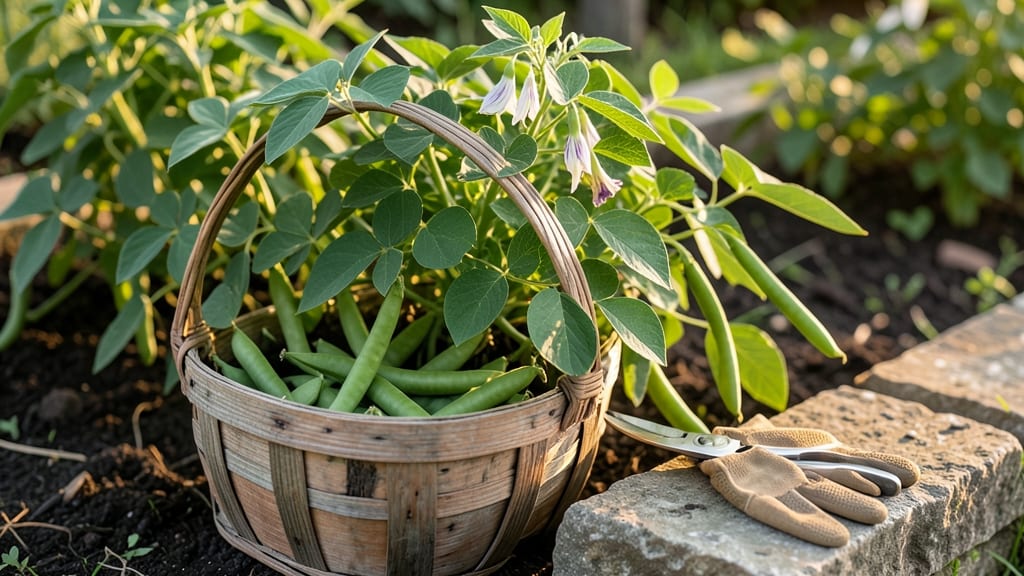
Harvest snap beans when pods are 4–6 inches long, bright green, and firm but yielding—this is the sweet spot for crisp, flavorful bites 🌱.
Picking snap beans at the wrong time can turn crisp, sweet pods into tough, stringy messes—so timing is everything for that perfect harvest.
Most gardeners miss the window because they focus on size alone, but the real clues are in the texture and seed stage. A pod that snaps easily with tiny white seeds inside is ready; one that feels woody or has visible bulges is past its prime.
In this guide, I’ll walk you through the exact signs to watch for—plus regional tips to keep your harvest going strong from June through September.
How to identify perfectly timed snap bean pods for harvesting
Mastering the art of harvesting snap beans starts with understanding their development stages—because timing directly impacts flavor and texture. The ideal moment arrives when pods reach 4–6 inches long, boast a bright green hue, and feel firm yet yielding to gentle pressure.
Skipping this window means sacrificing that coveted crunch, while waiting too long transforms tender pods into tough, fibrous stalks. Whether you're growing bush beans or pole varieties, these visual and tactile cues are your roadmap to success.
One of the most reliable indicators is the seed development stage. At peak harvest, seeds should be flat, white, and pea-sized (about 1/8 inch)—visible but not bulging. If seeds are still translucent or already darkening, the pod isn’t ready.
This tiny detail separates perfect snapping beans from those that disappoint. Paying attention to these signals ensures every harvest delivers the crisp, sweet pods you crave.
Visual cues alone aren’t enough—tactile feedback is critical. Gently pinch a pod between your thumb and forefinger. If it snaps cleanly with a slight resistance, it’s harvest-ready.
A pod that bends without snapping or feels mushy is too young, while one that’s overly stiff or woody has passed its prime. This simple test eliminates guesswork and guarantees you’re picking at the perfect moment.
Color plays a secondary but still important role. Bright, vibrant green pods are ideal, while dull or yellowing ones signal overripeness. Even slight variations in shade can hint at maturity—don’t dismiss these subtle clues.
For example, Blue Lake beans maintain their color longer, while Roma beans may darken faster. Adjust your expectations based on the variety you’re growing.
Regional climate zones can shift ideal harvest windows slightly, but the core principles remain the same. In cooler climates (USDA Zones 3–5), pods may mature faster due to shorter growing seasons, while warmer zones (6–10) often see extended harvest periods.
For example, in Zone 7, I’ve found that Blue Lake beans reach peak harvest 50–55 days after planting, while contender varieties may take 55–60 days. Always check your seed packet for days-to-maturity guidelines as a baseline.
A common mistake is assuming all snap beans follow the same timeline. Bush beans typically produce pods over 3–4 weeks, while pole beans can yield continuously for 6–8 weeks if properly trellised.
If you’re growing both varieties, prioritize harvesting bush beans first to prevent overcrowding and ensure pole beans have room to thrive. This staggered approach maximizes your harvest window and reduces waste.
Another pro tip: Harvest in the morning when pods are at their crispest. Early-morning coolness preserves texture, while afternoon heat can cause pods to soften prematurely. I also recommend using sharp scissors or pruners to snip pods just above the pod junction—this minimizes plant damage and encourages more production.
Avoid pulling pods by hand, as this can uproot tender plants or damage stems.
Don’t let small mistakes derail your harvest. For instance, ignoring seed development is a surefire way to end up with tough pods. Always check the seed size before committing to a harvest.
Similarly, harvesting irregularly can stress plants and reduce future yields. Aim for every 2–3 days during peak production to keep plants productive. Consistency is key to a bountiful, ongoing harvest.
Finally, trust your instincts—if a pod looks or feels off, it probably is. Over time, you’ll develop an intuitive sense of what’s ready. Start by following the 4–6 inch rule, then refine your approach based on your plants’ unique growth patterns.
With practice, you’ll nail the harvest window every time, ensuring your snap beans are always crisp, sweet, and perfectly timed. 🌱
Best practices for harvesting snap beans to extend your season
Harvesting snap beans at the right moment transforms your garden into a continuous harvest machine. The key is consistency—regular picking keeps plants producing new pods while preserving that coveted crisp texture.
Whether you're dealing with bush beans or pole varieties, the right techniques ensure you never miss peak flavor. I’ve learned that morning harvests yield the freshest pods, and using the proper tools makes all the difference in plant health.
One of my biggest mistakes early on was harvesting infrequently, which led to overripe pods and stunted growth. Now, I treat snap beans like a high-maintenance crop—they demand attention but reward it with sweet, tender harvests.
The secret weapon? A sharp pair of pruners and a harvesting schedule that matches your plant’s growth cycle. Let’s dive into the step-by-step practices that’ll keep your snap beans producing all season long.
For pole beans, which produce over a longer season, I recommend harvesting top pods first to encourage downward growth. This technique maximizes your harvest window by 3–4 weeks compared to bush varieties.
Always use clean, sharp tools—dull scissors can crush stems, inviting disease. I keep a small pair of bypass pruners dedicated solely to bean harvesting to avoid cross-contamination with other plants.
Regional climate plays a role too. In hotter zones (8–10), snap beans may mature faster, requiring daily harvesting during peak heat. Conversely, in cooler climates (3–6), a 3-day schedule often suffices.
Pay attention to your plants’ signals—drooping leaves or slowed pod production may indicate it’s time to adjust your harvesting rhythm.
Preserving pod quality isn’t just about timing—it’s also about post-harvest care. Rinse beans briefly in cool water to remove dirt, then pat dry with a clean towel to prevent moisture buildup. Store them in a ventilated container lined with a paper towel to absorb excess humidity.
For long-term storage, blanch pods for 2–3 minutes before freezing—this preserves their bright green color and crisp texture.
By mastering these practices, you’ll transform your snap bean harvest from a hit-or-miss affair into a reliable, flavor-packed garden staple. The payoff? A season of crisp, sweet pods that’ll have you snapping (literally) at the opportunity to harvest again. Happy gardening! 🌱✂️