
How To
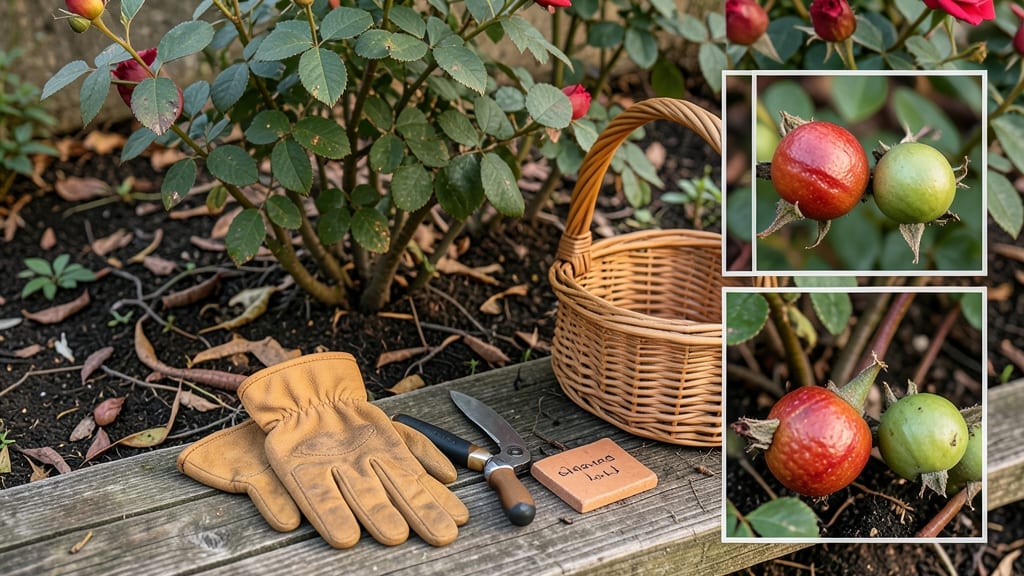
Harvesting rose hips at the right time ensures their perfect flavor and nutrient potential for teas, jams, or supplements.
Picking too early means bitter, astringent hips, while waiting too long turns them mushy and past their prime. That’s why knowing the exact moment—when they’re deep red, firm, and fully ripe—makes all the difference.
In Zone 6a, aim for late September to November, after the first frost brightens their color. But don’t rely solely on the calendar—check for a glossy sheen and easy detachment from the stem.
Below, I’ll walk you through the 3 key clues to harvest rose hips at their peak, plus how to store them for year-round use.
3 Color & texture clues to harvest rose hips at peak ripeness
Timing your rose hip harvest is everything—wait too long, and you’ll get mushy, overripe fruit with compromised flavor. Harvest too early, and the vitamin C and antioxidant levels won’t reach their peak.
The key lies in three visual cues that signal perfect ripeness: color depth, texture, and seed separation. These clues ensure you’re harvesting hips packed with nutrients, whether you’re making rose hip tea, jams, or supplements.
Most rose hips ripen between late September and November, but the exact timing depends on your USDA zone and local climate. In Zone 5 or colder, a light frost often triggers ripening, while warmer zones (7-9) may need no frost at all.
Watch for these three telltale signs to know when to harvest, regardless of your region.
🌹 SUMMARY-TABLE: When to Harvest Rose Hips by Visual Cues 🌹
| Clue | Description | Action |
|---|---|---|
| 🔴 Color | Deep red, orange, or purple (no green patches) | Harvest when 70-80% uniformly colored |
| 🤲 Texture | Slightly soft but firm (like a ripe plum) | Gently squeeze—should yield slightly but not squish |
| 🌱 Seed Separation | Seeds detach easily when cut open | Slice one hip—seeds should pop out with light pressure |
| ⏰ Regional Timing | Zones 5-7: After first frost (Sept-Nov) | Zones 8-10: Late Oct-Dec (no frost needed) |
The color change is your first clue—ripe rose hips shift from green to a vibrant red, orange, or deep purple, depending on the variety. Rosa rugosa hips, for example, turn a bright orange, while Rosa canina (dog rose) stays deep red.
Avoid harvesting if you see green patches, as these indicate underripe hips with a bitter, astringent taste. Pro tip: Use a white plate as a backdrop to spot subtle color shifts more easily.
Texture is where many gardeners go wrong—overripe hips feel mushy or leathery, while underripe ones stay hard and woody. At peak ripeness, hips should have a slight give when gently squeezed, like a ripe avocado.
If the skin wrinkles or cracks, it’s past its prime. Test a few hips from different branches to account for uneven ripening on the same plant.
Inside the hip, seed separation is the final check. Slice one open with a sharp knife—ripe seeds should detach effortlessly from the flesh. If they’re still firmly attached, wait a few days.
This cue ensures maximum vitamin C (up to 5x more than oranges!) and bioactive compounds like quercetin. Discard any hips with moldy or discolored seeds, as these can spoil your entire batch.
Regional timing varies dramatically. In northern climates (Zones 3-5), hips often ripen after the first hard frost, which converts starches to sugars and intensifies flavor. In southern zones (7-10), where frosts are rare, hips may ripen gradually over 4-6 weeks.
Start checking in late October and harvest in batches every 7-10 days to avoid missing the window.
One common mistake is harvesting all hips at once, which can lead to spoilage. Instead, pick a few hips daily and monitor for ripeness.
Store unripe hips in a cool, dark place (like a garage or root cellar) to slow ripening, but avoid refrigeration, which can speed up decay. If you’re in a dry climate, hips may ripen faster—check them every 3-4 days once color starts changing.
For culinary use, fully ripe hips make the best rose hip syrup, jams, or infused vinegars. Medicinal users benefit most from dried hips, as drying concentrates the vitamin C and antioxidants.
If you’re unsure, taste-test a small batch: ripe hips should taste sweet-tart, while unripe ones are harsh and dry. Trust your palate—it’s the best harvest timer of all.
Remember, patience pays off with rose hips. Rushing the harvest means missing out on their peak nutritional value and flavor potential. Keep an eye out for these three clues, and you’ll always know exactly when to pick—whether you’re feeding your family or stocking your pantry for winter.
Best harvest methods: tools, techniques, and storage tips
Once you’ve spotted your perfectly ripe rose hips, the next step is harvesting them cleanly to preserve their nutrient-rich qualities. Start by gathering gardening gloves and sharp pruners—dull tools can crush hips and spread disease. Work on dry mornings when dew isn’t present, as moisture speeds up spoilage.
Gently twist hips from the stem to avoid damaging the plant. If they resist, use pruners but leave a small stem stub (about ¼ inch) to prevent rot.
Collect hips in a breathable mesh bag or cardboard box to allow airflow and prevent bruising. Avoid plastic containers, which trap moisture and encourage mold.
After harvesting, sort hips immediately. Discard any that are squishy, moldy, or insect-damaged. The best hips will be uniformly colored, firm to the touch, and free of cracks.
Store them in a cool, dark place (like a basement) for up to 2 weeks if you plan to process them soon.
Step-by-Step Harvest & Storage Guide
- Step 1: Harvest in late morning after dew dries but before midday heat (9–11 AM).
- Step 2: Use sterilized pruners to cut stems cleanly, leaving a ¼-inch stub.
- Step 3: Sort hips immediately—discard damaged or soft ones to prevent spoilage.
- Step 4: Spread hips on drying racks or paper towels in a well-ventilated area (60–70°F).
- Step 5: Dry for 3–5 days, stirring occasionally, until leathery and wrinkled.
- Step 6: Store dried hips in airtight jars or zip-top bags in the freezer for up to 1 year.
Pro Tip: Label jars with the harvest date to track freshness.
For long-term storage, consider freezing or dehydrating rose hips. Freezing is simplest: wash hips, pat dry, and freeze them whole in single layers on a tray before transferring to bags.
Dehydrating concentrates their vitamin C—slice hips in half lengthwise, place cut-side up on a dehydrator tray, and dry at 135°F for 6–8 hours.
Fermenting rose hips is another great option for preserving their probiotic benefits. Simmer hips in water for 30 minutes to soften, then strain and mix with equal parts apple cider vinegar and filtered water.
Store in a glass jar with a lid, and let ferment for 3–5 days in a dark place. Strain again before using the liquid in teas or dressings.
With the right harvesting tools and storage methods, you can enjoy rose hips year-round—whether as a zesty jam, a healing tea, or a nutrient-packed supplement. Just remember: freshness is key, so process hips within a week of harvesting for the best results. 🌹