
How To
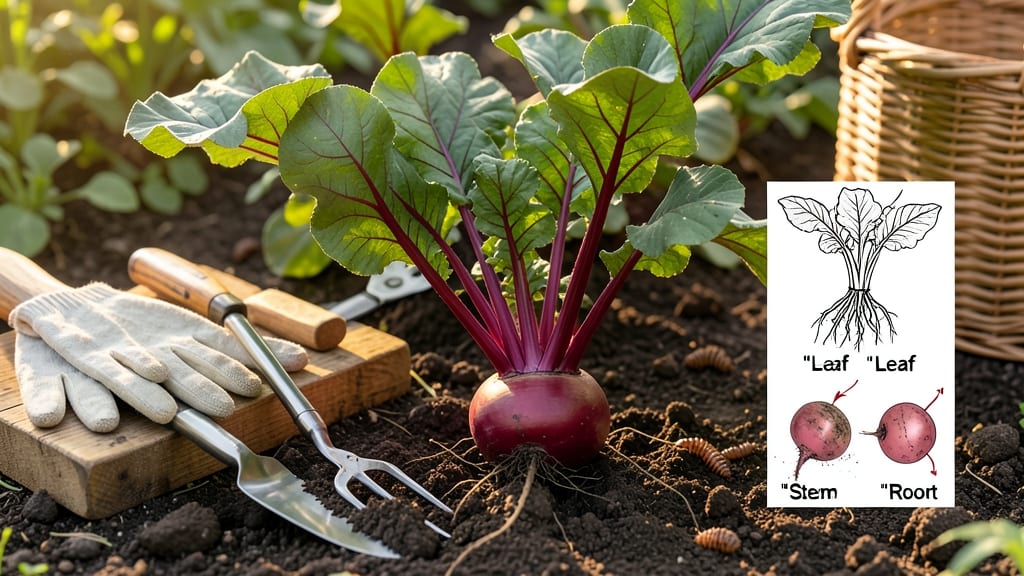
Knowing when to harvest beets 🍠 comes down to root size, color, and leaf health — and missing the window means tough, bitter roots or stunted greens.
Picture this: you’ve spent weeks nurturing your beet patch, and now you’re staring at the soil, wondering if those roots are ready. The truth is, beets give you clear signals — from vibrant color shifts to the perfect diameter — but timing is everything.
One week too early, and you’re left with underdeveloped roots; too late, and they turn woody and tough.
In USDA Zone 6a, spring-planted beets typically reach harvest readiness in 60 days, while fall crops may take slightly longer. But don’t rely on days alone — soil temperature, sunlight, and even rainfall play a role in maturity.
A beet’s greens might look lush, but the root could still be small and tender, or it could already be past its prime.
Below, I’ll break down the visual cues you need to spot — like deep color and firm roots — plus how to adjust for your climate. By the end, you’ll know exactly when to pull those beets for the sweetest, most tender harvest.
Signs of perfect beet harvest: color and root size guide
Knowing when to harvest beets can transform your garden bounty from tough and fibrous to tender and sweet. The key lies in watching for visual cues like root size and color changes—signs that show your beets are ready for the table.
Unlike many vegetables, beets actually taste sweeter after a light frost, but their ideal harvest window comes before that sweetening process begins for peak tenderness.
Baby beets and mature roots have different harvest timelines, so understanding these physical indicators helps you decide whether to pull them for quick salads or let them grow larger for roasting.
For example, golden beets mature faster than deep red varieties, while striped types often need extra time to develop their signature patterns. Paying attention to these details ensures you never miss the perfect moment.
The most reliable way to determine beet readiness is by checking the root diameter. For baby beets, aim for roots that are about 1-2 inches wide—these are perfect for quick pickling or salads.
Their greens should be 4-8 inches tall and a vibrant green, indicating healthy growth without overmaturity. If you're growing heirloom varieties, like the classic Detroit Dark Red, wait until the roots reach 2.5-3 inches for a balance of sweetness and texture.
Color is another critical clue. Deep red beets should develop a rich, even hue without any greenish tints near the shoulders. Golden beets will shift from pale yellow to a warm amber, while striped varieties will show bold, defined lines.
If the color fades or becomes uneven, your beets may be past their prime. Always harvest in the morning when the soil is coolest to preserve their crispness and sweetness.
Don't overlook the leaf condition—healthy greens are a sign of a thriving root. Look for leaves that are 6-12 inches tall and free from holes or yellowing. In hot weather, slight wilting can indicate maturity, but avoid harvesting during peak afternoon heat, as this can stress the plant.
Instead, wait until the evening when temperatures drop, making the roots easier to pull cleanly from the soil.
One common mistake is assuming all beets mature at the same rate. Baby beets like 'Babybeat' can be harvested in as little as 45 days, while larger varieties may need up to 70 days.
To extend your harvest season, plant successive crops every 2-3 weeks. This staggered approach ensures a continuous supply of fresh beets, whether you prefer them young and tender or fully matured for storage.
For storage beets, like the 'Chioggia' variety, let them grow until they reach 3-4 inches in diameter. These beets develop their signature pink-and-white rings when fully mature, making them ideal for long-term storage in a cool, dark place.
Always leave 1 inch of stem attached when harvesting to help preserve freshness and prevent spoilage during storage.
If you're unsure whether your beets are ready, perform a simple finger test. Gently brush away the soil around the root and check its size. If it feels firm and the color is consistent, it's time to harvest.
Remember, beets continue to grow even after they're pulled, so don't wait too long or you'll end up with woody, tough roots that are less enjoyable to eat. A little patience and observation go a long way in ensuring your harvest is perfect.
Finally, consider the seasonal timing of your harvest. In cooler climates, beets often mature faster in spring and fall due to moderate temperatures. In hot summers, they may take longer to reach harvest size.
Adjust your expectations based on your local climate, and always be ready to harvest when the signs are right—because once beets reach their peak, they start to decline in quality quickly.
How soil and weather affect beet maturity timing
Beets thrive when soil temperatures stay between 50°F and 85°F—too cold or hot can stall their growth. Cool spring weather (50°F-65°F) produces sweeter, tender roots faster, while hot summer heat (above 85°F) slows maturity and can make them woody.
I’ve noticed my golden beets mature in just 50 days in spring but take 70 days in scorching July.
Sunlight also plays a critical role—6+ hours of direct sun daily speeds up growth, but partial shade in hot climates prevents bolting (flowering). My Detroit Dark Red beets in full sun reached harvest size in 60 days, while those in afternoon shade took 10 extra days.
Soil moisture matters too: Consistent dampness (not soggy) keeps roots plump and speeds maturity.
🌱
⚠️ Warning: Soil & Weather Pitfalls
- Cold soil (<50°F): Delays germination and root growth by 2+ weeks—use black plastic mulch to warm soil faster.
- Drought stress: Causes bitter, tough roots—water deeply 2-3x/week during dry spells.
- Extreme heat (>90°F): Stops growth and turns roots woody—harvest morning greens to avoid stress.
Pro Tip: Test soil temp with a thermometer—beets grow best when soil is 60°F-70°F.
Soil type affects timing too—Loamy soil drains well and speeds growth, while clay soil can slow roots by 10-15 days.
I amended my heavy clay with compost and saw 30% faster maturity. pH levels matter too: aim for 6.0-7.0—acidic soil (<5.5) locks out nutrients, delaying harvest by weeks.
Adjust your harvest schedule by 1-2 weeks based on your climate. In Zone 5, I harvest spring beets in late May, but in Zone 9, fall beets mature by mid-October.
Watch for leaf color changes (deep green to slightly wilted) as your cue—this often aligns with ideal soil temps.
For baby beets, prioritize cool weather and consistent moisture—they’re ready in 30-40 days. Mature roots need 60-70 days, but heatwaves can stretch this to 90 days.
If your beets linger past 70 days, thin the crop to reduce competition and speed up the remaining plants.
🌡️