
How To
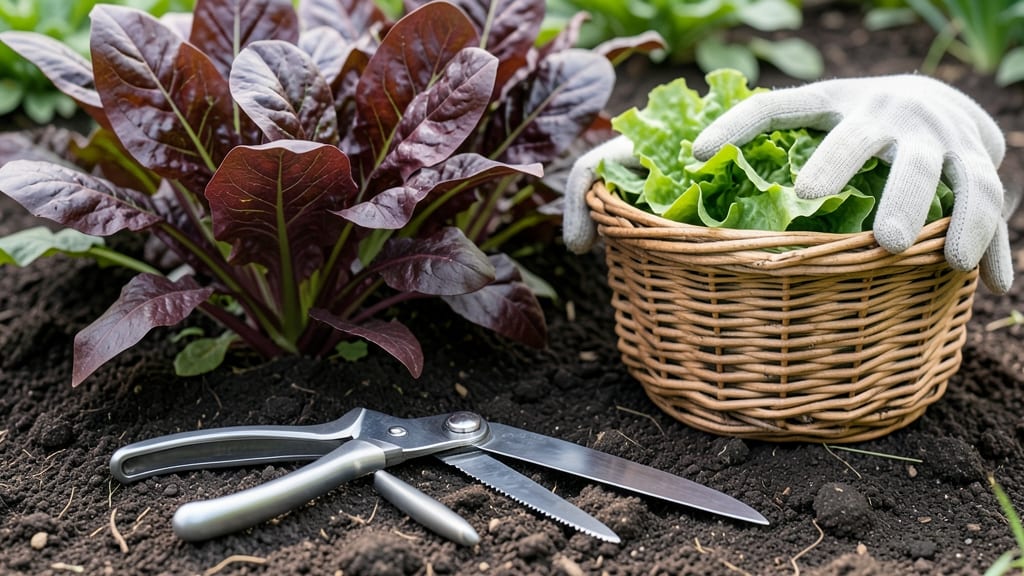
Harvesting red romaine lettuce 🥬 at the right moment ensures crisp, flavorful leaves packed with that signature peppery bite you love.
Picking too early means sacrificing size and depth of color, while waiting too long risks bolting or bitter flavors. The key is catching those cup-shaped outer leaves when they’re fully elongated but still firm—about 6-8 inches long—before the plant shifts its energy to seed production.
In zone 6a, your spring crop should be ready by late May, while fall lettuce hits peak harvest in early October. Look for deep red hues, sturdy stems, and leaves that stand upright rather than wilting—these are your telltale signs of perfect timing.
Once you master this test, you’ll extend your harvest window, avoid common mistakes, and enjoy restaurant-quality greens straight from your garden. Below, I’ll walk you through the exact visual cues and tools to make every harvest a success.


How to identify perfect harvest time using the crisp stem and cup-shaped leaf test
Harvesting red romaine lettuce at the perfect moment transforms your garden bounty from good to exceptional. The key lies in two simple but powerful tests: the stem snap test and the cup-shaped leaf analysis.
These methods help you avoid the pitfalls of harvesting too early (tender, underdeveloped flavor) or too late (bitter, tough leaves). Let's break down how to use these tests like a pro.
First, focus on the stem snap test, which reveals the plant's internal readiness. When you gently bend a leaf's stem near the base, it should emit a crisp, clean snap sound and break with minimal resistance.
This indicates the plant has developed enough cellulose fibers for optimal texture. If the stem bends without snapping, your lettuce needs more time to mature. Conversely, if it snaps too easily, you may have waited too long.
Next, examine the cup-shaped leaves at the outer edges. Mature red romaine lettuce develops distinctive cup-shaped leaves that are fully elongated (typically 6-8 inches long) and form a compact head.
The undersides of these leaves should curve gently inward, creating a natural cup shape. This shape isn't just visually appealing—it's a sign the plant has reached its peak flavor development.
Step-by-Step: How to Test Red Romaine Lettuce for Harvest Readiness
- 1 Perform the stem snap test: Select the outermost leaf and pinch the stem 1 inch from the base. Gently bend it—it should snap cleanly with a crisp sound.
- 2 Check leaf length: Measure the longest outer leaf. It should be between 6-8 inches for full maturity. Leaves shorter than 5 inches are underdeveloped.
- 3 Inspect leaf shape: Look for cup-shaped leaves that curve inward at the edges. The head should feel compact and firm when gently squeezed.
- 4 Evaluate color depth: The leaves should be a deep, vibrant red. Pale or green-tinged leaves need more time to develop their signature color.
- 5 Test for bitterness: Taste a small piece of an outer leaf. If it's peppery but not bitter, it's ready. Bitter taste means it's past its prime.
Don't overlook the weather conditions on harvest day. Ideal timing is on a cool morning after any evening dew has evaporated. This ensures your lettuce is crisp and free of excess moisture, which can lead to wilting or rot during storage.
If you're harvesting in hotter months, opt for early morning or late evening to preserve the crisp texture you've worked so hard to achieve.
Pro tip: For continuous harvests, practice the "cut-and-come-again" method. Instead of harvesting the entire head, snip the outer leaves just above the base. This encourages the plant to produce new growth while still allowing you to enjoy fresh lettuce.
Just be sure to leave the inner leaves intact—they're the plant's growth engine!
If your red romaine lettuce starts to develop a flower stalk (a process called bolting), it's a clear sign you've missed the harvest window. Bolting is triggered by stress, including heat waves or day length changes.
While bolted lettuce is still edible (just remove the bitter stalk), it's best to prevent bolting by harvesting promptly when the plants meet the crisp stem and cup-shaped leaf criteria.
For container gardeners, pay extra attention to root development. Gently lift the pot to check if roots are crowding the bottom. If they are, your lettuce may be root-bound and ready for harvest.
Overcrowded roots can also lead to stunted growth and smaller leaves, so regular harvesting helps maintain optimal plant health.
Remember, the ideal harvest window for red romaine lettuce is typically between 45-60 days after sowing, depending on your climate. In cooler zones, you might extend this slightly, while warmer climates may require harvesting sooner. Always adjust based on the physical tests rather than relying solely on days-to-maturity guidelines.
Once you've mastered these tests, you'll never again guess whether your red romaine lettuce is ready for the table. The result? Perfectly crisp, deeply colored, and bursting with peppery flavor lettuce that makes every salad worth savoring. Happy harvesting! 🥬✂️
Red romaine lettuce growth stages: when to harvest for baby leaves vs full-size heads
Red romaine lettuce offers three distinct harvest windows, each delivering unique flavors and textures. Whether you're growing for tender microgreens, delicate baby leaves, or full-sized heads, timing is everything.
The key difference lies in the plant's maturity—harvesting early gives you more harvests, while waiting longer yields larger, more flavorful leaves.
Your climate zone plays a critical role in these timelines. In zone 6a, spring crops reach maturity by late May, while fall lettuce is ready by early October.
Warmer zones like 8a-10b can extend harvest windows by 2-3 weeks, while cooler zones may need row covers to protect young plants. Understanding these stages helps you plan for continuous harvests throughout the season.
| Harvest Stage | Days to Maturity | Leaf Size | Best For | Climate Adjustment |
|---|---|---|---|---|
| Microgreens | 7-10 days | 1-2 inches | Salads, garnishes | +3 days in cold zones |
| Baby Leaves | 30-35 days | 4-6 inches | Sandwiches, wraps | -5 days in hot zones |
| Full-Size Heads | 45-60 days | 8-12 inches | Salad bowls, cooking | +7 days in high altitude |
For microgreens, you'll harvest just 7-10 days after sowing when the first true leaves appear. These tiny greens pack intense flavor and are perfect for garnishing soups or adding to smoothies.
Use a clean pair of scissors to snip just above the soil line, leaving the roots intact for regrowth. This method gives you 2-3 harvests before transplanting or discarding.
When aiming for baby leaves, wait until they reach 4-6 inches in length. These leaves are tender, slightly sweeter, and ideal for wraps or sandwiches. To encourage continuous production, cut the outer leaves at the base, leaving the inner leaves to mature.
This technique extends your harvest by 3-4 weeks compared to cutting the entire head at once.
For full-size heads, patience pays off with larger, more robust leaves perfect for salads or cooking. Look for leaves that are 8-12 inches long with deep red coloring and firm stems.
In cooler climates like zone 5a, use row covers to protect young plants and extend the growing season by 2-3 weeks. In warmer zones, provide afternoon shade to prevent bolting.
Pro tip: Always harvest in the morning when leaves are crispest. Use a sharp knife or clean scissors to cut just above the soil line for full-size heads, or pinch baby leaves at the base.
Store harvested lettuce in the fridge wrapped in a damp paper towel to maintain crispness for up to 5 days. With these stages mastered, you'll enjoy fresh red romaine all season long!