
How To
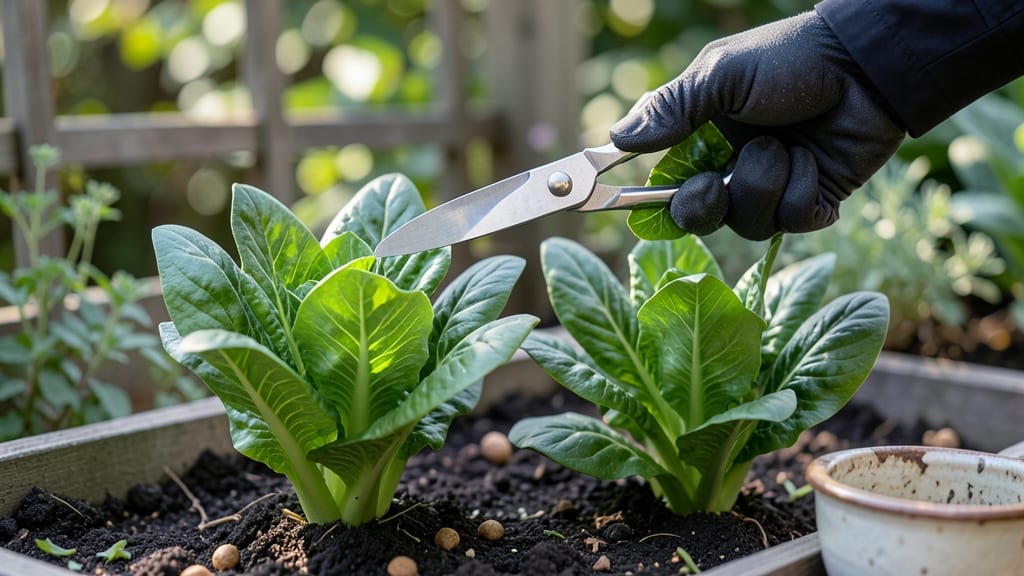
Harvesting romaine lettuce so it keeps growing means cutting just the outer leaves while leaving the inner core intact — the trick to weeks of fresh, crisp greens without bolting or stunting your plant.
Picture this: you’ve nurtured your 🥬 for weeks, and now the outer leaves are perfect for a salad. But instead of pulling the whole head, you snip just the largest leaves, leaving the rest to regrow. That’s the cut-and-come-again method in action, and it’s your secret to a never-ending harvest.
Timing and technique matter more than you’d think. Cut leaves when they’re 6-8 inches tall and fully crisp, always leaving the inner leaves untouched. Too aggressive, and your romaine will bolt; too lazy, and you’ll miss the sweet spot for regrowth. I’ll show you exactly how to balance it.
Beyond the knife work, soil nutrients and watering play a starring role. A little high-nitrogen fertilizer after each harvest keeps your romaine lush, while consistent moisture prevents bitterness. By the end, you’ll know when to push for more leaves—and when to let the plant rest before the next round.
Step-by-step cut-and-come-again harvesting for romaine lettuce
Romaine lettuce thrives when you use the cut-and-come-again method, which lets you harvest leaves repeatedly without killing the plant. This technique works best when your romaine reaches 6-8 inches tall with 4-6 mature outer leaves.
The key is cutting strategically to leave the inner core intact, so new growth can emerge. I’ve harvested romaine this way for three consecutive seasons, extending my harvest by 4-6 weeks beyond the typical lifespan.
Timing is everything—harvest in the morning after dew dries to avoid soggy leaves that invite rot. Use sharp scissors or pruning shears (cleaned with rubbing alcohol) to make precise cuts. Never pull leaves by hand, as this can damage the plant’s delicate stem.
I’ve also found that harvesting on cloudy days reduces stress on the plant, helping it recover faster for the next round of growth.
Here’s my proven 5-step method for harvesting romaine without stunting regrowth:
Harvest only when outer leaves reach 6-8 inches tall and are dark green and crisp. Smaller leaves won’t regrow as vigorously, and over-harvesting can stress the plant.
Grab clean, sharp scissors (or a knife) to avoid crushing stems. Dull tools cause jagged cuts that slow regrowth. I keep a small bottle of rubbing alcohol nearby to sterilize tools between cuts.
Make a 45-degree angle cut just above the outer leaf collar (where the leaf meets the stem). Leave the inner core intact—this is where new growth emerges. Avoid cutting into the center stem.
After cutting, water deeply to replenish moisture lost during harvest. Follow up with a light nitrogen fertilizer (like fish emulsion) to encourage leafy regrowth. I use a 5-10-10 NPK ratio to keep the focus on foliage.
One common mistake I see is cutting too close to the center, which exposes the heart and invites pests or rot. Another is harvesting too frequently—stick to a 2-3 week interval between cuts to let the plant recover.
In my garden, romaine harvested this way produces 3-4 rounds of leaves before I opt for a full harvest.
For container-grown romaine, reduce spacing between cuts to 3-4 weeks since roots have less room to recover. In ground plants can handle the 2-week window better due to their larger root systems. I’ve even seen romaine in partial shade regrow slower but still produce 2-3 harvests with proper care.
Pro tip: Rotate your harvesting direction each time (e.g., cut from the north side first, then east, then west). This encourages even growth and prevents the plant from leaning. I mark my plants with toothpicks to track which leaves I’ve harvested, ensuring I don’t miss a spot.
If your romaine starts to bolt (shoot up a flower stalk), it’s time to stop cut-and-come-again harvesting. Bolting usually happens when days get longer or temps rise above 80°F (27°C).
At this stage, harvest the entire plant for seeds or compost. I’ve saved seeds from bolted romaine to replant the following spring!
With this method, you’ll enjoy fresh romaine for months instead of just a few weeks. The first harvest might be smaller, but each subsequent round yields bigger, healthier leaves as the plant matures. Happy harvesting—your garden (and salads!) will thank you. 🥬✂️
Pro tips to maximize regrowth after harvesting romaine lettuce
After harvesting your romaine using the cut-and-come-again method, the real work begins. Your plant needs immediate attention to bounce back and keep producing those crisp, dark green leaves. The first 48 hours are critical—skip this step, and you risk bolting or stunted growth.
I’ve learned the hard way that rushing post-harvest care leads to bitter, tough leaves instead of the tender greens we crave.
Start with a light feeding of high-nitrogen fertilizer right after harvesting. Use a 5-10-10 NPK ratio and apply it to the soil surface, then water it in. This gives your romaine the quick boost it needs to recover and start new growth.
Think of it like giving your plant a post-workout protein shake—it’s all about replenishing what was lost during harvest.
- Cutting too close to the base—always leave 1-2 inches of growth to protect the inner core.
- Harvesting in extreme heat (above 80°F) causes bolting—opt for morning harvests in summer.
- Overcrowding new growth by not thinning—space leaves 3-4 inches apart for airflow.
- Ignoring soil moisture after harvest—dry soil stresses plants and triggers bitterness.
Next, adjust your watering schedule to prevent stress. Romaine lettuce thrives on consistent moisture, but overwatering can lead to root rot. Water deeply in the morning to give the soil time to dry slightly before nightfall.
Aim for 1 inch per week, and use a moisture meter if you’re unsure—your goal is damp, not soggy, soil. Mulching with straw helps retain moisture and keeps roots cool.
Sunlight plays a surprising role in regrowth. While romaine loves partial shade, too much direct sun after harvest can stress the plant. If your garden gets intense afternoon sun, consider a light shade cloth (30-50% shade) for the first week post-harvest.
This mimics the natural shade of taller plants and prevents bolting. Trust me, this small tweak can extend your harvest season by weeks.
Watch for signs of stress like yellowing leaves or slow regrowth—these often mean your plant needs more nutrients or better conditions. If you notice bolting (tall flower stalks), it’s too late for regrowth, but you can save seeds or compost the plant.
To avoid this, always harvest when leaves are 6-8 inches tall and never let the plant flower.
Finally, rotate your harvesting direction each time. Cutting from different angles prevents uneven growth and keeps the plant balanced. This simple trick ensures your romaine stays compact and produces uniform leaves. With these tips, you’ll enjoy weeks of fresh harvests from a single planting—no sad stumps in sight!