
Vegetables
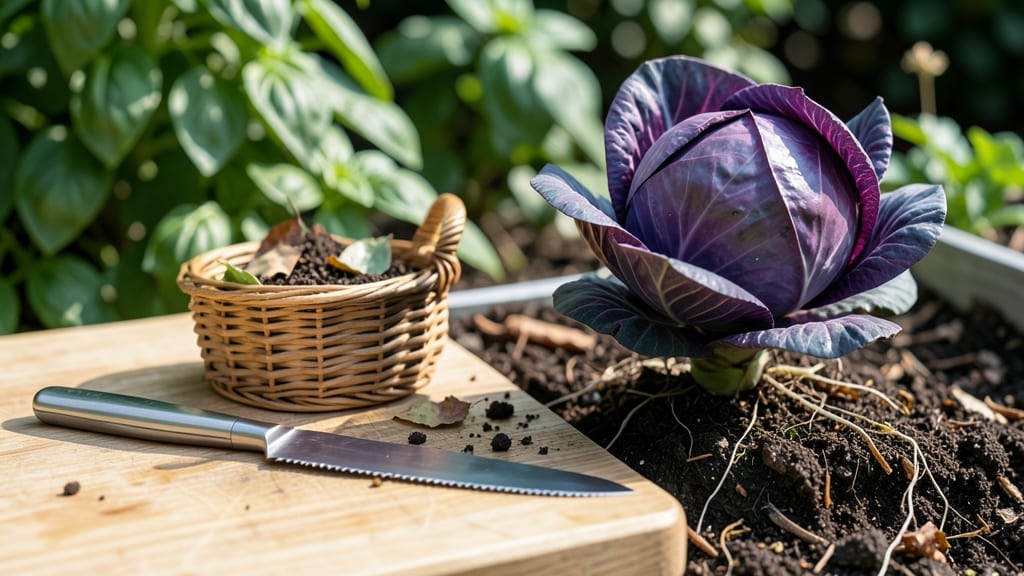
Harvesting purple cabbage at the right time means deep purple 🥬 heads packed with flavor, not bitter, loose leaves.
Most gardeners miss the window because they wait too long for the perfect size—only to find their cabbage turning greenish-yellow and tough. The secret? Watching for that color shift from vibrant purple to pale edges, which signals it’s past its prime.
In Zone 6a, spring-planted purple cabbage is ready by mid-June, while fall crops hit their sweet spot in October. But don’t rely on dates alone—firmness, head density, and even the stem’s thickness are just as important.
Below, I’ll walk you through the exact visual cues, seasonal adjustments, and how to test readiness without guessing. No more wasted effort or compromised flavor!
Purple cabbage color shift stages: the exact visual guide to harvest time
One of the most rewarding aspects of growing purple cabbage is watching its color transformation from deep violet to pale green. But this shift isn't just visually stunning—it's your harvesting cue. The moment the outer leaves start turning yellowish-green, your cabbage is ready for the table.
Understanding these color stages ensures you pick your cabbage at its peak flavor and crisp texture.
Light exposure plays a crucial role in this process. Full sun accelerates the color change, while partial shade can slow it down. In cooler climates, the transition might take 10-14 days longer than in warm regions.
Pay close attention to these visual clues, as harvesting too early means underdeveloped heads, while waiting too long results in bitter, woody leaves.
| Stage | Color Description | Days to Harvest | Flavor & Texture | Action |
|---|---|---|---|---|
| Early Purple | Deep violet-blue | 60-70 days | Mild, tender | Monitor growth |
| Mid-Purple | Rich purple with slight green edges | 75-85 days | Balanced sweetness | Check firmness |
| Late Purple | Deep purple core, green outer leaves | 90-100 days | Peak flavor, crisp | Harvest now! |
| Overripe | Pale yellow-green | 100+ days | Bitter, tough | Avoid harvesting |
The early purple stage (60-70 days) is when your cabbage heads are still tightly wrapped in deep violet-blue leaves. At this point, the flavor is mild and tender, but the heads may not be fully developed.
This is the time to monitor growth closely, especially if you're growing heirloom varieties like 'Purple Magic,' which mature slightly slower.
By the time you reach the mid-purple stage (75-85 days), the outer leaves begin showing green edges while maintaining a rich purple core. This is where the flavor sweetens and the texture becomes crisp yet flexible.
Run your fingers over the head—it should feel firm and dense without any soft spots. If the leaves start separating slightly, it's a sign the head is nearing readiness.
Your ideal harvest window arrives at the late purple stage (90-100 days), where the core remains deep purple but the outer leaves turn greenish-yellow. This is when the flavor reaches its peak, offering a sweet, slightly peppery taste with crisp, juicy leaves.
The head should be compact and heavy for its size, indicating it's fully hydrated and ready for harvest.
If you miss this window and the cabbage enters the overripe stage (100+ days), the leaves will turn pale yellow-green, the texture becomes woody and tough, and the flavor shifts to bitter.
The head may also split open or develop loose layers. While you can still use overripe cabbage in cooked dishes, it won't be as enjoyable raw or lightly steamed.
Pro tip: For extended harvests, consider planting successive crops every 2-3 weeks. This ensures a steady supply of fresh purple cabbage throughout the growing season.
Also, partial harvesting is possible—you can trim outer leaves while leaving the core to regrow, though this may reduce the overall size of the head.
Light exposure is key to timing. Full sun (6+ hours daily) speeds up the color shift, while partial shade can delay it by 1-2 weeks. In hot climates, the transition may happen faster, so keep an eye on your plants during peak summer months.
Conversely, in cooler regions, the process slows down, giving you more time to monitor the stages.
Remember, the color shift is your best friend when determining harvest time. Once you recognize the deep purple core with green outer leaves, grab your sharp knife and harvest within the next 24 hours for the best results. Your garden will thank you with a bountiful, flavorful harvest!
How to test purple cabbage readiness without relying on color alone
Color isn’t always the best indicator for harvesting purple cabbage—especially if your garden faces partial shade or temperature swings. Instead, focus on tactile tests that reveal true readiness. For example, a firm head with tightly packed leaves is a surefire sign, even if the outer leaves lose some vibrancy.
I’ve found that leaf firmness and head density are far more reliable than color alone. A mature purple cabbage should feel solid when gently squeezed—like a baseball—not spongy or hollow. This method works especially well for varieties like 'Red Express', which can mature unevenly in cooler climates.
Temperature also plays a critical role. In Zone 6a, spring-planted cabbage may reach harvest readiness 2-3 weeks earlier than fall crops due to warmer soil temperatures. Meanwhile, varieties like 'Purple Magic' often mature faster in consistent 60-70°F conditions, so adjust your expectations based on your local climate.
⚠️ Overlooking the Stem Snap Test?
The stem snap test is your secret weapon for accuracy. Hold the stem near the base and bend it slightly—if it snaps cleanly with resistance, your cabbage is ready. A flexible or mushy stem means it needs more time. This test works for all varieties, including 'Red Express' and 'Purple Magic'.
For head density, gently press the outer leaves—ready cabbage heads should resist compression and feel heavy for their size. If the head feels light or the leaves separate easily, it’s not quite there yet. This is especially useful for fall harvests, where cooler nights can slow maturation.
Variety matters too. 'Red Express' typically matures in 60-70 days and benefits from the stem snap test, while 'Purple Magic' can take up to 90 days and may need extra time in cooler regions. Always cross-reference your tests with the days-to-maturity label to avoid overestimating readiness.
Finally, check the stem diameter. A mature purple cabbage should have a stem about 1 inch thick at the base. Thinner stems often mean the head isn’t fully developed, while overly thick stems can indicate overmaturity. Combine this with the leaf firmness test for the most accurate results.
By mastering these tactile and structural tests, you’ll harvest purple cabbage at its peak—crisp, flavorful, and vibrant—without relying on color alone. Happy harvesting! 🥬