
How To
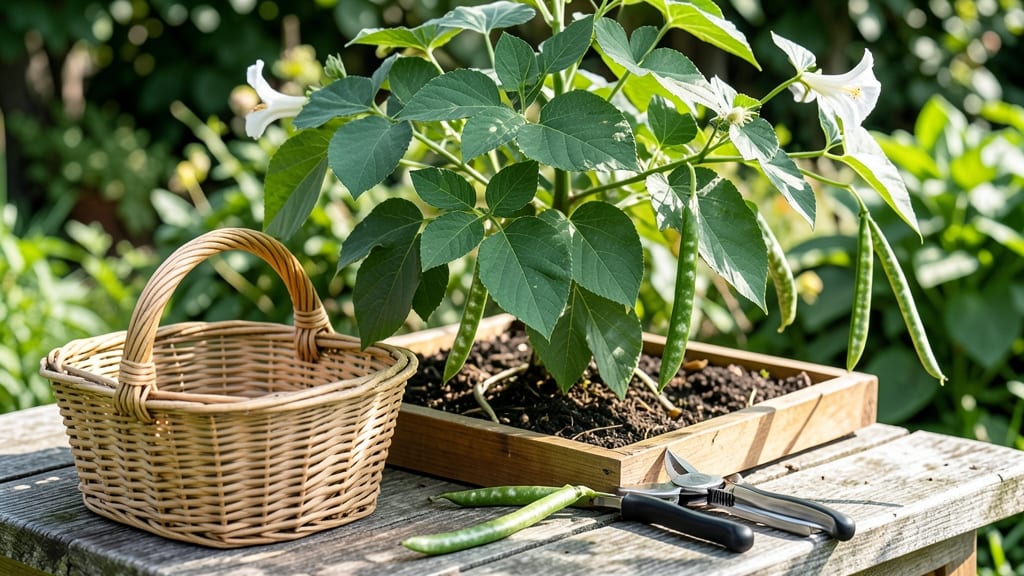
Harvesting dragon tongue beans 🌱 at the right time means the difference between sweet, crisp pods and tough, bland ones — that perfect window opens when the pods shift from green to purple and reach 4-6 inches long.
Picture this: you’ve nurtured your plants all season, and now the moment of truth arrives. One wrong move, and you’ll miss the peak flavor that makes these beans worth growing. The secret isn’t just timing—it’s knowing the subtle cues that tell you exactly when to pick.
Most gardeners focus on size, but the real game-changer is the color shift. That vibrant purple hue isn’t just for show—it signals the beans are at their sweetest. Ignore it, and you’ll end up with overripe pods that snap back like rubber bands.
In this guide, I’ll walk you through the visual and tactile signs of readiness, common mistakes to avoid, and how to store your harvest so it stays fresh longer. Ready to turn your garden into a flavor factory?
How to identify the perfect harvest time for Dragon Tongue beans
Dragon Tongue beans are a gardener’s secret weapon—packed with sweet, crisp flavor when harvested at the right moment. Unlike traditional green beans, these beauties start bright green but develop a stunning purple hue as they mature.
The key is catching them in that 4-6 inch window before they toughen or seed. I’ve learned the hard way that waiting too long turns these gems into woody, flavorless sticks—so let’s dive into the exact cues to watch for.
First, pay attention to the pod length. When pods reach 4-6 inches long, they’re typically ready for harvest. This is their peak sweetness stage, where the texture remains crisp and tender.
If you’re unsure, compare them to a standard ruler or credit card—they should align closely with these measurements. Skipping this step means missing out on the best flavor window, which lasts only a few days.
Color is your next clue. Dragon Tongue beans start vibrant green but develop purple streaks or tips as they mature. For peak flavor, harvest when the pods are still mostly green with minimal purple. If you see deep purple dominating, the pods are overripe and will be tough and stringy. Think of it like a traffic light system: green means go, purple means stop.
Now, let’s talk texture and sound. A ready-to-harvest pod should feel firm and crisp when you gently squeeze it. If it gives slightly or feels mushy, it’s past its prime. Another trick? Give the pod a light bend test.
If it snaps cleanly, it’s perfect. If it bends without breaking, it’s still too young. This tactile check is my favorite quick test—no tools required!
Seed development is the final piece of the puzzle. When pods are ready, the seeds inside should be small and undeveloped. If you can see or feel large, plump seeds, the pod has passed its prime. Overripe beans will have seeds that fill most of the pod’s length, leaving little room for that prized tender texture. Pro tip: Cut open a pod to peek inside if you’re still unsure.
| Stage | Pod Length | Color | Texture | Seed Stage | Action |
|---|---|---|---|---|---|
| Too Early | Under 3 inches | Bright green | Soft, flexible | No visible seeds | Wait 3-5 days |
| Perfect Harvest | 4-6 inches | Mostly green | Firm, crisp | Small, undeveloped | Harvest immediately |
| Overripe | 6+ inches | Purple dominant | Tough, woody | Large, plump | Discard or dry seeds |
Timing is everything with Dragon Tongue beans, so harvest frequency matters. These pods mature quickly, so check your plants every 2-3 days during peak season (July-September). Regular harvesting encourages more production—the plant will keep giving if you stay on top of it.
I like to harvest in the morning after dew dries for the freshest flavor and crispest texture.
Don’t overlook the weather’s role in harvest timing. Hot, dry days can speed up maturation, while cooler weather may slow it down. If you notice pods ripening faster than expected, increase your harvest frequency.
Conversely, if they’re taking longer, give them a few extra days. Consistency is key—your plants will thank you with a bountiful yield.
One common mistake I see is harvesting by color alone. While the purple hue is iconic, it’s the texture and length that truly matter. A pod might look purple but still be crisp and tender—don’t dismiss it!
Conversely, a green pod could be overripe inside if it’s too long or mushy. Always combine all cues for the best results.
Finally, once you’ve mastered the harvest, store your beans properly to preserve that fresh-picked flavor. Keep them in the fridge for up to 5 days or blanch and freeze for long-term storage.
The sooner you use them after harvest, the better they’ll taste—so plan your meals around your garden’s bounty! 🌱
Dragon Tongue bean harvesting mistakes to avoid (and how to fix them)
Even experienced gardeners can make critical errors when harvesting Dragon Tongue beans that turn sweet, crisp pods into tough, flavorless ones. The most common mistake? Harvesting at the wrong maturity stage.
Many pick too early for a "baby" bean texture, but miss the peak sweetness that comes with proper development.
Another frequent oversight is ignoring weather conditions before harvesting. Rain-soaked pods lose crispness quickly, while harvesting during peak heat can cause wilting. Even the way you handle the pods after picking affects their shelf life and flavor retention.
Let me show you exactly what goes wrong—and how to fix it before your harvest suffers. These simple adjustments can mean the difference between a disappointing meal and a flavor explosion in your kitchen.
⚠️ Critical Harvest Timing Alert
Dragon Tongue beans must be harvested when pods are 4-6 inches long and show purple streaks along the seams. This color shift signals peak sweetness—waiting longer means tough pods and shriveled seeds.
Fix: Check pods every 2-3 days during the 60-75 day growth window. Use a ruler to measure length—this prevents guesswork!
Harvesting too early (before pods reach 4 inches) gives you small, underdeveloped beans with mild flavor.
The pods will be tender but lack the crisp snap and sweetness that makes Dragon Tongue beans special. Overripe pods, on the other hand, develop thick walls and tough fibers, making them nearly inedible.
Weather plays a sneaky role too. If you harvest after heavy rain, pods absorb excess moisture and become mushy. Always pick on dry mornings when pods are firm and crisp. Store harvested beans in a paper bag in the fridge for up to 5 days to preserve freshness.
Improper handling can also ruin your harvest. Twisting pods off the vine damages the plant and leaves jagged edges on the bean. Instead, use clean pruning shears or pinch pods gently at the stem. This keeps the plant healthy and your beans looking restaurant-quality.
Finally, don’t ignore plant stress signs. If your Dragon Tongue beans start dropping pods prematurely, they may be overcrowded or nutrient-deficient. Thin plants to 3-4 inches apart and feed with balanced fertilizer every 4-6 weeks during peak growth.