
How To
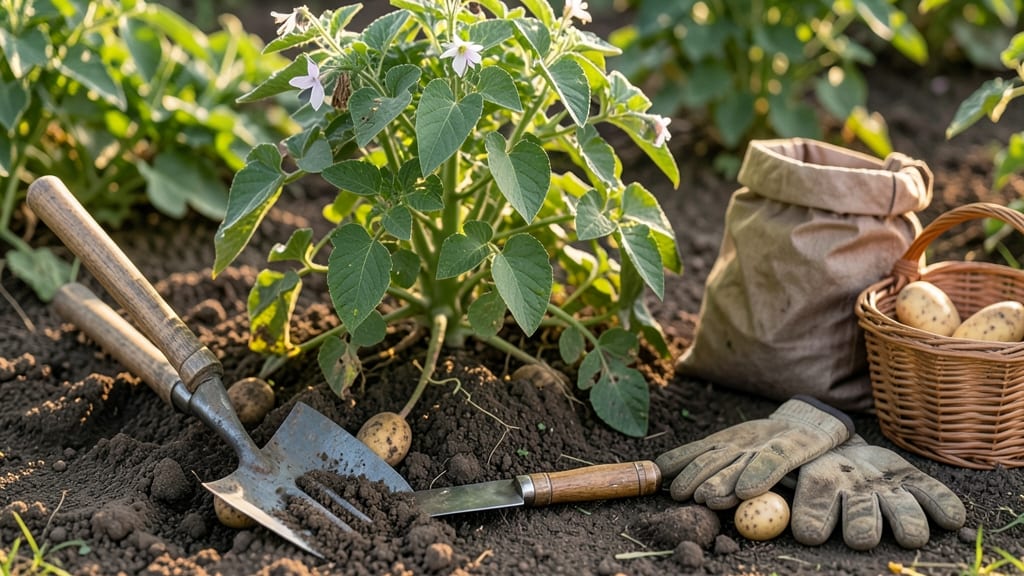
Harvest potatoes in Texas when soil temperatures hit 50–60°F and plants show yellowing leaves—timing this right means the difference between crisp, flavorful tubers and mealy, underdeveloped ones.
Texas gardeners know that waiting too long can turn your potatoes into shrivel-prone relics, while digging too early leaves you with tiny, starchy nubs. The key? Watching for blooms and skin firmness—signs that tell you the perfect moment to pull them from the earth.
North Texas growers should aim for April–June, while South Texas gardeners can harvest their fall crop between November and December. But heat and drought can throw off these windows, so knowing the right cues keeps your crop from turning to mush in the Texas sun.
In this guide, I’ll break down the exact soil temps, plant signals, and regional tweaks you need to dig up perfect potatoes—every time—plus how to store them so they last through the summer heat.
Texas-specific soil temperature triggers for potato harvest
Understanding soil temperature triggers is the secret to harvesting perfectly mature potatoes in Texas. Unlike cooler climates, Texas gardeners must account for regional heat variations that drastically affect tuber development.
The ideal soil temperature range for potato harvest is between 50-60°F, but achieving this window depends heavily on whether you're in North Texas or South Texas.
North Texas gardeners typically experience cooler spring temperatures that align better with traditional potato harvest windows. However, South Texas's prolonged heat often forces gardeners to adjust planting and harvesting strategies.
Early varieties like 'Yukon Gold' may reach harvest readiness sooner, while late varieties like 'Russet' require careful timing to avoid heat stress that turns tubers tough and woody.
Here’s how Texas’s two distinct heat zones impact your harvest timing:
| Region | Ideal Soil Temp for Harvest | Best Harvest Months | Early Varieties Ready | Late Varieties Ready |
|---|---|---|---|---|
| North Texas | 50-60°F (April-May) | April-June | Late April | Late May-June |
| South Texas | 50-60°F (October-November) | November-December | Early October | Late November |
| Both Regions | Avoid harvesting above 70°F | N/A | Early varieties: 60-70 days | Late varieties: 90-120 days |
In North Texas, where spring arrives earlier, you can start harvesting early varieties as soon as soil temperatures drop to 60°F in April. This typically aligns with late April to early May, giving you a jumpstart on the season.
For late varieties, wait until soil temperatures stabilize below 65°F, usually around late May to June.
South Texas gardeners face a different challenge: extreme summer heat makes spring planting risky. Instead, focus on fall planting for a harvest window between October and December. Soil temperatures in South Texas rarely drop below 60°F until late October, so plan accordingly.
Early varieties like 'Red Pontiac' may be ready by early October, while late varieties like 'Kennebec' should be harvested by late November.
Monitoring soil temperature is critical—use a soil thermometer to avoid guesswork. In Texas’s heat, soil can stay 10°F warmer than air temperature, especially in dark, organic-rich beds. If your soil exceeds 70°F, tubers may develop sweet, grainy textures or even sprout prematurely.
To combat this, use shade cloth or mulch heavily to regulate temperature.
For container-grown potatoes, timing becomes even more precise. Containers heat up faster, so aim to harvest when soil temps are 55-60°F, often a week earlier than in-ground potatoes.
Choose heat-tolerant varieties like 'Sweet Potato' (yes, it’s a potato!) or 'Adirondack Red' for better success in South Texas heat.
Pro tip: If you’re unsure about soil temperature, check the plant’s signals. When flowers bloom and lower leaves yellow, it’s time to dig—regardless of temperature. But always confirm with a soil check to ensure tubers are fully mature and skin-set.
Texas’s variable climate means no two harvests will be identical. Adjust your approach based on local microclimates, variety selection, and soil conditions. With the right timing, you’ll enjoy homegrown potatoes that rival store-bought—crisp, flavorful, and perfectly harvested.
How to tell when potatoes are ready to harvest (without guessing)
Don’t let Texas’ unpredictable weather fool you—harvesting potatoes at the right moment ensures you get crisp, flavorful tubers instead of mealy or shriveled ones. The key is watching for three critical signs that tell you it’s time to dig.
First, your potato plants will start showing yellowing leaves from the bottom up, signaling the plant is redirecting energy to the tubers below.
Next, you’ll notice small white or purple flowers blooming on the plant—this is nature’s way of telling you the tubers are maturing fast. Finally, the skin of the potatoes will toughen up, resisting pressure when you gently press them with your thumbnail.
But here’s the Texas twist: heat stress or drought can speed up these signs, so don’t wait too long!
One Texas-specific challenge is heat stress, which can cause potatoes to mature faster than expected. If your plants look wilting or scorched despite regular watering, they’re signaling it’s time to harvest—even if the leaves aren’t fully yellow.
Similarly, prolonged drought can trick you into thinking tubers are ready when they’re actually stunted.
To avoid digging too late, set a harvest reminder 2-3 weeks after flowers appear. In North Texas, this usually lands in late April to early June, while South Texas gardeners should harvest their fall crop between November and December.
Pro tip: Use a garden fork to gently loosen soil around the plant before pulling—this protects the tubers from bruising.
Once you’ve dug up your potatoes, let them cure in the sun for a few hours to toughen their skins before storing. This step is especially important in Texas’ humid climate, where uncured potatoes spoil faster.
Store them in a cool, dark place (50-60°F) to keep them fresh for months.
Mastering these signs ensures you’ll always harvest perfect potatoes—no more guessing, no more wasted crops. Happy digging! 🥔