
Vegetables
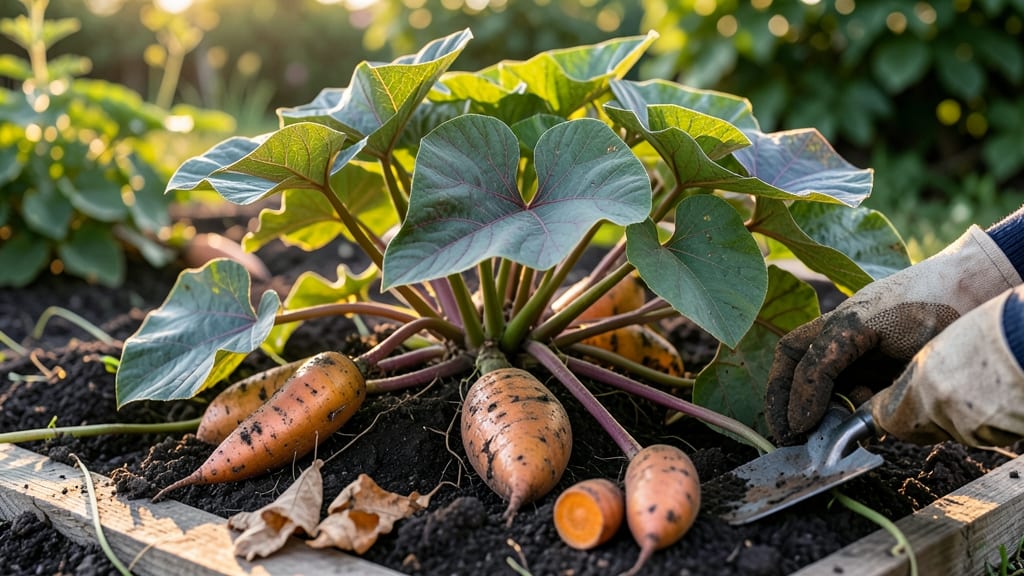
Harvesting sweet potatoes in Texas at the right time means the difference between perfectly sweet tubers and mealy, underdeveloped ones.
Texas gardeners know sweet potatoes thrive in the Lone Star State—but harvesting too early or late can ruin your crop. A soil thermometer is your secret weapon, revealing when roots are ready to pull before frost or heat stress sets in.
Most varieties need 90-140 days to mature, but Texas’ heat zones complicate timing. North Texas gardeners face earlier frost risks, while South Texas growers must watch for soil drying out by late fall. The key? Check soil temps between 60-65°F and look for yellowing vines and toughened skin.
Below, I break down the exact window for your region, how to read your plants’ readiness signals, and storage tricks to keep your harvest fresh through the holidays.
Texas-specific sweet potato harvest timing based on soil temperature
Harvesting sweet potatoes in Texas isn't just about days after planting—it's about soil temperature. The ideal range for peak flavor and texture is 60-65°F at a 4-inch depth. When soil cools below this, your tubers develop woodier textures and less sweetness.
Texas' diverse climate means North Texas gardeners face earlier frost risks, while South Texas can extend harvests later into fall.
Your planting date also shifts the harvest window. Early spring plantings (March-April) typically hit harvest by October-November, while summer plantings (June-July) may extend until December. The key is monitoring soil temperature trends rather than relying solely on calendar dates.
A soil thermometer becomes your best friend in Texas' unpredictable heat waves and sudden cold snaps.
| Texas Region | Ideal Harvest Window | Soil Temp Trigger | Key Signs |
|---|---|---|---|
| North Texas (Dallas/Fort Worth) | Mid-October to early November | 60-65°F (4" depth) | Vines yellowing, skin tough |
| Central Texas (Austin/San Antonio) | Late October to mid-December | 60-65°F (4" depth) | 4-6" tubers, brown vines |
| South Texas (Houston/Corpus Christi) | November to January | 60-65°F (4" depth) | Vines fully dried, skin hard |
| Early Spring Planting | 90-120 days after planting | 60-65°F (4" depth) | First frost warning |
| Summer Planting | 120-140 days after planting | 60-65°F (4" depth) | Vines die back naturally |
For North Texas gardeners, the first frost date (typically December 1) sets your deadline. If your soil temperature drops below 60°F before harvest, your sweet potatoes will develop chilling injuries like pitting and off-flavors. In Central Texas, you've got more flexibility—aim to harvest before November 15 to avoid quality loss.
South Texas growers can push harvests later, but watch for unseasonable cold fronts that can sneak in as early as October.
Don't rely on vine color alone—soil temperature verification is crucial. I've seen vines yellow prematurely in 90°F+ soil during Texas heat waves, tricking gardeners into early harvests.
Always check your soil thermometer before digging. The 4-inch depth reading gives you the most accurate picture of what your tubers are experiencing.
Early plantings benefit from Texas' long growing season but require earlier harvest attention. If you planted in March, start monitoring soil temps in late September.
Late plantings (June-July) can wait until November, but watch for vines drying naturally—this is your body's signal that the tubers have reached maturity. The skin toughness test (try piercing with a fingernail) works best when combined with soil temperature data.
One Texas-specific trick is using black plastic mulch to extend harvest windows. This keeps soil temperatures 5-10°F warmer than bare soil, giving you 2-3 extra weeks of harvest time in cooler regions.
In South Texas, where heat persists longer, this technique helps prevent premature vine dieback from extreme heat stress. Always remove mulch 2 weeks before harvest to avoid bitter flavors from ethylene buildup.
Remember that Texas heat affects harvest timing differently than cooler climates. While Northern gardeners might harvest at 120 days, South Texas growers can safely extend to 140 days without quality loss.
The soil temperature becomes your most reliable indicator—when it consistently reads 60-65°F at 4 inches deep for 3-5 days, that's your harvest window. Use a soil thermometer at morning and evening to track trends accurately.
Pro tip: Keep a harvest journal tracking soil temperatures, planting dates, and actual harvest days. Over time, you'll notice patterns specific to your Texas microclimate. I've found that East Texas often runs 10-14 days earlier than West Texas due to humidity differences.
Documenting these variations helps you refine your timing each season for perfectly sweet tubers every time.
When in doubt, harvest a test tuber from the edges of your bed. If it's 4-6 inches long with tough skin, you're ready. If it's small and soft, wait another week.
Texas gardeners who master this soil temperature approach consistently grow sweet potatoes with superior flavor and texture compared to calendar-based harvests.
How to use a soil thermometer to avoid common harvest mistakes in Texas
A soil thermometer is your best tool for timing sweet potato harvests in Texas. Unlike air temperature, soil temp reveals when roots are ready to pull—critical for avoiding mealy tubers or frost damage.
Most gardeners miss the window because they rely on vine color alone, but soil temp gives you the precise data you need.
Sweet potatoes mature best when soil temps stay between 60-65°F for at least 2 weeks. In Texas, this often means checking temps in October for North Texas or November for South Texas.
Early mornings (6-8 AM) are ideal for readings since afternoon heat skews results. Always take readings 2-3 inches deep—where the tubers form.
⚠️ callout-warning ⚠️
Overripe tubers in Texas soil (>70°F) become woody and dry. Underripe ones (<55°F) stay small and watery-tasting. Check soil temps weekly after 90 days—don’t wait for vines to fully die back!
Start by testing soil temps every 3-4 days once plants hit 90 days. If temps drop below 55°F, harvest immediately—even if vines aren’t yellowing. In South Texas, where soil stays warm longer, wait until temps hit 60°F consistently for 5 days.
Pro tip: Adjust mulch (straw or black plastic) to regulate soil temp if readings are erratic.
Look for three key signs alongside soil temps: yellowing vines, skin toughness (resists fingernail puncture), and 4-6 inch tubers. In North Texas, combine these with a frost watch—harvest before temps dip below 40°F.
Dig a test tuber at 60°F soil temp to confirm readiness. If it’s small or watery, wait 3-5 days and recheck.
For late-season adjustments, use row covers to extend harvest by 2-3 weeks in cooler areas. In South Texas, where heat lingers, prioritize soil moisture—dry soil speeds up tuber maturation.
Always harvest on dry, sunny days to prevent rot. Cure harvested tubers at 80-85°F for 10 days to develop sweetness.
Mastering your soil thermometer turns guesswork into perfectly timed harvests. Keep a log of temps and harvest dates—this helps refine timing for next year’s crop. With practice, you’ll nail the sweet spot between 60-65°F every season, even in Texas’ unpredictable climate. 🍠