
How To
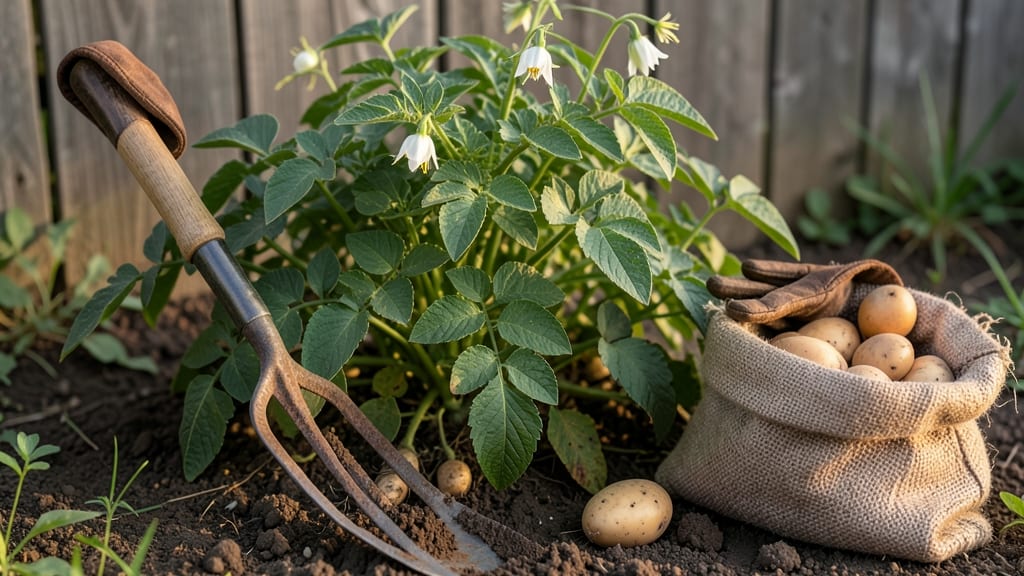
Harvest potatoes in Missouri when the foliage yellows and soil warms to 55°F—the sweet spot for peak flavor and storage life.
Missouri gardeners know timing is everything—harvest potatoes too early, and you’ll miss out on flavor and yield; too late, and your spuds turn to mush. The secret? Watch for yellowing foliage and soil temperatures that hit 55°F before digging.
In USDA zones 5b-6b, that usually lands between late July and early September, depending on your variety and weather. Early-season types might be ready by July, while late varieties can wait until September—but never let the tops die back completely.
Below, I’ll break down the exact cues to look for, how to test soil readiness, and why harvesting at the right time makes all the difference for storage and taste.
How to tell when potatoes are ready to harvest in Missouri’s climate
Missouri’s short growing season demands precision when harvesting potatoes. Unlike other regions, our variable spring and fall temperatures can trick even experienced gardeners into digging too early or too late.
The key is combining visual cues from the plant with soil temperature checks—both must align before you grab your fork.
Start by watching your potato plants for yellowing foliage and wilted stems. This natural die-back signals maturity, but don’t rush—Missouri’s 55°F soil temperature threshold is non-negotiable. Cold soil can leave tubers vulnerable to rot, while waiting too long risks shriveled, woody potatoes. Balance is everything in our climate.
Here’s what to watch for in Missouri’s late summer to early fall harvest window (typically July-September):
| Harvest Indicator | Missouri-Specific Details | Action Required |
|---|---|---|
| Foliage Color Change | Leaves turn yellow-brown and crispy (not just wilted) | Wait 1-2 weeks after full yellowing for mature potatoes |
| Flower Stalks | Flowers brown and die back (common in July-August) | Harvest new potatoes when flowers appear (small tubers) |
| Soil Temperature | Must stay above 55°F consistently (use soil thermometer) | Dig when temps hold 55°F+ for 3+ days (prevents rot) |
| Tuber Size | New potatoes: 2-3" diameter; mature: 4-6" | Gently squeeze—ready tubers feel slightly soft (not mushy) |
| Skin Condition | Skin resists pressure when pinched (no green spots) | Harvest before first frost (typically mid-October) |
Missouri’s USDA Zones 5b-6b mean your harvest timing can shift by weeks depending on your location. Northern regions (like St. Joseph) may need to harvest by early September, while southern areas (like Sedalia) can wait until October.
Always check a 7-day forecast—a sudden cold snap can ruin your crop overnight.
For new potatoes, dig when tubers reach 2-3 inches in diameter—usually 60-70 days after planting. These baby spuds are perfect for boiling or roasting. But for storage potatoes, wait until the foliage is completely dead and the soil has warmed to 60°F+.
This ensures maximum starch development and longer shelf life.
Pro tip: Use a soil thermometer to monitor temperatures, especially in Missouri’s unpredictable fall weather patterns. If your soil drops below 55°F, cover your potato patch with straw mulch to maintain warmth. This simple trick can extend your harvest window by 1-2 weeks in cooler years.
Never harvest potatoes after the first frost—this triggers solanine buildup, making them bitter and toxic. In Missouri, this usually means mid-October at the latest. If you’re unsure, do a test dig: gently lift one corner of the hill and check a few tubers.
If they’re 2+ inches with browned stem ends, it’s time to harvest!
After digging, let potatoes cure in sunlight for 2-4 hours to toughen their skins. Then store them in a cool (40-50°F), dark, humid place like a root cellar.
Missouri’s variable humidity levels can cause rot, so avoid storing in damp basements. With proper timing, you’ll enjoy homegrown potatoes from July through winter!
🌱 Remember: Missouri’s short growing season means every day counts. Master these cues, and you’ll transform your potato patch from hit-or-miss to consistent harvests year after year.
Missouri-specific harvesting mistakes that ruin your potato crop
Missouri’s unpredictable weather—from sudden heatwaves to early fall frosts—can turn a great potato harvest into a disaster if you’re not careful. The most common mistake? digging too early because the foliage looks wilted, only to find small, underdeveloped tubers.
Other gardeners wait too long, letting the tops die back completely, which leads to shriveled, misshapen potatoes that store poorly.
Another critical error is ignoring soil conditions before harvesting. Missouri’s clay-heavy soils can stay cold longer, delaying tuber maturity. If you dig when the soil is still below 55°F, your potatoes won’t have developed fully, and they’ll be prone to rot or disease once stored.
Even worse, some gardeners harvest at the wrong time of day, leaving tubers exposed to sunlight, which turns them green and toxic.
⚠️ callout warning
- Digging too early (before foliage yellows fully) = small, starchy tubers
- Ignoring soil temps (below 55°F) = poor development and rot risk
- Letting tops die completely = shriveled, low-quality potatoes
- Exposing tubers to sunlight = green, toxic skin (solanine buildup)
- Storing potatoes with moisture = mold and spoilage in Missouri’s humid fall
One of the biggest oversights is not curing potatoes properly before storage. In Missouri’s humid climate, freshly dug potatoes need 10-14 days of curing in a dark, 55-60°F space with 85% humidity.
Skipping this step means your spuds won’t develop a protective skin, leading to rapid spoilage during winter storage. I’ve seen gardeners rush to store potatoes straight from the garden, only to lose their entire crop to soft rot within weeks.
Missouri’s variable weather also plays tricks on gardeners who plant late-season varieties too close to frost. If you’re growing Russet Burbanks or Kennebecs, aim to harvest before the first frost (usually mid-October).
Waiting too long risks frost-damaged tubers, which bruise easily and store poorly. Always have a backup harvest plan if early fall brings unexpected cold snaps.
Finally, poor storage conditions after harvest can undo all your hard work. Many Missouri gardeners make the mistake of storing potatoes in plastic bags or refrigerators, both of which trigger sugar buildup and spoilage.
Instead, use ventilated containers (like burlap sacks) in a cool, dark place (like a root cellar or garage). Check stored potatoes monthly for sprouting or rot, and remove any affected tubers immediately to prevent spread.
By avoiding these common mistakes—timing harvests correctly, curing potatoes properly, and storing them in ideal conditions—you’ll enjoy a bountiful, long-lasting potato harvest even in Missouri’s challenging climate. The key is patience and preparation, not rushing the process. 🌱