
How To
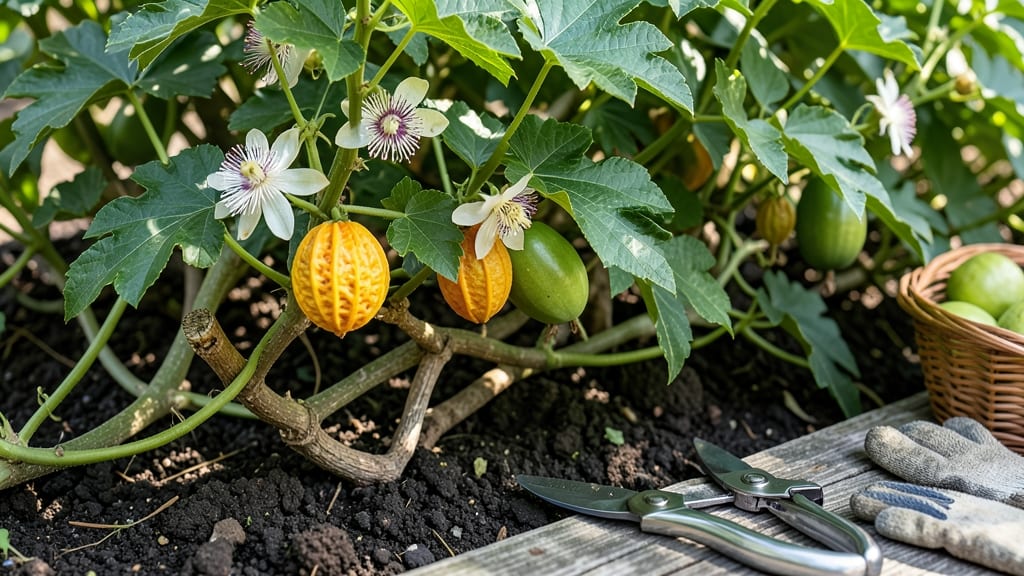
Harvesting passion fruit at the right time ensures sweet, juicy flesh instead of bitter disappointment — and it all comes down to three simple tactile checks.
Picture this: you twist a 🍈 off the vine, expecting a burst of tropical flavor, only to find it’s still sour or mealy. That’s the frustration of picking too early or too late. The good news? You can avoid it with just your fingers and eyes.
In tropical and subtropical regions like USDA zones 9b-11, passion fruit ripens year-round, but timing varies by variety. Purple varieties like Maracuja turn from green to deep purple, while yellow Granadilla shifts to golden hues.
The key? A slight give when squeezed and a stem that detaches with a gentle twist.
Below, I’ll walk you through those three foolproof tests, plus how to adjust for your local climate and avoid the most common mistakes that turn your harvest into a culinary flop.
3 Tactile tests to determine perfect passion fruit ripeness
Passion fruit vines produce delicate, aromatic fruit that rewards patience with bursting sweetness. But timing your harvest is everything—pick too early, and you’ll get bitter, seedy pulp; wait too long, and the flesh turns mealy and bland.
The key? Trust your senses over guesswork. These three tactile tests will help you identify the exact moment when your passion fruit is ready to harvest.
First, let’s address a common misconception: color alone isn’t enough. While yellow passion fruit (like Granadilla) turns golden when ripe and purple varieties (like Maracuja) deepen to brownish hues, overripe fruit can mimic these colors while tasting fermented or bland.
That’s why we rely on touch and feel—science-backed cues that eliminate guesswork and ensure maximum flavor.
Why tactile tests work: Passion fruit ripening triggers cell wall breakdown, making the skin softer and the fruit heavier for its size. These changes happen hours before color shifts fully, giving you a reliable early warning. Plus, the stem separation test reveals whether the fruit is naturally detaching or still clinging—a critical clue for avoiding premature harvests.
- 1. Color Evolution Check: Yellow varieties should shift from green to golden (like a ripe banana), while purple varieties turn brownish-red. 50-70% color change signals readiness.
- 2. Stem Separation Test: Gently twist the fruit at the stem. If it detaches easily (like a ripe avocado), it’s ready. Resistance means wait 1-2 days.
- 3. Fruit Give Test: Press gently but firmly on the fruit’s equator. It should yield slightly (like a soft tennis ball), not feel rock-hard or mushy.
Let’s break down the fruit give test further, as this is where most gardeners go wrong. A fully ripe passion fruit will slightly dent under gentle pressure but spring back—think of a peach at its peak.
If it doesn’t dent at all, it’s underripe. If it stays indented or feels squishy, it’s overripe. Pro tip: Test multiple fruits on the vine—ripening varies by 1-3 days even on the same plant.
For purple passion fruit (like Maracuja), watch for wrinkling near the stem—a tell-tale sign of ripeness. The skin may also develop a waxy sheen, but don’t rely on this alone. Combine it with the stem separation test for 100% accuracy.
Yellow varieties, meanwhile, rarely wrinkle; instead, focus on the golden hue and the fruit’s weight—a ripe one feels surprisingly heavy for its size.
Avoid the common mistake of harvesting based on size alone. Some passion fruit never reach 3 inches but are fully ripe at 2 inches. Overemphasizing size leads to underripe, bitter fruit. Instead, combine all three tests: color, stem separation, and fruit give.
For example, if a yellow fruit is golden but hard, wait 24 hours—it’s not ready yet. If it’s golden and soft, harvest immediately.
Timing your harvest also depends on your climate zone. In USDA zones 9b-11, passion fruit ripen year-round, but peak harvest occurs in late spring to summer (March-July).
In cooler subtropical zones (like parts of Florida or California), fruit may ripen slower and benefit from morning sun exposure to speed up ripening. If you’re in a shadier microclimate, prioritize the fruit give test over color cues.
One pro gardener’s trick is to harvest slightly early (when the fruit is 70% ripe) and let it finish ripening off the vine in a cool, dry place. This controls ripening and prevents overripe fruit from spoiling on the vine.
To do this, pick fruit that passes the stem separation test but isn’t fully golden/brown yet. Place it in a paper bag with a banana (the ethylene gas speeds up ripening) and check it daily.
Finally, never harvest passion fruit after a frost—even a light chill can turn the flesh mushy and flavorless. If frost is forecasted, pick all ripe fruit immediately and store it in the fridge to slow ripening.
And remember: one perfect harvest beats dozens of mediocre ones. Master these three tactile tests, and you’ll enjoy sweet, aromatic passion fruit every season.
Passion fruit harvest timing by variety: purple vs yellow
Choosing between purple Maracuja and yellow Granadilla passion fruit means understanding their unique ripening cues. Purple varieties develop a deep violet hue when ready, while yellow types turn golden or orange—both signals your fruit is nearing peak sweetness.
The timing difference isn’t just about color, though; it’s also about texture and flavor development.
Purple varieties like Passion Fruit Purple typically ripen 2-3 weeks earlier than yellow Granadilla types in ideal subtropical climates. This means you’ll often see purple fruit ready in late spring to early summer, while yellow varieties peak in mid-to-late summer.
However, these timelines shift slightly based on your USDA zone (9b-11) and local microclimate.
| Variety | Ripening Color Shift | Ideal Harvest Window | Flavor Profile | Post-Harvest Sweetness Peak |
|---|---|---|---|---|
| Maracuja (Purple) | Green → Deep Purple | Late Spring-Early Summer | Tart, tropical, slightly floral | 1-2 days after harvest |
| Granadilla (Yellow) | Green → Golden/Orange | Mid-to-Late Summer | Sweet, honey-like, less tart | 2-3 days after harvest |
Yellow Granadilla passion fruit often develop a softer texture when ripe, almost like a ripe peach, while purple Maracuja varieties maintain a slightly firmer skin.
This texture difference affects how you test for ripeness—yellow types yield more dramatically when pressed, while purple ones may feel slightly resilient but not hard.
Flavor-wise, purple varieties deliver a tart, tropical punch that’s perfect for juices or smoothies, while yellow Granadilla offers a sweeter, honey-like taste ideal for eating fresh. If you’re growing both, I recommend harvesting purple first to avoid overripe fruit while waiting for the yellow varieties to mature.
One pro tip: Harvest in the morning when temperatures are cooler. This preserves flavor and prevents the fruit from overripening on the vine. For both varieties, the fruit will continue to ripen slightly after picking, but waiting too long post-harvest can turn sweetness into mealy texture.
🍈 Whether you’re growing purple Maracuja or yellow Granadilla, the key is consistency—check your fruit every 2-3 days once it starts changing color. This way, you’ll always catch that perfect balance of sweetness and texture.