
How To
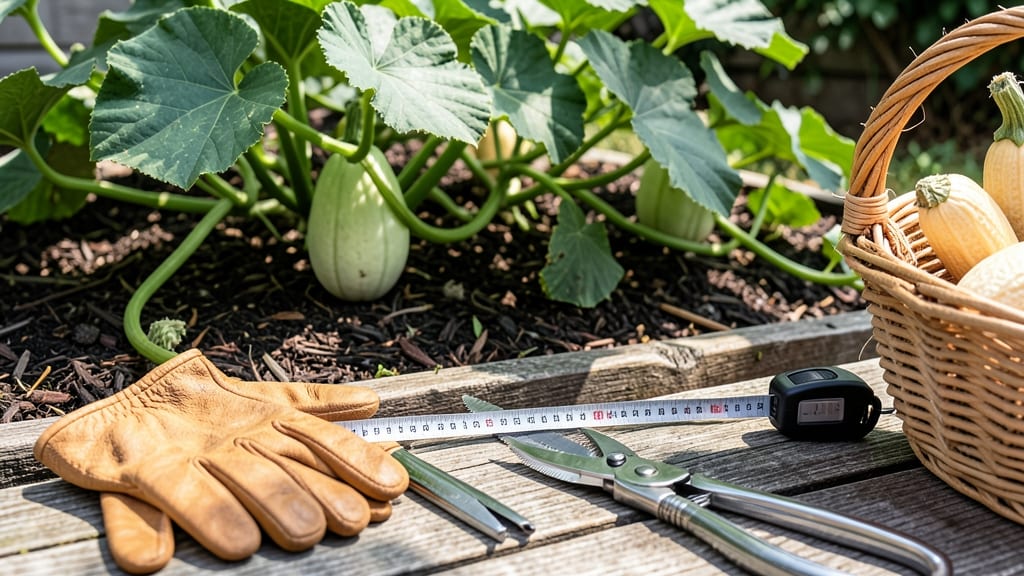
Harvesting birdhouse gourds at the right time ensures you get perfectly firm, durable gourds for crafting—so timing is everything.
Picture this: you’ve nurtured your 🎋 from seed, and now the moment of truth arrives. One wrong move, and you’re left with gourds that crumble when you try to carve them. That’s why knowing the exact signs of readiness—like skin hardness and color shifts—isn’t just helpful, it’s essential.
In Zone 6a, where frost can sneak in by late October, missing the window means wasted effort. But harvest too early, and your gourds won’t dry properly, leaving you with weak material for your birdhouse projects. The key? Three simple tactile tests to confirm they’re just right.
Below, I’ll walk you through how to check for the ideal firmness, the best timeframes for your climate, and what to do if you’re unsure—so you never end up with a gourd that’s either too soft or too late.
3 Tactile tests to determine birdhouse gourd harvest readiness
Harvesting birdhouse gourds at the perfect moment ensures you get the hardest, most durable material for carving. Unlike other gourds, these need to be fully mature—but not overripe—before picking.
The key lies in three simple tactile tests that reveal when your gourds are ready to transform into birdhouses or decorative pieces.
Overripe birdhouse gourds become soft, brittle, and prone to cracking when carved, ruining your crafting plans. Conversely, picking too early means thin, weak rinds that won’t hold paint or details. Mastering these tests guarantees smooth, long-lasting gourds every time you harvest.
Here’s how to use your hands and eyes to perfectly time your harvest, avoiding common mistakes that turn gourds into mushy disappointments.
-
Test 1: The Fingernail Puncture
Press your fingernail into the gourd’s skin. If it doesn’t dent easily, it’s ready. A soft spot means wait 3-5 days. -
Test 2: The Color Uniformity Check
Look for deep, even color with no green patches. Uneven hues signal immature gourds that need more time. -
Test 3: The Stem Twist Test
Gently twist the stem—if it snaps cleanly (not pulls out), the gourd is perfect. A stubborn stem means harvest soon.
Start with the fingernail puncture test—this is the most reliable indicator of internal hardness. Birdhouse gourds should feel rock-solid when pressed, almost like a small watermelon. If your nail leaves a faint mark, wait another week. Overripe gourds will dent deeply and may even bruise under pressure.
The color uniformity test is your visual cue. Mature birdhouse gourds develop a rich, consistent hue—whether cream, yellow, or green—with no green streaks or uneven patches. These imperfections mean the gourd’s skin hasn’t fully hardened yet, making it prone to cracking during carving.
Don’t overlook the stem twist test, which reveals the gourd’s internal maturity. A dry, brittle stem that snaps easily indicates the gourd has stopped growing and is ready for harvest.
If the stem resists or pulls out with the gourd, it’s still attached to the vine and needs more time.
Combine these tests for 100% accuracy. For example, if a gourd passes the fingernail test but still has green patches, wait a few more days. Conversely, if it’s hard and colorful but the stem won’t twist, it’s overripe—harvest immediately to avoid rot.
Pro tip: Harvest on a dry, sunny morning to reduce moisture in the gourds. This prevents mold growth during curing and ensures a smoother carving surface later. Store harvested gourds in a cool, dry place for 2-3 weeks to harden further before crafting.
By mastering these tactile tests, you’ll never again waste a gourd on poor timing. Whether you’re carving birdhouses or decorative pieces, these methods guarantee flawless, durable material every harvest season.
Now grab your gourds and put these tests to work—your next birdhouse project is waiting!
Best harvesting timeframes by gourd variety and climate
Your birdhouse gourds won’t wait forever—climate and variety dictate the perfect harvest window. In Zone 6a, where frost arrives by late October, timing is everything. But even in warmer regions, missing the mark means gourds that rot on the vine or fail to harden properly.
The right moment depends on both gourd type and local growing conditions, so let’s break it down to avoid wasted effort.
Birdhouse gourds typically mature in 80-110 days, but cooler climates like mine in Zone 6a need earlier harvests to escape frost. Meanwhile, varieties like 'Miniature' gourds mature faster (around 70-80 days) than classic birdhouse types.
Understanding these differences ensures you harvest at peak readiness—when the rind is hard and the stem is dry, not a moment too soon or late.
| Variety | Days to Maturity | Ideal Harvest Window | Climate Notes |
|---|---|---|---|
| Birdhouse Gourd | 80-110 days | Late August–October | Harvest before first frost; adjust for Zone 6a |
| Miniature Gourd | 70-80 days | July–early September | Faster maturity; harvest earlier in cool climates |
| Cushaw Gourd | 90-120 days | September–October | Later harvest; needs longer growing season |
If you’re in a warmer climate (Zones 8-10), you’ve got more flexibility—harvest birdhouse gourds through November. But in cooler regions (Zones 4-6), aim to harvest by mid-October to avoid frost damage.
Watch for early frost warnings and harvest gourds with stems attached to protect them from cold snaps. Even if they’re not fully hardened, a brief indoor cure can salvage them for crafting.
For late frosts, use black plastic mulch to extend the season by 1-2 weeks. This simple trick warms the soil and delays maturity, giving you extra time to harvest.
If frost hits unexpectedly, pick gourds with stems and cure them indoors at 70°F with 50% humidity for 2 weeks. This mimics natural drying conditions and prevents rot.
Pro tip: Keep a harvest journal to track gourd maturity in your specific climate. Note the first frost date and adjust your planting schedule accordingly.
For example, if your birdhouse gourds mature in 95 days but frost arrives at 100 days, consider planting heat-loving varieties like 'Miniature' gourds to ensure a successful harvest.
By aligning your harvest with both variety needs and local climate, you’ll always have perfectly timed gourds—ready for carving and free from frost-related disappointments. Now you’re set to craft birdhouses with confidence, no matter where you garden!