
How To
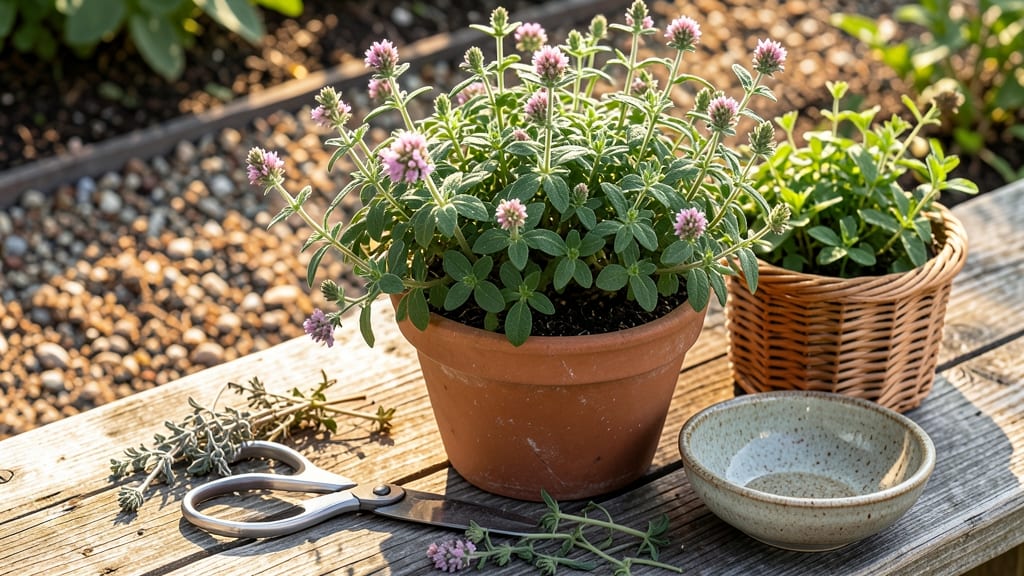
Harvest oregano for drying when those tiny silver buds form just before the flowers open—this is the sweet spot for maximum flavor and potency.
Picture this: you’ve nurtured your 🌿 oregano all season, and now it’s time to lock in that bold, aromatic punch. But wait too long, and the leaves turn bitter. The trick? Snip the stems when those delicate buds appear—before they bloom—so every leaf stays packed with essential oils.
Timing matters even more in Zone 6a, where summer heat can rush the flowering cycle. Mid-summer to early fall (July through September) is your window, but keep an eye on the weather. A dry, sunny day ensures crisp stems that dry evenly, preserving that Mediterranean zing you love.
In this guide, I’ll walk you through how to spot the perfect harvest moment, the best cutting techniques, and even how to dry your oregano for long-lasting flavor—so you can enjoy homegrown seasoning all year.
How to identify the perfect harvest time for oregano drying
Timing your oregano harvest is everything when it comes to drying—harvest too early, and the flavor won't be strong enough; too late, and you risk bitter leaves. The key is watching for those subtle visual cues that scream "harvest me now!" before the plant puts energy into seed production.
I've learned the hard way that waiting too long turns my prized oregano into a flavorless disappointment.
Start by examining the bud clusters at the tips of your oregano stems. When they turn a pale silver-green color—just before the tiny flowers fully open—this is your golden window.
These buds contain the highest concentration of essential oils, which translate to that bold, aromatic flavor we all love in dried oregano. I always make a point to check my plants every 3-4 days during peak growing season.
Another critical visual cue is the leaf texture. At harvest time, the leaves should be dark green, thick, and highly aromatic when crushed between your fingers. If they're pale or smell weak, your plant isn't ready yet.
I like to do a quick sniff test—if it doesn't make my nose tingle, it's not harvest time. The stems should also be woody but still bendable, not brittle or soft.
Here's a visual reference to help you identify the perfect harvest window at a glance:
| Harvest Stage | Visual Cues | Flavor Impact | Action |
|---|---|---|---|
| Too Early | Small plant, soft stems, pale leaves | Mild, weak flavor | Wait 2-3 weeks |
| Perfect Time | Silver-green buds, dark green leaves, firm stems | Strong, aromatic flavor | Harvest immediately |
| Too Late | Open flowers, bitter leaves, woody stems | Bitter, harsh taste | Discard or compost |
One mistake I used to make was harvesting after the flowers had fully opened. Once those purple or white blooms appear, the plant's energy shifts from leaf production to seed creation, and the leaves become bitter and less aromatic.
I learned this lesson the hard way when my first dried oregano batch tasted more like medicine than seasoning. Now, I mark my calendar for mid-summer to early fall (July-September in most climates) as my prime harvest window.
The time of day matters too. Always harvest your oregano in the morning after the dew has dried but before the sun gets too intense. The essential oils are most concentrated at this time, and the leaves will be at their freshest.
I like to harvest just after sunrise when the air is cool—this helps preserve that bright flavor during drying. Avoid harvesting in the afternoon when the oils can become more volatile.
Another pro tip I picked up from experienced gardeners is to harvest your oregano in stages throughout the growing season. Instead of taking everything at once, I cut back about one-third of the plant at a time, leaving plenty of growth for future harvests.
This method encourages bushier growth and gives you multiple harvests per season. Just be sure to always cut just above a leaf node to promote new growth.
Pay attention to the weather conditions too. Harvesting after a light rain can dilute the essential oils, making your dried oregano less potent. I wait 24-48 hours after rainfall before harvesting to ensure the best flavor.
Also, avoid harvesting if frost is in the forecast—cold temperatures can damage the plant and reduce oil content. When in doubt, I check the 5-day forecast before planning my harvest.
Finally, don't forget that different oregano varieties have slightly different harvest windows. While all oregano should be harvested before flowering, some varieties like Greek oregano tend to flower earlier than Italian oregano.
I've found that monitoring each variety separately gives me the best results. For container-grown oregano, I harvest more frequently since these plants mature faster in smaller spaces.
With these visual cues and timing tips, you'll never miss the perfect harvest window again. The key is to stay observant and act quickly once you see those silver-green buds forming. Your future dried oregano stash will thank you with that rich, aromatic flavor we all love! ✂️🌿
Step-by-step oregano harvesting and drying process
Now that you’ve spotted those silver buds signaling harvest time, it’s time to act fast. The 30-minute window between morning dew and midday heat is ideal for cutting—this preserves the essential oils that give oregano its signature punch.
Use sharp, clean scissors or pruning shears to avoid crushing stems, which can bruise the leaves and lead to mold during drying.
Always cut 1/3 of the plant at a time to encourage bushier growth. Focus on the outer stems first, leaving the center intact. This method ensures your oregano keeps producing new growth for future harvests.
Avoid cutting into woody stems, as these won’t dry well and may harbor hidden pests.
Cut stems when silver buds appear but before flowers open. This ensures maximum flavor and oil content.
Sanitize scissors or pruners with rubbing alcohol to prevent bacterial contamination during drying.
Harvest between 8-10 AM on a dry, sunny day to preserve moisture and prevent mold.
Gather 5-7 stems and tie with twine or rubber bands at the base for hanging.
Hang bundles upside down in a dark, well-ventilated area (like a closet or pantry) for 2-3 weeks.
Leaves should crush easily and stems snap cleanly. If not, extend drying time by 3-5 days.
Store dried oregano in airtight containers away from light and heat for up to 1 year.
After harvesting, the drying process is just as critical as the cut itself. I recommend hanging bundles upside down in a dark, well-ventilated space—like a closet or pantry—where temperatures stay consistent between 70-80°F. Avoid direct sunlight, which can bleach the leaves and degrade their flavor.
If you’re short on hanging space, lay stems on a wire rack or screen in a single layer, ensuring good airflow around each stem.
Patience is key here. It typically takes 2-3 weeks for oregano to dry completely, but don’t rush it. Test for dryness by crushing a leaf—if it crumbles easily and the stem snaps cleanly, your oregano is ready.
If leaves feel damp or stems bend instead of snap, extend drying by another 3-5 days. Over-drying can turn leaves brittle, but under-drying risks mold and spoilage.
Once fully dried, strip the leaves from the stems and store them in airtight glass jars or resealable bags. Keep them in a cool, dark place—like a pantry or root cellar—to preserve flavor for up to 1 year.
Label your jars with the harvest date so you can track freshness. For even longer shelf life, consider freezing dried oregano in ice cube trays with a little olive oil.
Avoid these common mistakes that can ruin your harvest: cutting stems too short (leave 2-3 inches above the base), drying in humid conditions (like a basement), or storing dried oregano near heat sources (like the stove).
These errors can lead to mold, loss of flavor, or even pest infestations. With the right technique, your homegrown oregano will stay vibrant and aromatic for all your culinary creations.