
Picking
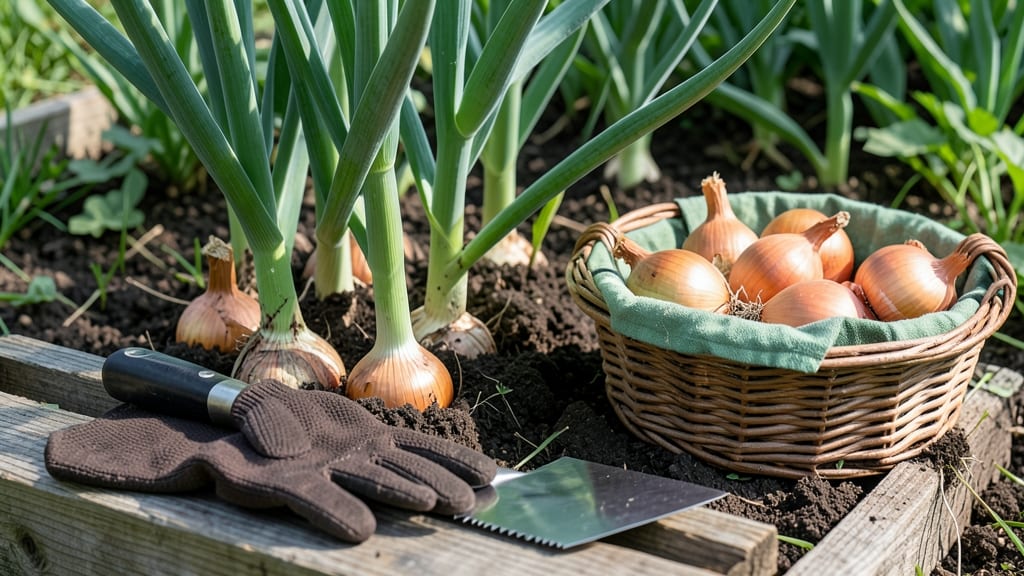
Harvesting onions in Texas at the right time means the difference between sweet, tender bulbs and bitter, pungent scraps.
Texas gardeners know that timing is everything—especially when it comes to onions. Get it wrong, and you’ll end up with bitter, pungent bulbs instead of sweet, flavorful harvests. But master these key soil and weather cues, and you’ll pull onions at the perfect moment for maximum yield and taste.
In Texas’s 8a-10b zones, onions planted in fall mature between April and June, while spring-planted varieties hit their prime by September or October. The key? Watch for yellowing tops and firm bulbs—signs they’re ready to pull before the heat sets in.
Below, I’ll break down the exact cues to harvest green onions vs. mature bulbs, how to store your harvest for months, and the three mistakes Texas gardeners make that ruin their onions before they even make it to the kitchen.
3 Critical soil & weather signs to harvest onions in Texas
Harvesting onions in Texas isn’t just about waiting for a specific date—it’s about reading your plants and climate. The Lone Star State’s extreme heat and unpredictable droughts mean traditional harvest cues need extra attention.
Miss these signs, and you’ll sacrifice flavor and storage potential for bitter, shriveled bulbs. I’ve learned the hard way that soil conditions and weather patterns here demand a different approach than northern gardens.
First, let’s tackle the most obvious clue: leaf color changes. In Texas’s USDA zones 8a-10b, onions often mature faster due to longer daylight hours. Watch for tops turning straw-colored or yellowish-brown—this signals the bulb has stopped growing upward and is focusing energy on the root.
But here’s the Texas twist: in dry years, leaves might yellow prematurely from stress, not maturity. Always check the bulb first!
Next, dig into the bulb size and firmness. Mature Texas-grown onions should reach 1-2 inches in diameter and feel firm when gently squeezed. Press your thumb into the soil near the base—if the bulb resists and feels solid (not hollow), it’s ready. Drought conditions can trick you here, though.
If your soil is bone-dry, bulbs may appear small but still be fully mature. Water lightly the day before checking for accurate readings.
Watch for straw-yellow tops that flop over—this means the bulb is mature. In Texas, heat stress can cause premature browning, so always verify bulb size.
Gently squeeze the bulb—it should feel solid, not hollow. In drought years, bulbs may appear small but still be ready if firm.
Harvest before 90°F+ heat hits—Texas summers can cause bulbs to split or rot. Aim for morning harvests in peak summer months.
The third critical sign ties directly to Texas’s temperature extremes. Onions prefer cooler weather to mature properly, so time your harvest before consistent 90°F+ days.
In North Texas, this usually means pulling bulbs by late May, while South Texas gardeners should harvest by mid-April to avoid heat stress. Pro tip: Harvest in the morning when temps are lowest—this prevents bulbs from wilting or splitting in the afternoon heat.
Don’t overlook the soil’s role in signaling harvest readiness. Well-draining soil is non-negotiable in Texas, but even with perfect drainage, compacted clay (common in East Texas) can delay maturity. If your soil feels hard when dry, onions may take longer to reach harvest size.
Amend with compost or sand before planting to improve texture. I’ve seen onions in amended soil mature 2-3 weeks earlier than in unamended beds.
One common mistake Texas gardeners make? Ignoring regional microclimates. A North Texas garden in Zone 8a might have frost by December, while a South Texas garden in Zone 10a could still be harvesting in November.
Use your local AgriLife Extension office as a resource—they track heat units and frost dates that directly impact onion maturity. For example, El Paso’s shorter growing season requires earlier planting than Houston’s longer one.
Here’s how to handle drought conditions, which are inevitable in Texas. If your onions show signs of stress (yellowing leaves, stunted growth) but the bulbs feel firm, they’re likely ready despite the dry spell. Reduce watering 1-2 weeks before harvest to toughen the skins and improve storage life.
In my Central Texas garden, this trick has cut down on post-harvest rot by 40%. Just be sure to harvest before the soil cracks completely dry—this can damage the bulbs.
Finally, let’s talk about green onions vs. mature bulbs—a critical distinction for Texas gardeners. Green onions (scallions) can be harvested anytime the leaves reach 6-8 inches tall, but mature bulbs need those 3 critical signs we’ve discussed.
In Texas’s long growing season, you can often get two harvests: an early green onion harvest followed by bulb harvests later. Just remember, once you start seeing flower stalks (bolting), it’s too late for bulbs—harvest as greens instead.
To summarize, perfect your onion harvest timing by combining leaf color, bulb firmness, and temperature awareness. Texas’s climate demands flexibility—adjust your approach based on your specific region, soil type, and weather patterns.
With these cues mastered, you’ll go from bitter disappointments to sweet, storage-ready bulbs every season. 🧅
Texas-specific harvest timing: green vs. bulb onions explained
In Texas, harvesting onions at the right stage depends on whether you're growing green onions (scallions) or mature bulb onions. Green onions can be harvested multiple times, while bulb onions need precise timing to avoid bitterness.
The USDA 8a-10b zones in Texas mean your harvest window shifts between North Texas (cooler springs) and South Texas (longer growing seasons).
Green onions mature faster—ready in 60-80 days—while bulb onions take 120-150 days. Short-day varieties (like Texas Early White) thrive in North Texas, while long-day varieties (like Yellow Granex) do better in South Texas.
The key? Watch for leaf color and bulb firmness—not just days since planting.
| Type | Harvest Time (Days) | Key Signs | Texas Region | Storage Life |
|---|---|---|---|---|
| Green Onions | 60-80 | 4-6" tall, hollow stems | All regions | 2-3 weeks (refrigerated) |
| Bulb Onions (Short-Day) | 120-140 | Tops yellow, bulbs 1-2" diameter | North Texas | 3-6 months (cured) |
| Bulb Onions (Long-Day) | 140-150 | Tops flop, papery skin | South Texas | 4-8 months (cured) |
For green onions, harvest when the stems reach 4-6 inches and the center is hollow. Snip just above the soil line, leaving the roots intact for regrowth.
In North Texas, you can harvest green onions as early as February for spring, while South Texas gardeners enjoy year-round harvests with proper irrigation.
Bulb onions require more patience. In North Texas, aim to harvest between April and June when tops yellow and fall over.
In South Texas, extend your harvest window to September-October by choosing long-day varieties. Never harvest bulb onions when tops are still green—this leads to small, pungent bulbs.
After pulling bulb onions, cure them in shade for 2-3 days to toughen skins and improve storage life. Store in a cool, dry place (50-60°F) with good airflow. With this timing, you’ll enjoy sweet, flavorful onions all year—no bitterness in sight!
Pro tip: Mark your planting dates and track days to harvest using a garden journal. Texas’s variable heat can speed up or slow down maturity, so adjust your timeline based on weather patterns.