
Picking
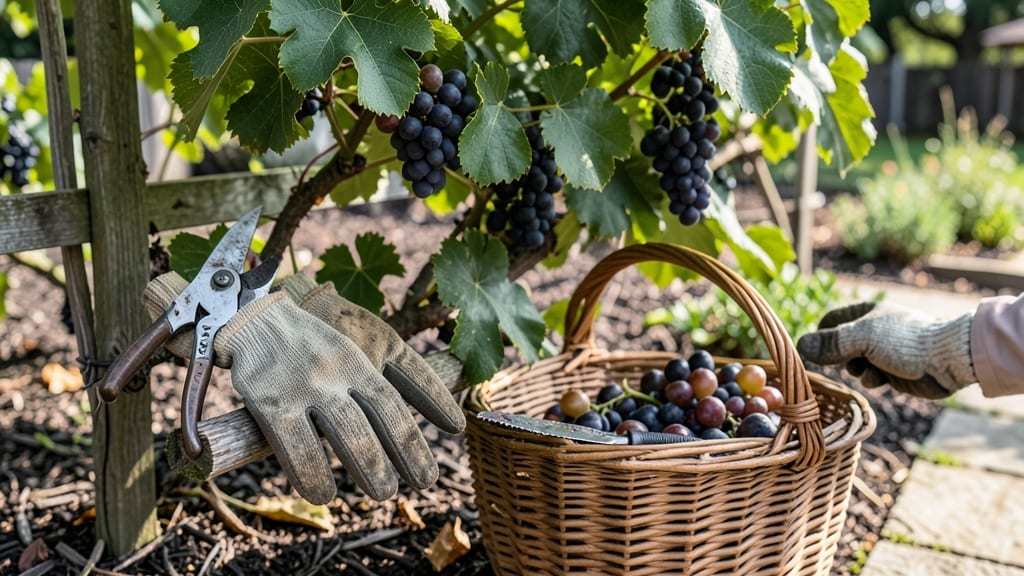
Harvesting muscadine grapes at the right time ensures sweet, juicy fruit that’s perfect for eating, jams, or wine—so when do these 🍇 berries reach peak ripeness?
You’ve probably watched your grapes darken from green to deep purple, only to wonder if they’re ready—or if you’ve waited too long. The truth? Timing is everything, and missing the window means tart, seedy berries instead of the rich, flavorful harvest you’re after.
In USDA Zones 7-10, most muscadine varieties ripen between late August and October, but color isn’t the only clue. You’ll also need to check for a leathery skin, easy detachment, and a brown seed coat—details that make all the difference between a stellar crop and a disappointing one.
Below, I’ll break down the exact signs to look for, regional timing tips, and how to test ripeness like a pro—so you can enjoy that first sweet bite of homegrown perfection.

Muscadine grapes harvest time: key ripeness signs to watch
Timing your muscadine grapes harvest perfectly ensures juicy, flavorful fruit rather than tart or overly soft berries. These native Southern grapes ripen later than table grapes, typically between late August and October, depending on your USDA zone and variety.
Missing the window? You risk underripe clusters or overripe ones that split easily in rain.
I’ve learned the hard way—picking too early leaves seedy, astringent grapes, while waiting too long risks bird damage or cracked skins. The secret lies in watching for three key ripeness signs: color, texture, and detachment. Let’s break down what to look for to nail your harvest timing.
🍇 Color is your first clue: ripe muscadines turn a deep purple-black (not just red or maroon). Some varieties like ‘Scuppernong’ stay lighter, but they’ll still darken noticeably. Avoid picking if grapes still show green or yellow patches—those need more time on the vine.
🍇 Texture matters just as much. Gently press a grape between your fingers—ripe skins should feel thick and slightly leathery, not thin or mushy. If the skin punctures easily, the grape’s overripe. Pro tip: Roll a grape in your palm; ripe ones feel plump and heavy for their size.
Finally, test detachment ease. Gently twist a grape cluster—ripe grapes should detach cleanly from the stem with minimal force. If they resist or tear, they’re not ready. This “twist test” saves you from harvesting too early and ensures sweetness peaks.
| Ripeness Sign | What to Look For | Action |
|---|---|---|
| 🍇 Color | Deep purple-black (no green/yellow patches) | Harvest when 90%+ of grapes reach this stage |
| 🍇 Texture | Thick, leathery skin; plump and firm | Avoid if skin punctures easily or feels mushy |
| 🍇 Detachment | Grapes twist off stem with gentle pressure | Test 3-5 clusters before full harvest |
| 🍇 Seed Color | Brown seed coat inside fruit | Cut open 1-2 grapes to confirm |
| ⏰ Seasonal Cues | Late summer to early fall (varies by zone) | Zone 7: Early Sept; Zone 9: Late Oct |
Regional climate variations shift harvest windows dramatically. In warmer zones (8-9), grapes may ripen by late September, while cooler zones (7) often wait until October.
Early-season varieties like ‘Fry’ ripen first, followed by ‘Carlos’ and ‘Scuppernong’ later. Track your vine’s progress weekly—grapes can ripen 2-3 weeks faster in hot summers.
Don’t rely solely on dates—test sugar levels for accuracy. Squeeze a grape; ripe ones should taste naturally sweet with minimal tartness. For precision, use a refractometer (aim for 18-22 Brix). If sugar’s low, wait 3-5 days before harvesting again. Overripe grapes lose flavor fast and attract pests.
Harvest in the morning when temps are cool to preserve quality. Use clean pruners or scissors to avoid crushing berries, and place clusters in shaded, breathable containers.
Store harvested grapes at 32-40°F for up to 2 weeks to extend freshness. Proper timing turns your vine into a flavorful, low-maintenance crop—worth the patience!
🌱 Pro tip: Label your vines by variety and harvest date. This helps track ripening patterns year over year, so you’ll never miss peak sweetness again.
Muscadine grape harvest calendar: month-by-month guide by US growing zones
Timing your muscadine grape harvest depends heavily on your USDA growing zone and the specific variety you're growing. In Zones 7-10, harvest windows can vary by 4-6 weeks, so knowing your local climate patterns is key.
Early-season varieties like 'Carlos' may ripen first, while late-season types like 'Scuppernong' often hold until deep fall.
For most gardeners, the harvest season spans August through October, but cooler zones (like Zone 7) may see earlier harvests in late July to early September, while warmer zones (Zone 10) can extend into November.
Pay attention to fruit color changes, seed development, and local frost dates to avoid losing your crop to unexpected cold snaps.
📅 Muscadine Grape Harvest Timeline by Zone
- Zone 7: Late July - Early September 🌡️ 75-85°F
- Zone 8: Mid-August - Mid-October 🍇 Early varieties first
- Zone 9: Late August - November ✂️ Late varieties last
- Zone 10: September - December (varies) 🌿 Frost-free advantage
Note: Check for full color, plump berries, and easy detachment before harvesting.
In Zone 7, where summers are shorter, prioritize early-ripening varieties like 'Doreen' or 'Fry'. These grapes typically reach harvest by mid-August and should be picked before September frost risks increase. Use a refractometer to confirm sugar levels—aim for 18-22 Brix for ideal flavor.
Gardeners in Zones 8-9 enjoy the longest harvest windows, often stretching from late August through October. This is prime time for mid-season varieties like 'Magnolia' and 'Nesbitt'.
Monitor seed color: fully ripe muscadines will have brown seeds when sliced open. Harvest in morning hours to preserve sweetness and avoid heat damage.
Warmer Zone 10 climates can extend harvests into November or even December, especially for late-season varieties like 'Scuppernong'. However, be cautious—overripe grapes develop mealy texture and lose flavor.
Test one cluster per week starting in September to track ripening progress. Store harvested grapes in 50-55°F conditions to slow spoilage.
Regardless of your zone, always harvest on a dry day to prevent fungal issues. Use clean pruners and harvest baskets to avoid bruising. For storage, leave stems intact and refrigerate for up to 2 weeks—or process into jams, jellies, or wines for long-term preservation.