
How To
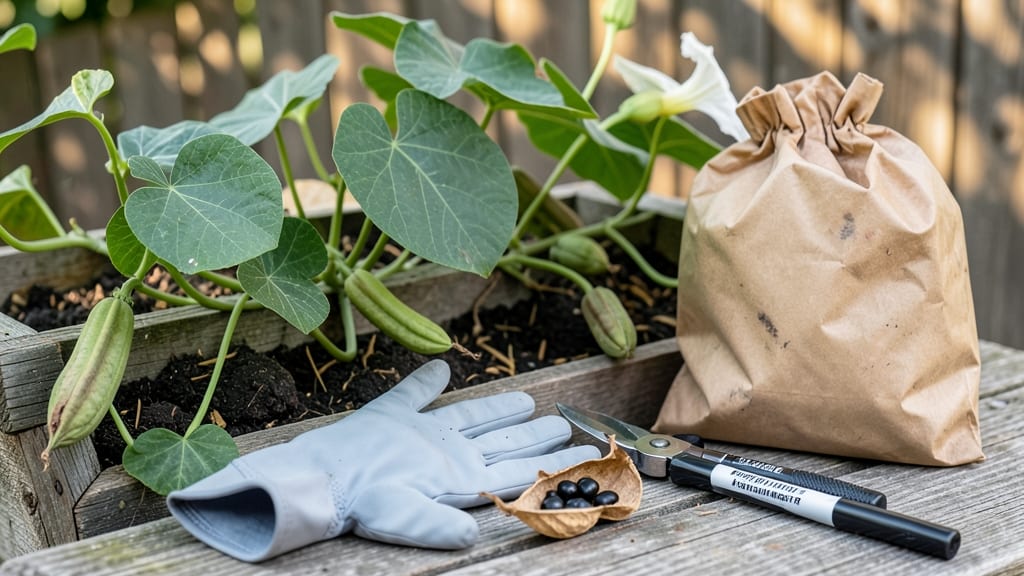
Harvest moonflower seed pods when they turn brown and develop slight cracks, signaling mature seeds ready for collection.
Those ethereal 🌙 blooms fade by late summer, but the real magic happens in the seed pods—if you time it right. Too soon, and you’ll pull empty husks; too late, and the pods burst open, sending seeds scattering like confetti in a breeze.
The key is watching for brown cracks and a stem that bends like a bow before snapping.
Most gardeners in USDA Zone 6a spot these signs between late August and early September, about 90 days after planting. But don’t rely on the calendar—press a pod between your fingers.
If it feels dry and brittle, it’s ready. If seeds rattle inside, that’s your cue to act fast before the pods split open on their own.
Here’s what you’ll learn: how to spot the perfect moment, avoid common mistakes that waste your harvest, and store seeds so they’re ready for next year’s garden. No more missed opportunities—just viable seeds and a head start on next season’s moonlit displays.
How to identify the perfect harvest time for moonflower seed pods
Moonflowers (Ipomoea alba) produce stunning night-blooming flowers, but their true reward comes when you master the art of harvesting their seed pods. The key to collecting viable seeds lies in recognizing the exact moment when pods reach maturity.
Miss this window, and you risk either unripe seeds or pods that burst open before you can collect them. Let’s break down the visual cues and physical characteristics that signal it’s time to harvest.
First, focus on the pod color. Mature moonflower seed pods transition from bright green to a rich, dull brown hue. This color change indicates the seeds inside have fully developed and are ready for collection.
If the pods remain green or only partially brown, they’re not yet ready. The color shift is your first and most obvious clue that harvest time is near.
Next, pay attention to the texture and flexibility of the pods. When fully mature, the pods become dry and brittle, almost papery to the touch. Gently squeeze a pod—if it feels flexible rather than firm, it’s a sign the seeds are mature.
A mature pod will also crack slightly along its seams, revealing the seeds inside. This is your second critical indicator.
Listen for the seeds rattling inside the pod. Shake a pod gently near your ear—if you hear a faint rattling sound, the seeds are fully formed and ready to harvest.
This acoustic cue is a foolproof way to confirm maturity, especially when combined with the visual and tactile signs mentioned above. Ignoring this step could mean collecting seeds that haven’t fully developed.
Another key sign is the condition of the plant. As the moonflower vine matures, its leaves will begin to yellow and die back, especially toward the end of the growing season. This natural decline signals that the plant is redirecting its energy toward seed production.
If you notice wilted or brown leaves on the vine, it’s a strong indication that the seed pods are nearing harvest readiness.
Timing is also critical based on the season and climate. In most regions, moonflower seed pods reach maturity between late summer and early fall, typically around 80–100 days after planting. However, this can vary slightly depending on your local climate.
If you’re in a warmer region, pods may mature earlier, while cooler areas might see a later harvest window. Always monitor the pods closely rather than relying solely on the calendar.
One common mistake is harvesting pods that are only partially brown or still slightly green. These pods may contain underdeveloped seeds that won’t germinate properly. On the other hand, waiting too long can result in pods that burst open naturally, scattering seeds across your garden.
The goal is to harvest the pods just as they begin to crack, ensuring you collect the maximum number of viable seeds.
Here’s a quick visual and tactile checklist to confirm harvest readiness:
- Pods are fully brown (not green or partially brown).
- Pods feel dry and brittle when touched.
- Pods crack slightly at the seams.
- Seeds rattle inside when shaken.
- Leaves are yellowing or dying back.
If you check all these boxes, it’s time to harvest! The next step is to carefully collect the pods and process them to extract the seeds. But for now, focus on identifying these signs—your success depends on spotting them at the right moment.
| Harvest Indicator | What to Look For | Action |
|---|---|---|
| Pod Color | Dull brown (not green) | Harvest when fully brown |
| Pod Texture | Dry, brittle, flexible | Collect when pods feel papery |
| Seed Sound | Seeds rattle inside | Shake pods to confirm |
| Pod Cracks | Slightly open seams | Harvest before they burst |
| Leaf Condition | Yellowing or dying back | Ready for seed collection |
Now that you know what to look for, the next step is to harvest the pods gently but efficiently. Use clean, sharp pruners or scissors to snip the pods from the vine, leaving a small stem attached.
Avoid pulling or twisting the pods, as this can damage the vine or cause the pods to split prematurely. Place the harvested pods in a paper bag or breathable container to allow them to dry further before processing.
Once you’ve collected the pods, store them in a cool, dry place for a few days to ensure they’re completely dry. This step is crucial for maximizing seed viability.
After drying, you can easily open the pods to extract the seeds, which can then be stored for planting in the following season. By mastering these harvest timing cues, you’ll ensure a bountiful collection of moonflower seeds every year.
Remember, the earlier you harvest, the better—once the pods burst open naturally, those seeds are lost to the wind. Keep an eye on your moonflower vines, and you’ll never miss another harvest season again.
Step-by-step guide to harvesting moonflower seeds without damaging the plant
Now that you’ve spotted the brown cracks and flexible stems signaling ripe moonflower seed pods, it’s time to act carefully. The wrong move can snap the delicate vines or send seeds flying—so grab your tools and follow this gentle approach to preserve both the plant and your harvest.
I’ve made every mistake from yanking pods too hard to missing the sweet spot where seeds are ready but pods stay intact.
You’ll need just a few simple tools: a pair of clean pruning shears, a paper bag for collecting pods, and a damp cloth to clean your tools between cuts. Avoid sharp knives—they can crush the pods and damage seeds.
Work on a dry, sunny day when the pods are at their most brittle, making them easier to handle without tearing.
How to Harvest Moonflower Seed Pods
- 1 Locate the pods: Scan the vine for brown, dry pods with visible cracks along the seams. These are your targets—ignore any that are still green or firm.
- 2 Support the vine: Gently hold the vine with your non-dominant hand just below the pod to stabilize it. This prevents the vine from snapping when you cut.
- 3 Cut cleanly: Use pruning shears to snip the pod 1 inch above the base. Angle the cut slightly downward to avoid water pooling on the vine, which can cause rot.
- 4 Collect immediately: Place the pod in your paper bag as soon as it’s cut. This prevents seeds from spilling out if the pod splits open mid-harvest.
- 5 Repeat systematically: Move from the bottom of the vine upward to avoid missing any pods. Check for hidden pods behind leaves or along the stem’s underside.
Once you’ve gathered all the ripe pods, resist the urge to open them right away. Instead, let them dry indoors for 3–5 days in a well-ventilated area away from direct sunlight. This final drying step ensures the seeds inside are fully mature and ready for storage.
I’ve learned the hard way—opening pods too soon can leave you with shriveled seeds that won’t germinate.
Pro tip: If you’re harvesting multiple pods, label your paper bag with the date and plant variety. This saves headaches later when you’re ready to plant. I once mixed moonflower seeds with morning glory seeds and ended up with a jungle of unexpected vines the next spring!
Store the dried pods in an airtight container in a cool, dark place until you’re ready to extract the seeds.
After processing, you’ll have viable seeds ready for next season’s garden. Just remember: moonflowers are annuals, so saving seeds is your ticket to free plants year after year.
With this method, you’ll avoid the heartbreak of wasted harvests and enjoy a bountiful supply of moonlit blooms for seasons to come.