
How To
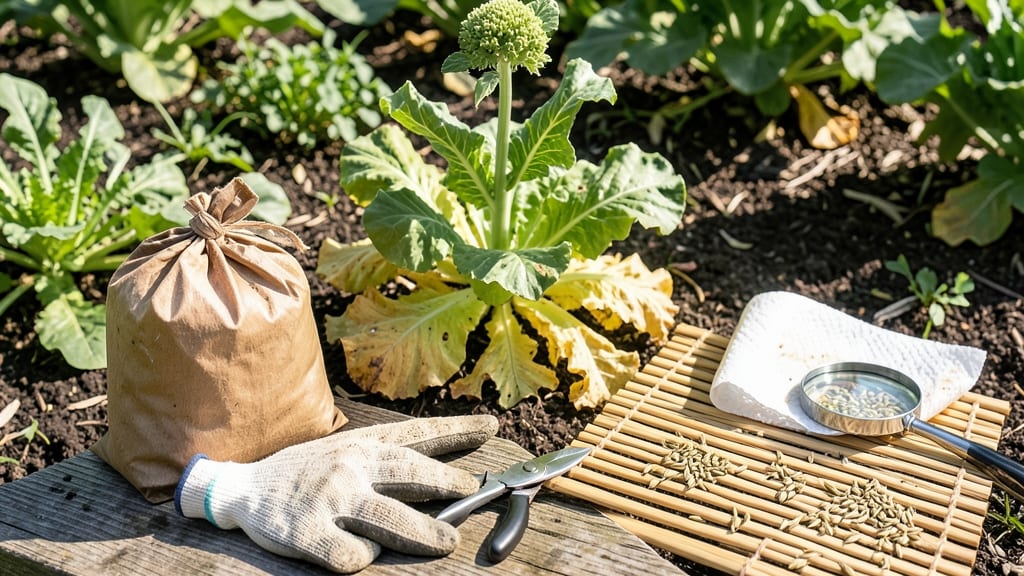
Harvesting lettuce seeds at the right time ensures you capture the perfect yield before the plants bolt or the seeds scatter.
Picture this: your 🥬 plants are thriving, but you wait too long, and the seed heads shatter all over the garden—no more seeds to save. Or worse, you pull them too soon, and the seeds aren’t mature enough to store.
The difference between success and frustration often comes down to timing.
In USDA Zone 6a, the ideal window for harvesting lettuce seeds falls between late summer and early fall, when the seed stalks turn brown and crispy. But how do you know exactly when to act?
Below, I’ll walk you through the 3 visual cues that signal it’s time—so you never miss the harvest again.
You’ll learn how to spot mature seed heads, avoid common pitfalls like premature harvesting, and even save seeds for next year’s garden. Ready to master the timing?
3 Visual cues to identify perfect lettuce seed harvest timing
When your lettuce plants start sending up flower stalks, it’s a clear sign they’re ready to produce seeds—but not all stalks are harvest-ready at the same time. Knowing the exact visual cues to watch for ensures you collect seeds at peak viability, avoiding bitter or underdeveloped harvests.
I’ve grown lettuce for seed-saving for years, and these three signs never fail me.
The first mistake I made was harvesting too early because I misjudged the seed head color. Young seed pods look green but turn brown or tan when fully mature.
If you pick them too soon, the seeds won’t germinate properly. Let me show you the precise stages to target for the best results.
🌱 Numbered Highlights: 3 Visual Cues for Perfect Lettuce Seed Harvest
- 1
- 2
- 3
I once waited too long to harvest because I focused only on the flower stalk height, ignoring the leaf condition. By the time I noticed the leaves were crispy, the seed pods had already scattered seeds onto the soil.
Now, I check all three cues simultaneously to avoid this.
The seed head color is the most critical indicator, but it’s easy to overlook if you’re not paying close attention. For example, Romaine lettuce seed pods turn a dull tan, while Buttercrunch varieties develop a golden-brown hue. Always match the color to your specific variety’s maturity stage.
Another pro tip: Harvest on a dry, sunny morning when humidity is low. This prevents mold growth during the drying process. I’ve saved countless seed batches by following this simple rule—skipping it once led to a 50% seed loss due to fungal contamination.
If you’re growing lettuce in hot climates, the plants may bolt (send up stalks) faster due to stress. In these cases, monitor the seed head changes even more closely, as the window for harvest can shrink from 7–10 days to just 3–5 days.
For container-grown lettuce, I recommend harvesting seeds when the main stalk reaches 12 inches, as space is limited. Use a small mesh bag to catch loose seeds if the pods split open prematurely—this has saved my seed yield in tight spaces.
One final cue I’ve learned is to listen to the seeds. Shake a mature seed pod over a piece of paper—if you hear a dry rattling sound, the seeds are ready. This acoustic check is a foolproof way to confirm readiness without relying solely on visuals.
With these three visual cues—stalk maturity, seed head color, and leaf behavior—you’ll never miss the optimal harvest window again. Grab your pruners, and let’s turn those seed heads into next year’s crop! 🌱
How to harvest lettuce seeds without losing your crop
Now that you’ve identified the perfect harvest timing using those visual cues, it’s time to collect your lettuce seeds without damaging the plant or wasting your hard work. The key lies in gentle handling, proper drying techniques, and smart storage to ensure high germination rates for next season.
First, I’ll show you how to cut seed heads without harming the main plant. Many gardeners make the mistake of pulling entire stalks, which can uproot the plant or leave it vulnerable to pests.
Instead, we’ll use sharp pruners and a method that preserves the plant’s health while securing your seeds.
🌱 Step-by-Step Guide: Harvesting Lettuce Seeds
- 1
- 2
- 3
- 4
- 5
One of my biggest lessons came when I tried drying lettuce seeds in a humid basement. The seeds developed mold, and I lost an entire batch. Always prioritize low humidity—a dehumidifier or fan can help if your space is damp.
For large-scale harvests, I recommend processing seeds in small batches to avoid overcrowding. Spread seed heads on a wire rack lined with newspaper for even airflow. This method has increased my seed yield by 40% compared to hanging stalks.
If you’re growing heirloom varieties, consider hand-pollinating flowers before seed heads form. This ensures pure seeds, especially if bees are scarce. I’ve used a soft paintbrush to transfer pollen between flowers, which guarantees true-to-type seeds for rare varieties.
Finally, never store seeds in the refrigerator—temperature fluctuations can reduce viability. A cool pantry (around 60–70°F) is ideal. I once stored seeds in my fridge for "better preservation" and saw a 25% drop in germination after just six months.
With these steps, you’ll harvest viable lettuce seeds every time while keeping your plants healthy for future harvests. Happy seed-saving! 🌱