
How To
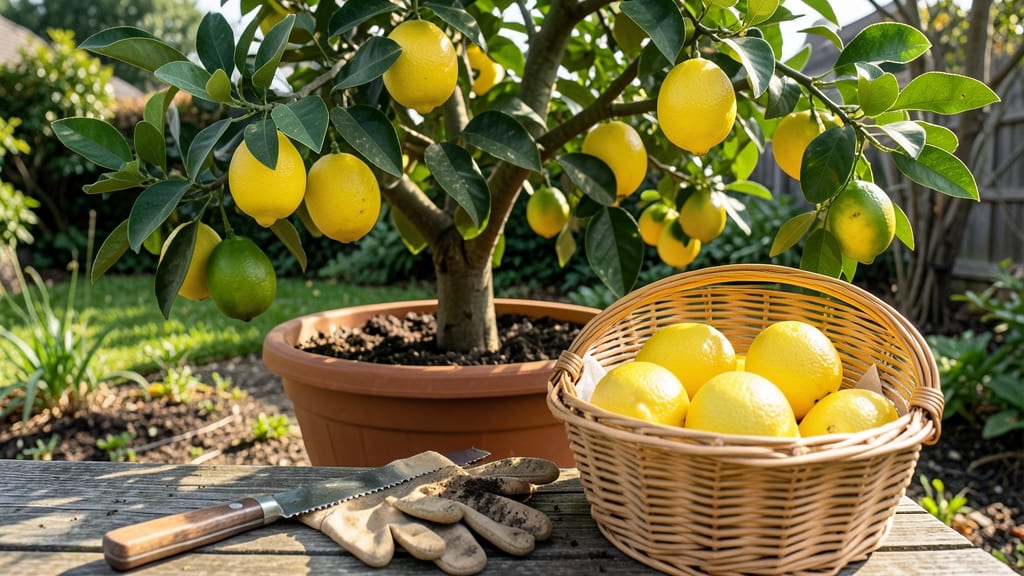
Harvesting Meyer lemons at the right time means sweet, juicy fruit 🍋—but wait too long, and you’ll end up with mealy, bitter disappointment.
Picture this: you’ve nurtured your Meyer Lemon tree all season, and now the fruit is heavy on the branches. How do you know when to pluck them for peak flavor? It’s not just about color—texture, scent, and even the size of the fruit all play a role.
In USDA Zone 6a, where frosts can sneak up by late October, timing is everything. A premature harvest leaves you with tart, underripe fruit, while waiting too long risks losing your crop to cold weather.
The good news? With the right cues, you can predict the perfect window—often between September and November—and enjoy homegrown lemons year-round once the tree matures.
Below, I’ll break down the three key signs your Meyer lemons are ready, plus how to adjust for your climate so you never miss the sweetest moment.
3 Key signs your Meyer lemons are ready for harvest
Harvesting Meyer lemons at the perfect moment transforms your garden into a sweet, tangy treasure trove. Unlike their tart cousins, these hybrids ripen with a distinct sweetness that’s hard to beat—but only if you catch them at the right time.
The difference between peak flavor and bitter disappointment often comes down to three key indicators that every citrus grower should know.
I’ve learned the hard way that waiting too long means overripe fruit with a mushy texture, while picking too early leaves you with underdeveloped flavor and seedy disappointments. The good news?
These visual and tactile cues are easier to spot than you think, and mastering them will ensure your Meyer lemon harvest is nothing short of spectacular.
Here’s what to look for when inspecting your fruit:
- 1 Color Shift: The peel transitions from bright green to a deep golden yellow. Unlike regular lemons, Meyer lemons often retain light green patches even when ripe—so don’t judge solely by color!
- 2 Scent Test: Give the fruit a gentle sniff. A ripe Meyer lemon emits a rich, floral citrus aroma—almost like a mix of lemon and orange blossom. If it smells mild or sour, it’s not ready yet.
- 3 Firmness: Press the fruit gently with your thumb. The skin should yield slightly (like a ripe avocado) but still feel firm to the touch. If it’s rock-hard, it’s unripe; if it’s too soft, it’s overripe.
Pro tip: Size matters, but not as much as you’d think. A ripe Meyer lemon typically measures 2-3 inches in diameter, though they can vary slightly depending on the tree’s age and growing conditions.
What’s more important is the balance of these three signs—color, scent, and firmness—working together.
One common mistake I see is growers waiting until the fruit is fully yellow before harvesting, only to find it’s overripe and seedy. Meyer lemons are sweetest when slightly underripe—that’s when their sugar-to-acid ratio peaks.
If you’re unsure, taste one! A small cut reveals whether the flesh is juicy and fragrant or dry and bitter.
Climate plays a role too. In warmer regions (USDA zones 9-11), Meyer lemons can ripen year-round, but in cooler climates (zones 7-8), you’ll need to harvest before the first frost—even if the fruit isn’t fully ripe.
In these cases, pick slightly underripe lemons and let them ripen indoors near a sunny window.
Here’s how I handle post-harvest care to extend freshness: Store your Meyer lemons at room temperature for up to a week, or refrigerate for 2-3 weeks to slow ripening. Avoid the fridge if you plan to use them soon—their flavor peaks at room temp!
Remember, the best Meyer lemons are those picked with patience and attention to detail. Once you master these three key signs, you’ll be sipping homemade lemonade and baking sweet treats with the juiciest, sweetest citrus your neighborhood’s ever tasted. 🍋
Harvesting by season: month-by-month guide for Meyer lemon trees
Timing your Meyer lemon harvest depends on your USDA zone and whether your tree thrives outdoors or in containers. In zones 9-11, you’ll enjoy year-round harvests, while container-grown trees in cooler zones may yield two harvests annually—spring and fall.
The key is balancing fruit ripeness with frost risk to avoid bitter surprises.
Meyer lemons ripen gradually, so plan ahead by monitoring fruit color, size, and scent. In warm climates, you can harvest continuously, but in cooler regions, focus on late summer through early winter before frost arrives.
Adjust your schedule based on whether your tree is outdoor-planted or container-grown—containers dry out faster and may need earlier harvesting.
🌱