
How To
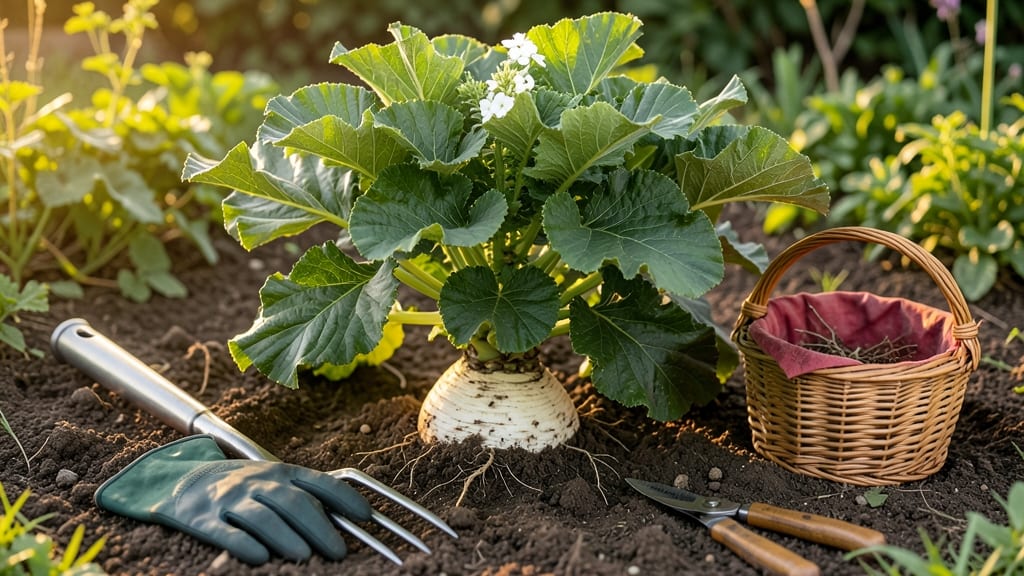
Harvest horseradish root before the first frost for maximum pungency, when the soil stays above 40°F and roots reach 1-2 inches in diameter.
Harvesting horseradish at the wrong time can turn your fiery condiment into a bland disappointment—here’s exactly when to dig for that signature kick.
Most gardeners wait until late fall, but the key is timing it right: too early and the roots are small; too late and frost dulls the heat.
I’ve learned the hard way that patience pays off—waiting for the leaves to yellow and the roots to firm up makes all the difference.
In this guide, you’ll discover the perfect window for digging, how to test for readiness, and post-harvest care to keep your harvest sharp and ready for grated dishes all winter long.
Optimal harvesting window: when to dig horseradish for peak pungency
Timing your horseradish harvest is everything when you want that signature fiery kick. The best time to dig horseradish roots is late summer to early fall, just before the first frost hits.
This window ensures roots reach their maximum pungency while remaining tender and flavorful. Waiting too long risks freezing or woody roots that lose their sharpness.
Science backs this timing: horseradish roots develop allyl isothiocyanate, the compound responsible for their heat, when exposed to cool soil temperatures (around 50-60°F). This happens naturally as summer fades.
Digging too early means underdeveloped roots with mild flavor, while waiting past frost can turn roots woody and bitter. The ideal harvest window is 4-6 weeks before your region's first frost date.
Here’s the perfect harvest timeline based on root maturity and seasonal cues:
| Harvest Stage | Root Size | Soil Temp | Seasonal Cue | Action |
|---|---|---|---|---|
| Early Summer | Under 1 inch | 60-75°F | Green foliage | Wait—roots too small |
| Late Summer | 1-2 inches | 55-65°F | Yellowing leaves | Dig when firm and 1.5" thick |
| Early Fall | 2+ inches | 50-60°F | Frost warning | Harvest immediately—before freeze |
| Winter | Any size | Below 32°F | Frozen ground | Too late—roots become woody |
For gardeners in USDA Zone 6a (like me), this means aiming for mid-September to early October. Check your local frost dates—most regions experience their first frost between October 15-30.
If you’re unsure, dig a test root in late August to gauge size. A root with a 1.5-inch diameter and firm texture is prime for harvesting.
Soil temperature is your secret weapon. Horseradish roots convert starches to sugars when soil cools below 65°F, intensifying their heat. Use a soil thermometer to monitor temps—dig when readings drop to 55-60°F for 3-5 consecutive days.
This triggers peak flavor development. Pro tip: Morning soil temps are most accurate for this purpose.
Don’t let frost catch you off guard. Even a light frost can damage roots, making them mushy and unpalatable. If frost threatens before your roots are ready, cover plants with straw mulch (6+ inches thick) to insulate them.
This buys you 1-2 weeks of growing time. But remember: mulching isn’t a long-term fix—roots still need to be harvested before winter sets in.
Root size matters more than age. A 2-inch diameter horseradish root harvested in early fall will outshine a 3-inch root left in the ground until winter. Larger roots develop woody cores and duller flavors as they mature.
Aim for roots that feel dense and heavy for their size—this indicates optimal moisture and nutrient storage. Weigh a handful in your hand; ready roots should feel surprisingly substantial.
Here’s my foolproof method: Mark your calendar 6 weeks before your first frost date. On that day, dig up a small test root. If it’s 1.5 inches thick and the foliage has started yellowing, you’re golden.
If not, wait another week and check again. This flexible timing ensures you never miss the sweet spot between maturity and frost.
One common mistake? Waiting until leaves completely die back. By then, roots may have already suffered frost damage. Instead, harvest when 50% of leaves yellow but before they brown.
This balance ensures roots are fully developed but still frost-free. Think of it like catching a fish at its peak—timing is everything for that perfect bite of heat.
After harvesting, store roots in a cool, dark place (like a root cellar) for up to 6 months. But remember: the sooner you use them, the sharper the flavor.
For maximum pungency, grate roots just before using—this releases the allyl isothiocyanate compounds that give horseradish its signature kick. Now you’re ready to dig at the perfect moment every year! 🌱
Signs your horseradish is ready: visual and physical cues
Knowing when to harvest horseradish roots depends on three key factors: leaf color, root size, and soil temperature. The perfect time arrives when your plants show all three signs simultaneously.
I’ve found that ignoring just one of these cues often leads to bland, underdeveloped roots—or worse, frost-damaged ones.
First, watch for yellowing foliage in late fall. Healthy green leaves signal active growth, but when they turn golden-yellow and crisp, it’s nature’s way of saying, "Time to dig!"
This usually happens 4-6 weeks before your area’s first frost date. In my USDA Zone 6a garden, this means late September to early October.
🌱 Key Takeaway: Horseradish Harvest Checklist
| Sign | What to Look For | Action |
|---|---|---|
| 🍂 Leaf Color | 70-80% leaves yellowed | Harvest within 7-10 days |
| 📏 Root Size | 1-2 inches in diameter | Dig when firm to touch |
| 🌡️ Soil Temp | Above 40°F (4°C) | Harvest before frost |
💡 Pro Tip: Use a soil thermometer to confirm temperatures—roots left in freezing soil lose their signature heat!
Next, check the root diameter. Mature horseradish roots should measure 1-2 inches across at their widest point. To test without digging, gently loosen the soil around the base with your fingers. If you can feel a firm, rounded shape about the size of a golf ball, it’s ready.
Smaller roots (under 1 inch) will be woody and lack the sharp flavor you crave.
Finally, monitor soil temperature. Horseradish roots develop their signature heat when exposed to cooler fall temperatures, but they can’t survive frost. Use a soil thermometer to confirm temperatures stay above 40°F (4°C)—this typically means 2-3 weeks before your area’s first frost.
In my experience, harvesting when soil temps hover around 50°F (10°C) yields the spiciest roots.
One final trick: Gently tug on the leaves before digging. If the plant resists slightly (like pulling a carrot), the roots are firmly established. If it pulls up easily, wait another week.
I’ve also found that morning harvests work best—roots are firmer after a cool night, making them easier to clean and store.
Remember, horseradish roots continue maturing until frost, but flavor peaks before the ground freezes. Waiting too long risks dulling that signature kick. Once you’ve confirmed all three signs—yellow leaves, 1-2 inch roots, and warm soil—grab your fork and dig!
The sooner you get them indoors, the longer you’ll enjoy that fiery flavor all winter.