
How To
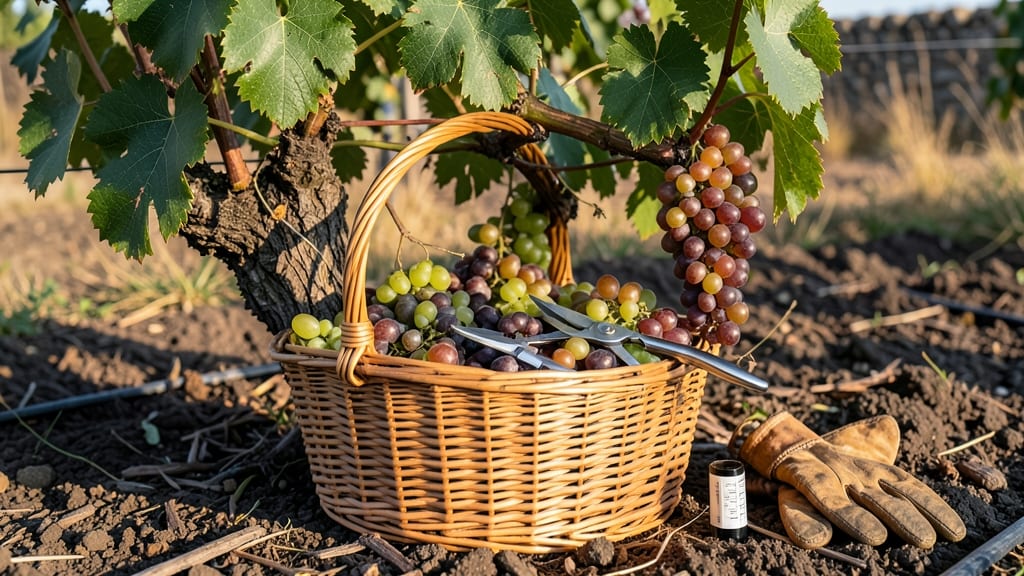
Harvesting grapes at the right time ensures sweet, flavorful fruit 🍇—and missing the window can leave you with tart, underripe clusters.
Picking grapes at the wrong time can mean the difference between a sweet, flavorful harvest and a bitter, underripe disappointment—here’s how to nail the perfect moment every season.
Start by checking the color: deep, consistent hues signal ripeness, but don’t rely on looks alone. A refractometer measures sugar content, while a gentle twist test confirms texture readiness.
From table grapes to wine varieties, timing varies—learn the 3 key checks to avoid common mistakes and maximize your harvest’s potential.
3 Color-stage checks to determine grape ripeness
Harvesting grapes at the perfect moment transforms your vineyard into a sweet, flavor-packed success—while picking too early or late ruins everything. The three color-stage checks I rely on every season help me pinpoint the ideal harvest window.
These visual cues—skin color, pulp transparency, and seed development—vary slightly by grape type, but mastering them guarantees grapes that burst with flavor and texture.
First, let’s tackle the most obvious clue: skin color.
For red grapes, look for a deep, vibrant hue—think rich burgundy or ruby tones. White grapes should shift from pale green to golden or pale yellow, depending on the variety. Black grapes, like Concord, turn from purple-black to a glossy, inky shade.
Pro tip: Use a color chart for your specific variety to compare against, as some grapes darken unevenly.
Next, examine the pulp transparency by holding a grape up to natural light. Fully ripe grapes should let light pass through with minimal cloudiness. Underripe grapes appear almost opaque, while overripe grapes may show a watery sheen.
This test works best in the morning when grapes are hydrated and firm. If you’re unsure, slice one open—ripe pulp should feel juicy and slightly gelatinous.
Don’t overlook the seed development, a hidden but critical clue. Fully ripe grapes have seeds that turn from white to brown and feel slightly soft when pressed between fingers. Underripe seeds stay hard and pale, while overripe seeds become mushy and discolored.
For wine grapes, slightly firmer seeds indicate higher acidity, which is ideal for fermentation. This check is especially useful for greenhouse-grown grapes, where color changes can be less pronounced.
Timing matters most for wine grapes, which need to balance sugar and acidity. Harvest too early, and you’ll end up with a tart, underwhelming wine. Too late, and the grapes lose acidity, resulting in a flat, overly sweet product.
I always harvest wine grapes in the early morning when temperatures are coolest to preserve acidity. For table grapes, aim for peak sweetness—usually when the grapes are slightly softer and the skin resists gentle pressure without bruising.
Regional climate plays a huge role in color-stage timing. In hotter climates, grapes ripen faster, so monitor them daily in late summer. In cooler areas, grapes may take longer to reach full color, so start checking 2 weeks earlier than your local average.
I’ve seen Concord grapes in upstate New York ripen by early September, while the same variety in California’s Central Valley might not be ready until mid-October.
One mistake I see often is relying only on color. Some grapes, like Muscadine, develop a thick skin that stays green even when ripe. Always combine the three checks—color, pulp, and seeds—for accuracy.
Another pro tip: Use a refractometer to measure sugar content (aim for 20-24 Brix for table grapes, 22-26 Brix for wine grapes). This tool confirms what your eyes might miss, especially on cloudy days.
For organic grape growers, avoid harvesting after rain, as moisture can dilute flavors and attract pests. Instead, pick on a dry, sunny morning when grapes are at their peak. Store harvested grapes in a cool, dark place (50-55°F) to slow ripening if you can’t process them immediately.
With these color-stage checks, you’ll never second-guess your harvest timing again—just imagine biting into a grape that’s perfectly sweet, juicy, and bursting with flavor.
🍇
Beyond color: taste and texture tests for perfect grapes
Color alone isn’t enough to guarantee perfect grapes—you need to test for sugar content, acidity balance, and stem separation. These 3 taste and texture tests reveal whether your grapes are truly ready to pick or still lingering on the vine.
Start with the sugar content test using a refractometer. Most table grapes should read 14-18 Brix, while wine grapes often need 20-24 Brix for full flavor development. Lower readings mean your grapes need more time on the vine.
A refractometer measures the grape’s soluble solids, which directly correlate to sweetness. For example, Thompson Seedless grapes typically hit 16-18 Brix at peak ripeness, while Concord grapes may reach 20+ Brix. Always check your variety’s ideal range before harvesting.
Next, perform the acidity balance test by tasting a grape straight from the vine. Overripe grapes taste flabby and overly sweet, while underripe ones are tart and sour. The perfect balance feels refreshingly sweet with a hint of tang—like biting into a ripe peach.
Finally, the stem separation test is a quick way to check texture. Gently twist a grape cluster—if the berries detach easily with a slight pop, they’re ready. If they resist or tear, they need more time. This test ensures your grapes won’t bruise during handling.
⚠️ callout warningHarvesting grapes too early ruins flavor and storage life. Overripe grapes ferment on the vine, turning mushy and attracting pests. Always confirm ripeness with 2+ tests—never rely on color alone.
🔹 Too early: Tart, hard, underdeveloped
🔹 Perfect: Sweet, plump, easy stem separation
🔹 Too late: Fermented, mushy, pest-magnet
For wine grapes, balance sugar and acidity is critical. Use a pH test strip (ideal range: 3.0-3.5) alongside your refractometer. High acidity can overpower sweetness, while low acidity makes wine taste flat.
Pro tip: Harvest in the early morning when grapes are coolest and most flavorful. Avoid picking after rain—wet grapes bruise easily and spoil faster. Store harvested clusters in a shady, well-ventilated area until ready to eat or process.