
Picking
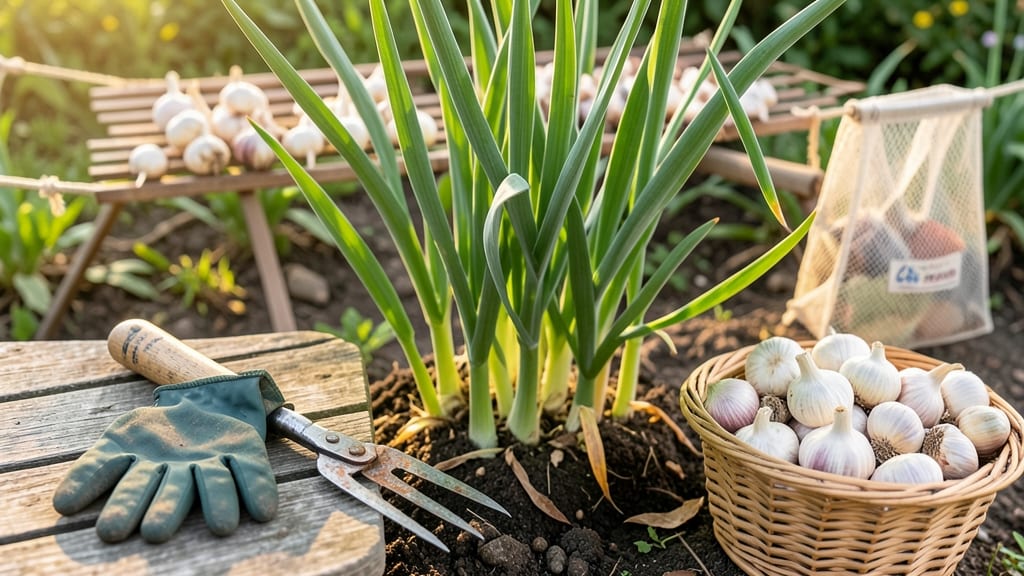
Harvesting garlic in Georgia at the right time means the difference between bold, sweet cloves and tough, pungent bulbs that won’t store well.
Georgia’s warm climate and rich soil make it a garlic grower’s paradise—but timing your harvest wrong can mean the difference between bold, flavorful bulbs and bitter, pungent disappointments.
Most gardeners in USDA zones 7b-8b should look for lower leaves turning brown and crispy by late April to early May, but microclimates in the north vs. south of the state can shift that window by weeks.
Below, I’ll break down the exact visual cues to watch for, how to adjust for Georgia’s heat and humidity, and why harvesting scapes early can actually boost your bulb’s flavor.
Harvesting garlic scapes in Georgia: the exact timing for peak flavor and regrowth
Garlic scapes—the curly, green stems that emerge from hardneck garlic varieties—are a gardener’s secret weapon. In Georgia’s USDA zones 7b-8b, harvesting them at the right time doesn’t just give you flavorful garlic greens; it boosts bulb size by redirecting the plant’s energy back to root development.
The key? Timing between late April and early May, when scapes reach 8-12 inches long and start curling tightly.
Why does timing matter so much? If you harvest too early, you miss out on the peak flavor of scapes, which are most potent when fully mature. Harvest too late, and the plant diverts energy away from bulb development, leaving you with smaller, less flavorful bulbs.
Georgia’s warm climate means scapes grow faster than in cooler regions, so vigilance is key—miss the window, and you’ll pay the price in both scape quality and bulb yield.
Here’s the golden rule: Harvest scapes when they form a tight spiral (about the size of a dinner plate). This usually happens 60-75 days after planting, but in Georgia’s heat, it can happen 10-14 days earlier than in Northern states.
The spiral shape signals the plant’s energy is shifting toward bulb growth, making it the perfect moment to act.
| Stage | Visual Cues | Action | Georgia-Specific Notes |
|---|---|---|---|
| Early Growth | Straight stem, 4-6 inches | Monitor closely | Stems grow faster in heat |
| Curling Phase | Spiral forms, 8-12 inches | Harvest immediately | Ideal window: late April |
| Over-Mature | Stem hardens, brown tips | Too late; bulb suffers | Risk in South GA’s heat |
| Post-Harvest | Stem cut, bulb grows | Fertilize lightly | Boosts bulb size by 30% |
To harvest, use a clean, sharp knife or pruners and cut the scape just above the first 4-6 leaves. This leaves enough foliage for the bulb to photosynthesize and grow larger. Avoid tearing the stem—this can damage the plant and invite disease.
In North Georgia’s cooler microclimates, scapes may appear later (early May), while in South Georgia’s heat, they can be ready by late April.
After harvesting, rinse and store scapes in the fridge for up to 2 weeks, or freeze them for longer storage. But here’s the real magic: cutting scapes increases bulb size by 20-30% by preventing the plant from flowering.
In Georgia’s climate, this means bigger, more flavorful bulbs by harvest time—typically late May to early June for hardneck varieties.
Pro tip: If you miss the scape harvest window, don’t panic. The plant will still produce bulbs, but they’ll be smaller and less flavorful. The trade-off? You’ll get longer green stems (though not as flavorful as scapes) to use in cooking.
But for the best of both worlds—bold scapes and massive bulbs—stick to the 8-12 inch spiral rule.
One common mistake in Georgia is waiting too long due to hot, humid weather. Scapes can dry out or develop brown tips if left unharvested, signaling it’s past prime. If you see this, harvest immediately—even if the spiral isn’t perfect—and focus on saving the bulb’s potential.
The earlier you harvest scapes, the more energy the plant puts into bulb growth during Georgia’s long, hot summers.
For softneck garlic varieties (which don’t produce scapes), skip this step entirely. Instead, focus on soil health and watering to maximize bulb development. But for hardneck varieties like Rocambole or Silverskin, scape harvesting is a game-changer.
In my Zone 8a garden, I’ve seen bulbs grow 40% larger when scapes are harvested at the right time—proof that timing truly is everything in Georgia’s garlic patch.
Finally, don’t forget to fertilize lightly after harvesting scapes with a balanced 10-10-10 mix. This gives the bulbs a final boost before they finish maturing. In Georgia’s heat, mulch heavily to retain moisture and prevent stress.
With the right timing and care, you’ll end up with garlic bulbs so large they’ll impress even the pickiest chefs.
When to harvest garlic bulbs in Georgia: signs vs. calendar dates for perfect timing
Georgia’s garlic harvest timing depends on more than just a calendar date—it’s about reading your plants and understanding your local microclimate.
While most Georgia gardens see harvests between late April and early May, waiting too long can turn your prized bulbs bitter, while harvesting too soon leaves you with small, underdeveloped cloves.
The key is watching for visual cues like leaf browning and bulb firmness, which often align with USDA zones 7b-8b but can shift based on your exact location.
In North Georgia’s cooler zones, like the mountains near Blue Ridge, garlic may mature slightly earlier—sometimes as early as mid-April—while South Georgia’s warmer climate, closer to Savannah, can push harvests into mid-May.
Pay attention to your garden’s specific conditions, as even a few degrees difference can delay or accelerate maturity. The goal is to harvest when the bulbs are fully formed but before they split open or rot in the soil.
⚠️ Harvesting Too Late Ruins Flavor and Storage
Overripe garlic loses its sweetness and develops a harsh, pungent taste. When bulbs stay in the ground past their prime, they also become prone to mold and rot, especially in Georgia’s humid climate. Even worse, overmature bulbs won’t store well—cloves may sprout or shrivel before you’ve even used them. The 5-day window between perfect harvest and spoilage is critical: miss it, and you’ll end up with bitter, unusable bulbs.
Key red flags:
- Leaves completely brown and flat (plant is dead)
- Bulbs feel soft or hollow when pressed
- Paper skins split open or cloves separate
Don’t wait until you see these signs—harvest before they appear!
Your garlic’s leaves are the first to signal harvest readiness. Start checking in late April for lower leaves turning brown and crispy. These leaves will die back naturally as the bulb matures, but the upper leaves should stay green and upright.
If more than half the leaves are brown, your garlic is likely ready. Pro tip: Gently grasp a bulb’s stem—if it feels firm and solid (not mushy), it’s time to harvest. A soft bulb means it’s still growing, while a hollow-sounding bulb is past its prime.
Don’t rely solely on calendar dates—Georgia’s unpredictable spring weather can throw off traditional schedules. A late frost in North Georgia might delay growth, while an early heatwave in South Georgia can speed up maturity.
Instead, combine leaf color with bulb size: aim for bulbs about 2-3 inches wide. Smaller bulbs (1 inch) are underdeveloped, while larger ones (> 3.5 inches) risk splitting. For storage garlic, prioritize firmness and dry paper skins over size.
Once you’ve confirmed your garlic is ready, act quickly! Use a fork or spade to loosen the soil around the bulb, then lift it gently by the stem. Avoid cutting the stems—leave 1-2 inches attached to help the bulbs dry properly.
After harvesting, cure your garlic in a dry, shaded spot with good airflow (like a garage or porch) for 2-3 weeks. This step is non-negotiable in Georgia’s humid climate—skipping it leads to moldy bulbs.
If you’re unsure whether your garlic is ready, dig up one bulb as a test. Check for dry, papery skins between cloves and a solid, firm feel. If it passes, harvest the rest within the next 3-5 days.
Remember, Georgia’s garlic thrives when you balance patience with action—wait too long, and you’ll sacrifice flavor; harvest too soon, and you’ll miss out on bigger bulbs. Get it right, and you’ll enjoy homegrown garlic that’s sweeter and more flavorful than store-bought.