
How To
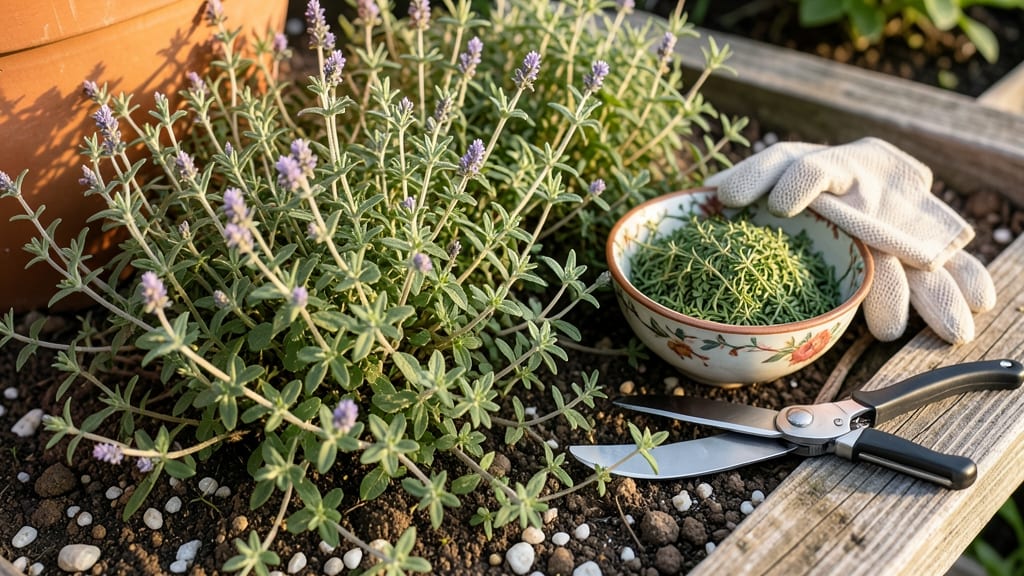
To harvest thyme so it keeps growing, focus on trimming 1/3 of the plant just above a leaf pair in late spring or early summer—this triggers bushier regrowth while preserving its hardy structure.
Struggling to keep your thyme bushy and thriving? Harvesting at the wrong time or too aggressively can stunt growth—or worse, kill your plant. The secret lies in mastering the prune-and-regrow method, a simple technique that ensures your thyme stays lush, productive, and healthy year after year.
Most gardeners make the mistake of cutting back too late in the season or snipping woody stems, which signals the plant to slow down. Instead, time your harvests with the growing season, use sharp scissors, and never remove more than one-third of the foliage at once.
Below, I’ll walk you through the exact timing, cutting techniques, and post-harvest care to keep your thyme thriving—plus how to revive it if you’ve overdone it in the past.
Best time and technique for harvesting thyme without killing growth
Harvesting thyme at the right time and with the right technique is the key to keeping your plant thriving. Spring and early summer are the ideal seasons because this is when thyme grows most vigorously.
If you harvest too late in the season, you risk stunting new growth before winter dormancy sets in. The 1/3 rule is my go-to method: never remove more than one-third of the plant in a single harvest.
Using the correct tools makes all the difference. A pair of sharp, clean pruning shears or even kitchen scissors will give you clean cuts that heal faster. Avoid tearing stems, as this can invite disease and stress the plant.
Always sanitize your tools with rubbing alcohol before and after use to prevent spreading pathogens between plants.
Timing your harvests based on the plant's growth cycle ensures you don't overharvest. New growth should appear within 3-4 weeks after a proper trim. If you notice slow regrowth, you may be harvesting too frequently or too aggressively. Thyme is resilient, but even it has limits!
How to Harvest Thyme So It Keeps Growing
- Wait for the right season: Harvest in spring or early summer when thyme is actively growing. Avoid cutting back in fall or winter when growth slows.
- Use the 1/3 rule: Never remove more than one-third of the plant at once. This ensures enough foliage remains to fuel photosynthesis and regrowth.
- Cut just above a leaf pair: Make your cuts 1/4 inch above a leaf node (where leaves meet the stem). This encourages new shoots to sprout from that point.
- Avoid woody stems: If stems feel hard and woody, they’re past their prime. Focus on harvesting green, flexible stems for the best regrowth and flavor.
- Harvest in the morning: Pick thyme after dew has dried but before the heat of the day. This preserves essential oils and keeps leaves fresh longer.
- Space out harvests: Give thyme 4-6 weeks between trims to recover. Over-harvesting leads to sparse, leggy growth and weakens the plant.
Seasonal variations play a huge role in thyme's regrowth. In spring, focus on light trims to encourage bushiness. By late summer, reduce harvesting to allow the plant to store energy for winter.
If you live in a warmer climate, you can extend harvests into early fall, but always stop before the first frost.
Over-harvesting is the #1 mistake that kills thyme growth. If your plant looks bare or leggy, it’s a sign you’ve been too aggressive. To fix this, trim back any long, bare stems and reduce future harvests. Within a few weeks, you should see fresh, vibrant growth.
After harvesting, don’t just toss the stems! Use them to propagate new plants or dry them for later use. To dry thyme, bundle stems and hang them upside down in a dark, dry, well-ventilated space for 1-2 weeks.
This doubles as a way to encourage regrowth—your thyme will appreciate the break!
Pay attention to your thyme’s water and sunlight needs after harvesting. While thyme is drought-tolerant, it still needs consistent moisture during regrowth. Water deeply but infrequently, and ensure it gets 6+ hours of sunlight daily. A lack of light or water will slow down recovery.
If you’re growing thyme in containers, be extra cautious with harvests. Potted thyme has limited root space, so over-pruning can stress the plant faster. In this case, stick to light trims every 6-8 weeks and fertilize lightly with a balanced herb fertilizer to support regrowth.
With the right timing and technique, your thyme will reward you with lush, aromatic foliage for years. The key is patience—let your plant recover between harvests, and it’ll thrive season after season. Happy harvesting! 🌿✂️🌱
How to prune thyme for continuous regrowth: a seasonal guide
Thyme thrives when you work with its natural growth cycles, not against them. The key to continuous regrowth lies in seasonal pruning—each season offers a unique opportunity to shape your plant while encouraging new shoots.
I’ve learned that spring is for revival, summer for maintenance, and fall/winter for protection. Let’s break down how to prune thyme at each stage to keep it lush and productive all year.
Your thyme’s growth rhythm depends on timing. Pruning too early in spring can shock tender new shoots, while waiting too late in fall risks exposing it to frost damage. The goal is to stimulate regrowth without stressing the plant.
I’ve found that harvesting stems just as they begin to flower signals the plant to focus on leaf production, not seeds. This simple trick keeps thyme bushier and more aromatic.
🌿 Numbered Highlights: Seasonal Pruning Schedule
- Spring (March-April): Cut back 1/3 of growth to encourage new shoots. Focus on woody stems—trim just above a leaf node.
- Summer (May-August): Harvest flowering stems first to preserve aroma. Trim 1/4 of growth every 4-6 weeks to maintain shape.
- Fall (September-October): Light pruning only—remove dead or yellowing leaves to prevent disease before dormancy.
- Winter (November-February): No pruning—let thyme rest. Protect from frost with mulch if in colder zones.
💡 Pro Tip: Always use clean, sharp shears to avoid damaging stems.
After pruning, repurpose your harvest to maximize yield. Bundle stems and hang them upside down in a dry, dark place to preserve their flavor for months. Or, freeze fresh sprigs in ice cubes for easy cooking access later.
I’ve found that drying thyme in small batches retains more aroma than bulk drying. Just remove leaves from stems before storing to keep them fresh and potent.
In summer, thyme’s rapid growth means frequent pruning is key. I prune mine every 4-6 weeks to prevent it from becoming leggy. Always cut just above a leaf node—this is where new growth emerges.
Avoid cutting into woody stems, as they won’t regrow. Instead, focus on the soft, green tips to keep the plant compact and highly aromatic.
As fall arrives, thyme slows down, but it’s not time to neglect it. Remove any dead or diseased foliage to keep the plant healthy. I also reduce watering in late fall to prepare thyme for dormancy.
Adding a light layer of mulch helps insulate roots and protects against frost heave. This simple step ensures your thyme rebounds strongly in spring.
Winter is the resting season for thyme, but that doesn’t mean you can ignore it. Avoid pruning entirely—new growth won’t emerge until spring. Instead, check for pests or damage and remove any debris around the plant.
If you’re in a colder climate, consider covering thyme with burlap or a frost cloth during extreme cold snaps. This small effort pays off with vigorous regrowth once temperatures rise.
By following this seasonal pruning guide, your thyme will stay bushy, productive, and healthy for years. The key is consistency and respecting the plant’s natural cycles.
With a little attention each season, your thyme will reward you with abundant harvests and fragrant foliage all year round. Happy pruning! 🌿