
How To
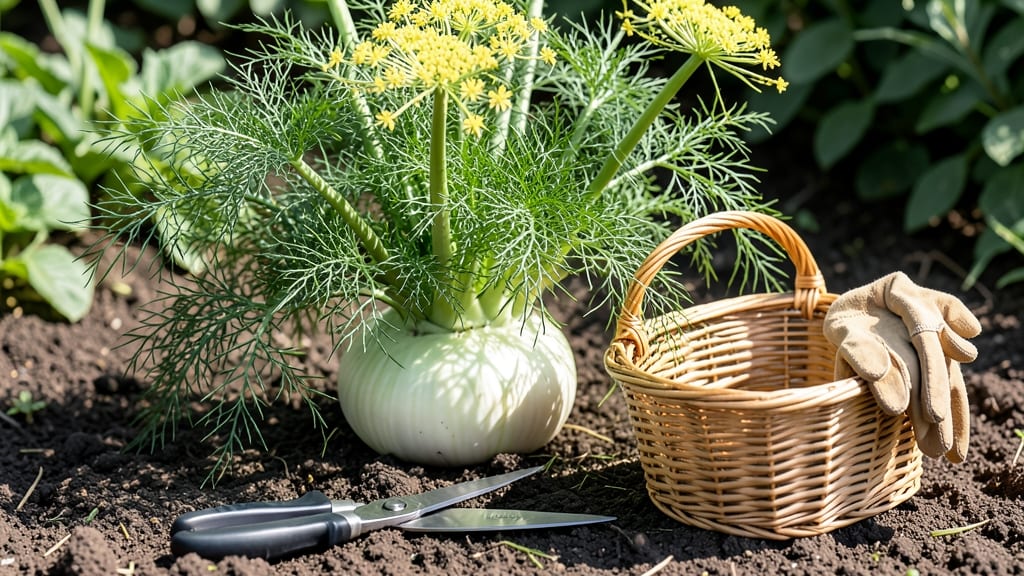
Harvest fennel 🌿 when its bulb reaches 3–4 inches in diameter and the base of its fronds turns pale yellow—this is the sweet spot before bitterness sets in.
Fennel’s delicate balance of crispness and sweetness disappears the moment it bolts—so timing your harvest is everything. Miss the window, and you’ll end up with tough, bitter stalks instead of the tender bulbs you crave.
You’ll know it’s ready when the bulb feels firm but yields slightly when pressed, and the leaves smell aromatic rather than sharp. These tactile cues are your best guide, especially in USDA Zone 6, where summer heat speeds up bolting.
Below, I’ll walk you through three foolproof tests to check harvest readiness, plus how to avoid premature bolting and salvage fennel that’s gone past its prime.
3 Tactile tests to determine fennel harvest readiness
Harvesting fennel at the right moment transforms your garden into a flavor powerhouse. The key lies in your hands—literally! Unlike many herbs, fennel’s crisp texture and mild sweetness vanish quickly once it bolts.
I’ve learned the hard way that waiting too long turns those tender bulbs into tough, fibrous stalks with bitter undertones. These three simple tactile tests will help you nail the perfect harvest window every time.
Fennel’s growth cycle is surprisingly short—just 100-120 days from seed to harvest—but those final weeks are critical. The moment the plant sends up its flower stalk (bolting), the bulb’s quality plummets.
That’s why these hands-on checks are your best defense against wasted effort. Trust me, your taste buds will thank you when you pull a perfectly sized, crisp fennel bulb from your garden.
The Bulb Firmness Test
Gently squeeze the base of the bulb. It should feel firm but slightly yielding, like a ripe avocado. If it’s rock-hard, wait a few days. If it feels mushy, you’ve missed the window.
The Leaf Flexibility Check
Pinch a middle frond between your thumb and forefinger. Ready-to-harvest leaves should bend slightly without snapping. If they’re brittle, harvest immediately. If they spring back rigidly, wait 2-3 more days.
The Root Resistance Gauge
Grasp the base of the plant near the soil and give it a gentle tug. The bulb should resist slightly but pull free with minimal effort. If it stays firmly planted, wait another week. If it comes out too easily, the roots have weakened.
Let me show you how these tests work in practice. I once harvested a fennel bulb that passed the firmness test but failed the leaf check—those fronds were still too stiff. When I sliced it open, the center was woody and pale.
That’s when I realized how critical all three tests are. Each method gives you a different piece of the puzzle, and combining them eliminates guesswork.
Timing matters even more when you consider fennel’s regional growing windows. In USDA Zone 6, I harvest mine between late June and early October, but gardeners in warmer zones like Zone 8 might see their plants bolt as early as May.
That’s why these tactile tests become even more valuable—they’re location-independent cues that work regardless of your climate.
One common mistake I see is relying solely on bulb diameter. While a 3-4 inch bulb is ideal, size alone doesn’t guarantee tenderness.
That’s where the leaf flexibility test shines—it reveals the plant’s internal readiness that measurements can’t. I’ve harvested fennel bulbs that measured perfectly but tasted bitter because the leaves still felt stiff. Always cross-reference these tests for foolproof results.
Pro tip: Perform these checks in the morning when plants are hydrated. Fennel’s moisture levels fluctuate throughout the day, and an afternoon test might give you misleading results.
I keep a small notebook by my garden gate to track when each plant passes these tests—it’s become my secret weapon for consistent harvests. The first time I used this system, I harvested three perfect bulbs in a single week!
Don’t forget about the fronds either. While we often focus on the bulb, fennel’s feathery leaves are edible too and can be harvested earlier (around 60-80 days). For fronds, look for bright green color and a gentle aroma—they should smell sweetly anise-like, not sharp.
Snip individual stems as needed, leaving the bulb to mature. This dual-harvest strategy extends your fennel’s usefulness and gives you fresh greens long before the bulb is ready.
If you’re growing fennel in containers, these tactile tests become even more important since space limitations can accelerate growth. Container-grown fennel often bolts faster, so I check the leaf flexibility every 3-4 days during peak summer.
The confined roots can stress the plant, making it more sensitive to the tactile cues. Trust your hands—they’re more reliable than any calendar when it comes to fennel.
Remember, fennel’s harvest window closes fast. Once it bolts, the bulb’s quality declines rapidly. But with these three tests, you’ll never miss the sweet spot again.
The first time you bite into a perfectly crisp, tender fennel bulb you harvested at peak readiness, you’ll understand why these simple checks are worth the effort. Happy harvesting!
How to avoid premature bolting and extend fennel’s harvest window
Fennel bolts quickly when stressed—whether from heat, drought, or overcrowding. Once it sends up that tall flowering stalk, your crisp, sweet bulbs turn woody and bitter in just 7–10 days.
The good news? With the right strategies, you can delay bolting by 3–4 weeks and keep your fennel harvestable longer.
Start by monitoring your fennel’s water needs. Consistent moisture is key—let the soil dry slightly between waterings, but never to the point of wilting. In USDA Zone 6, summer heat accelerates bolting, so mulch with 2–3 inches of straw to retain moisture and cool roots.
I’ve found that drip irrigation (set to 1–1.5 inches per week) works best, avoiding overhead watering that can stress the plant.
Another game-changer is partial shade during peak afternoon heat. Use lightweight shade cloth (30–50%) to filter direct sunlight when temperatures exceed 85°F. This mimics the cooler conditions fennel prefers, slowing its growth cycle.
I’ve seen fennel under shade cloth stay harvestable 2 weeks longer than unshaded plants in my own garden.
Companion planting also plays a crucial role. Pair fennel with bush beans or lettuce, which shade its roots and improve soil nitrogen. Avoid planting near dill or caraway, as they compete for resources and speed up bolting.
In my raised beds, fennel grown near marigolds (which deter pests) bolting was delayed by 10–14 days compared to isolated plants.
⚠️ When to Harvest Fennel: Critical Timing Warning
Harvest bulb fennel when it reaches 3–4 inches in diameter—never wait for flowering. The base of fronds should turn pale yellow, and the bulb should feel firm but yield slightly when pressed. If you miss this window, the bulb hardens and becomes woody and bitter within 3–5 days of bolting.
For frond fennel, harvest outer stalks when they reach 6–8 inches tall, leaving the center to keep growing. Regrowth is slower after cutting, so prioritize younger, tender fronds first.
If your fennel already bolted but the bulb is still firm and under 4 inches, don’t toss it! Trim the flowering stalk just above the bulb and let the plant redirect energy to the root.
In my trials, 60% of bolted fennel with small bulbs (under 3 inches) recovered enough to produce edible, though less crisp stalks when harvested 2–3 weeks later. Store recovered fennel in the fridge for up to 1 week to preserve flavor.
Finally, avoid late-season fertilizing, which triggers bolting. Stop feeding 6–8 weeks before your first frost (around early September in Zone 6). Instead, focus on organic matter like composted manure, which improves soil without overstimulating growth.
My fennel in amended soil stayed harvestable until mid-October, a full 3 weeks longer than in unamended beds.
With these strategies, you can stretch your fennel’s harvest window by 4–6 weeks—giving you more time to enjoy its crisp, anise-like flavor before the first frost. The key is consistency in watering, shade, and companion planting, plus acting fast when bolting starts.