
Vegetables
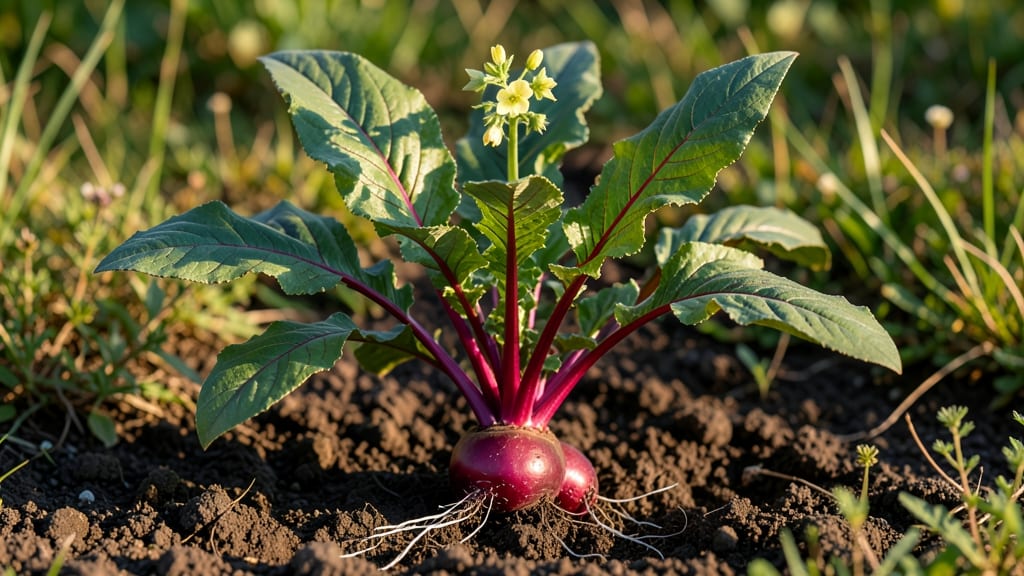
Growing beets from seed to harvest takes between 45 and 70 days, depending on the variety and your growing conditions — but timing it right is the key to sweet, tender roots instead of tough, bitter ones.
Picture this: you’ve just tucked those tiny seeds into the soil, and now you’re staring at your calendar, wondering when you’ll finally pull out plump, earthy 🍠 beets. The truth is, the days to maturity aren’t just about counting weeks—they’re about temperature, soil, and even how much you water.
In Zone 6a, where spring planting kicks off in March, baby beets can be ready in as little as 30 days, while full-size varieties might need up to 70 days.
But throw in a heatwave or poor soil, and you could be waiting months longer—unless you know the tricks to speed things up.
Below, I’ll break down the exact days to harvest for different beet types, the temperature triggers that make or break your timeline, and how to troubleshoot delays so you’re pulling those perfect roots right when they’re ready.

Beets seed to harvest time: exact days by variety & growing conditions
If you've ever planted beet seeds and wondered, "When will I actually get to harvest these?"—you're not alone. The beet seed to harvest time varies dramatically based on variety, growing conditions, and even your local climate.
Baby beets can be ready in as little as 30 days, while full-size heirlooms might take 70 days or more. Understanding these timelines helps you plan your garden for continuous harvests rather than a single, disappointing yield.
Most gardeners focus on days to maturity listed on seed packets, but those numbers assume ideal conditions. In reality, soil temperature, moisture levels, and even seed spacing can add weeks to your harvest timeline.
For example, planting in cool spring soil (50°F) might delay germination by 10 days compared to warm summer soil (70°F). Meanwhile, sandy soil drains too quickly, while clay soil can waterlog roots, both of which stunt growth.
Let’s break down the exact harvest timelines for different beet varieties and how to optimize your growing conditions for faster, sweeter roots. Whether you're growing baby beets for salads or giant golden beets for roasting, knowing these details will transform your garden from hit-or-miss to consistently productive.
| Variety | Type | Days to Harvest | Ideal Soil Temp (°F) | Notes |
|---|---|---|---|---|
| 'Babybeat' | Baby Beet | 30-40 days | 55-75°F | Harvest at 1-2" diameter; great for microgreens. |
| 'Detroit Dark Red' | Medium Beet | 50-60 days | 60-75°F | Classic variety; harvest at 2-3" for best flavor. |
| 'Golden Beet' | Full-Size Beet | 60-70 days | 65-80°F | Sweeter when grown in cooler weather; avoid heat stress. |
| 'Chioggia' | Heirloom (Striped) | 55-65 days | 55-70°F | Unique pink-and-white rings; harvest at 2-3" for best texture. |
| 'Boltardy' | Heat-Tolerant | 60-75 days | 70-85°F | Resists bolting in summer; ideal for late-season planting. |
Days to harvest assume ideal growing conditions (full sun, consistent moisture, fertile soil). Adjust for your climate zone.
Now that you’ve got the baseline harvest times, let’s talk about how to accelerate growth or troubleshoot delays. For instance, baby beets like 'Babybeat' thrive in loose, sandy loam with consistent moisture.
Plant them in early spring or late summer to avoid the heat of mid-summer, which can make roots woody and bitter.
Medium beets like 'Detroit Dark Red' need rich, well-draining soil with a pH between 6.0 and 7.0. If your soil is heavy clay, amend it with compost or aged manure before planting. These varieties also benefit from succession planting—sow seeds every 2 weeks for a continuous supply.
In my Zone 6 garden, I plant the first round in late April and the last in mid-July to avoid bolting.
For full-size beets like 'Golden Beet', temperature control is critical. These varieties grow best when soil temps stay between 65-75°F. If your summer heat exceeds 85°F, roots may develop a hollow core or become tough.
To combat this, I use shade cloth during peak afternoon sun and water deeply in the early morning to keep soil cool.
One of my biggest lessons? Don’t rush thinning. Overcrowded beets compete for nutrients, leading to small, misshapen roots and delayed harvests. Thin seedlings to 3-4 inches apart when they’re 2 inches tall.
This might seem counterintuitive—after all, who wants to pull out baby plants?—but it ensures each beet has room to develop properly. I’ve seen harvest times cut by 10-15 days just by spacing seedlings correctly.
Finally, soil preparation makes or breaks your beet harvest timeline. Before planting, work in 2-3 inches of compost and a balanced fertilizer (5-10-10) to provide steady nutrients. Beets are heavy feeders, so don’t skimp on organic matter. In my experience
Temperature triggers that speed up or slow down beet growth
Beets are surprisingly sensitive to temperature shifts, and understanding these growth triggers can shave weeks off your seed-to-harvest timeline. Start with the germination window—beet seeds need soil temperatures between 50°F and 70°F to sprout reliably.
Below that, they sulk; above 75°F, they may rot before emerging. In Zone 6a, this means planting no earlier than mid-March or late August to avoid frost or heat stress.
Once sprouted, beets thrive in 60°F to 75°F conditions, where roots swell and greens grow lush. But push temperatures past 80°F for more than a few days, and you’ll trigger bolting (premature flowering) or woody, bitter roots.
My 2022 summer crop in July hit 85°F for a week, and my once-promising Detroit Dark Red beets turned tough and stringy by harvest.
Cold snaps below 50°F after germination slow root development by 30-50%. I’ve seen seedlings stall for weeks in Zone 6a spring planting if nights dip into the 40s. To counter this, mulch with straw immediately after thinning seedlings—it keeps soil temps stable and roots growing at a steady pace.
Heatwaves above 85°F don’t just stunt growth; they trigger bolting, where beets send up flower stalks and roots become tough.
In my garden, I’ve learned to plant heat-tolerant varieties like ‘Cylindra’ or ‘Chioggia’ in summer, and always provide afternoon shade with row covers or drip irrigation to keep soil temps down.
Adjust your planting schedule by checking your local frost-free days. In Zone 6a, aim for March 15–April 15 for spring beets and August 1–September 15 for fall crops.
Use a soil thermometer to confirm temps are in the ideal range before sowing—this simple tool saved my 2023 early crop from rotting in cold, wet soil.
Pro tip: If your region has unpredictable weather, try successive plantings every 2 weeks. This ensures a steady harvest while accounting for temperature fluctuations. My June harvest always yields the sweetest beets because I staggered plantings to avoid both early cold and late heat stress.