
Picking
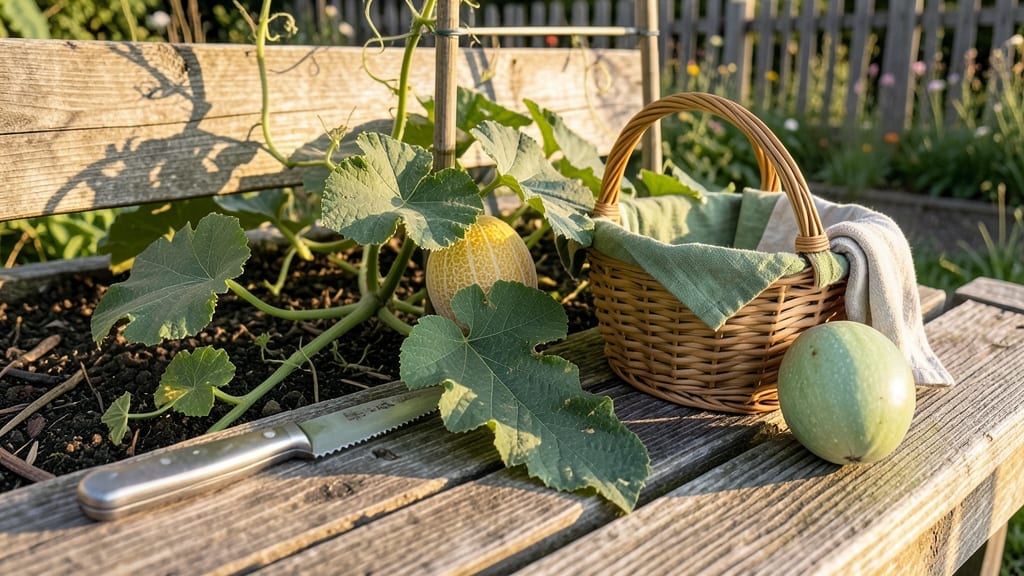
Harvesting cantaloupe from your garden at the right time means the difference between sweet, juicy perfection and bland or overripe disappointment.
Picture this: you’ve waited months for your 🍈 to ripen, only to pick them too early—tough and seedy—or too late, watching your plants bolt before they deliver that signature sweetness. The key is knowing exactly when to act, and it’s all about reading the fruit’s cues.
From a creamy yellow rind to a musky aroma and a stem that separates easily, there are three foolproof signs your cantaloupe is ready. Miss them, and you risk wasting your hard work—or worse, ending up with melons that never reach their full potential.
In this guide, I’ll walk you through how to check ripeness without cutting into the fruit, what to do if you harvest too early or too late, and how to store them for maximum freshness. No more guesswork—just perfect, garden-fresh cantaloupe every time.


3 Visual signs your cantaloupe is ready for harvest (before it overripens)
Harvesting cantaloupe at the perfect moment means the difference between juicy, sweet perfection and tough, bland disappointment. Unlike some fruits, cantaloupes don’t ripen well after picking, so timing is everything.
I’ve learned the hard way—waiting too long means overripe melons that collapse on the vine, while harvesting too early leaves you with hard, flavorless pulp. Let’s focus on the 3 foolproof visual cues that tell you it’s time to pick.
First, pay attention to the rind color. A ripe cantaloupe’s skin shifts from a dull green to a creamy yellow or tan, especially near the stem. This color change signals the fruit’s sugars have fully developed.
I always check the blush area (the yellow-orange patch) first—if it’s spread evenly, that’s a great sign. But here’s the catch: some varieties stay greenish even when ripe, so don’t rely on color alone.
The second clue is the stem separation. When your cantaloupe is ready, the stem near the fruit will dry out and turn brown, and the fruit will slip easily from the vine with just a gentle twist.
I test this by giving the melon a slight tug—if it releases without resistance, it’s prime. If the stem is still green or the fruit resists, it needs more time. This trick saves me from picking melons that aren’t ready, which can spoil quickly.
Lastly, trust your nose! A ripe cantaloupe emits a sweet, musky aroma near the stem. If you sniff the blossom end (the flat side) and catch that intense, honey-like scent, that’s your green light.
Pro tip: If you’re unsure, sniff the stem first—it’s often the strongest indicator. I’ve missed this cue before, leading to melons that were underripe and seedy or overripe and mushy.
| Sign | What to Look For | Why It Matters |
|---|---|---|
| Rind Color | Creamy yellow/tan (especially near stem) | Indicates full sugar development |
| Stem Separation | Brown, dry stem; fruit slips easily | Shows natural detachment from vine |
| Aroma | Sweet, musky scent near stem | Confirms peak ripeness and flavor |
The rind texture is another subtle but important detail. Run your thumb over the blossom end—it should feel slightly soft and spongy, not hard or waxy. I compare it to the feel of a ripe peach: firm but yielding.
If the rind is still tough, the melon needs more time. This test is especially useful for green-skinned varieties, where color isn’t a reliable indicator.
Don’t overlook the fruit’s weight. A ripe cantaloupe feels heavy for its size because the flesh is dense with juice and sugars. Lift a candidate melon—if it feels light or hollow, it’s not ready.
I’ve used this trick to spot underripe melons in my garden, avoiding the disappointment of cutting into one that’s still watery and bland.
Regional differences can affect ripening too. In hot, dry climates, cantaloupes ripen faster and may need harvesting earlier. Meanwhile, in cooler areas, they might take longer. I adjust my timing based on local weather—if temperatures drop unexpectedly, I check for ripeness more frequently.
Always prioritize the visual cues over calendar dates, as environmental factors play a huge role.
One common mistake I’ve seen (and made!) is assuming a cantaloupe is ripe just because it’s large enough. Size doesn’t equal sweetness—some melons stay small but pack incredible flavor, while others grow huge but taste like watery cardboard.
That’s why I always combine all three signs: color, stem separation, and aroma. When they align, I know it’s harvest time.
Finally, act quickly once you spot these signs. Cantaloupes left too long on the vine can overripen and rot, especially in humid conditions. I’ve learned to harvest within 24 hours of noticing all three cues to ensure the best flavor.
Store them in a cool, dry place (not the fridge) to preserve their sweetness for up to a week.
How to check cantaloupe ripeness without cutting it open (preventing spoilage)
Testing cantaloupe ripeness without cutting into the fruit saves you from wasted effort and spoiled harvests. The key is using non-destructive methods that reveal the fruit’s internal sweetness and texture without damage.
I’ve perfected these techniques over years of gardening—no more guessing games or cutting into melons that aren’t ready. The best part? These methods work for all cantaloupe varieties, whether they’re green-skinned or traditional yellow.
Start with the gentle thumb pressure test. Press your thumb firmly on the blossom end (the flat side) of the cantaloupe. A ripe melon will feel slightly soft and spongy, almost like pressing a ripe avocado. If it feels hard or springs back immediately, it needs more time.
I compare it to pressing my thumb into a ripe peach—just enough give without being mushy. This test is especially useful for green-skinned varieties, where color isn’t always a reliable indicator.
Next, perform the vine separation test. Gently twist the cantaloupe at the stem—it should detach easily with just a slight tug. If the stem stays attached or requires force, the melon isn’t ready.
I’ve learned to do this test in the morning when the fruit is coolest, as heat can make the vine feel slightly looser even if the melon isn’t ripe. Pro tip: If the stem breaks off cleanly and the fruit slips free, you’ve got a winner.
The aroma sniff test is my favorite non-destructive trick. Hold the cantaloupe near your nose and sniff the blossom end. A ripe cantaloupe emits a sweet, musky scent that’s unmistakable—like a mix of honey and fresh-cut grass.
If you catch only a faint or sour smell, the melon needs more time. I’ve trained my nose to detect this scent even from a distance, which helps me spot ripe melons in my garden without disturbing them. For green-skinned varieties, the aroma is often the most reliable indicator.
Don’t overlook the sound test. Tap the cantaloupe gently with your knuckles—it should sound hollow but solid, like a well-filled drum. If it sounds dull or flat, the fruit is underripe.
I’ve used this trick to identify ripe melons hidden under vines, saving me from missing the perfect harvest window. Combine this with the other tests for the most accurate results. Remember, cantaloupes don’t ripen well after picking, so timing is critical.
Regional climate affects ripening speed. In hot, dry areas, cantaloupes may ripen faster and need harvesting earlier. In cooler climates, they might take longer. I adjust my testing schedule based on local weather—checking melons more frequently during heatwaves or unexpected cool spells.
Always prioritize the non-destructive tests over calendar dates, as environmental factors can shift ripening timelines dramatically.
Once you’ve confirmed ripeness, harvest within 24 hours to preserve sweetness. Store cantaloupes in a cool, dry place (not the fridge) to maintain their flavor for up to a week.
Avoid cutting into them until you’re ready to eat—this prevents spoilage and keeps the fruit fresh longer. With these non-destructive methods, you’ll never miss the perfect harvest again!