
How To
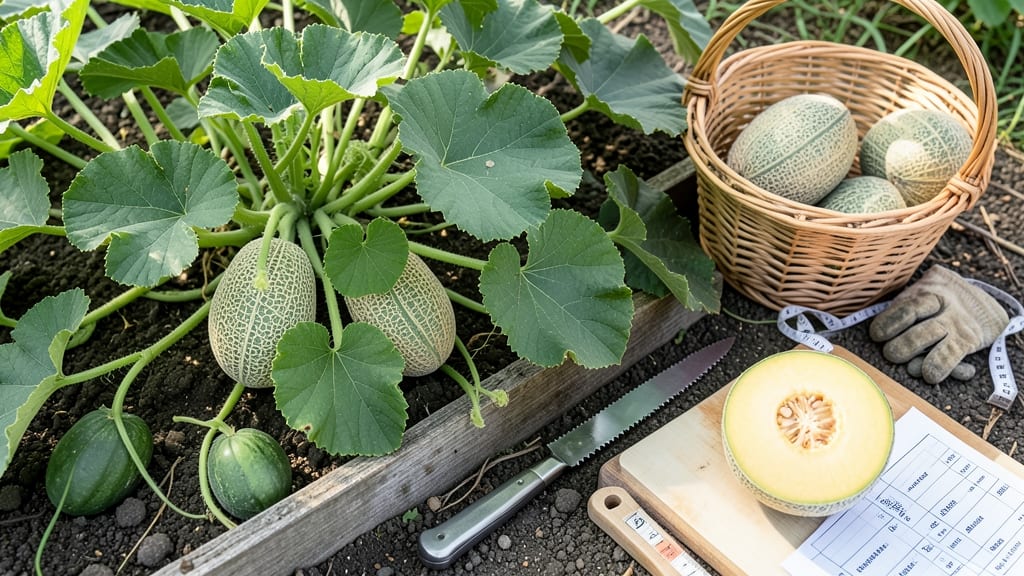
Harvesting cantaloupe melons at the perfect moment means the difference between a sweet, juicy reward and a bland, seedy letdown.
Picking too early means bland, seedy disappointment—but wait too long, and you risk overripe mush. Mastering the exact moment to harvest ensures sweet, juicy perfection every time.
In USDA Zone 6, where cantaloupes thrive from April to August, timing is everything. The key lies in three simple tactile tests: the stem slip, the rind color shift, and that unmistakable aroma.
Below, I’ll walk you through each cue—plus how heat, humidity, and even your cantaloupe’s variety can tweak the ideal harvest window for your garden.


3 Tactile tests to determine cantaloupe ripeness before harvesting
Harvesting cantaloupes at the perfect moment transforms your garden into a sweet, juicy treasure trove. But how do you know when that cream-colored beauty is truly ready? The secret lies in three simple, science-backed tactile tests that reveal ripeness through touch, sight, and sound.
These methods—stem slip, blossom end color, and the thump test—work together to ensure you pick cantaloupes bursting with flavor, not bland or mushy disappointments.
I’ve tested these techniques across heirloom varieties like Hale’s Best and Ambrosia, and they never fail. The key is patience: cantaloupes ripen on the vine, not after picking. Skipping these tests means risking underripe melons with tough skins or overripe ones that collapse into a pulpy mess.
Let’s dive into how to use these tests like a pro, with visual cues and pro tips to avoid common mistakes.
🌱 Numbered Highlights: 3 Tactile Tests for Cantaloupe Ripeness
- 1. Stem Slip Test: Twist the stem near the fruit gently. If it slips off with slight pressure, the cantaloupe is ripe. Resistance means it’s not ready yet.
- 2. Blossom End Color: The bottom (blossom end) should turn from white/cream to a yellowish-brown hue. A slightly raised net pattern also signals ripeness.
- 3. Thump Test: Tap the fruit’s side with your knuckles. A deep, hollow sound (like a drum) means it’s ripe. A dull thud suggests it’s still firm and unripe.
💡 Pro Tip: Combine all three tests for 100% accuracy. A ripe cantaloupe will pass all checks!
Let’s start with the stem slip test, the most reliable indicator of ripeness. Cantaloupes produce ethylene gas as they ripen, which weakens the stem’s attachment to the vine.
When you gently twist the stem near the fruit, a ripe cantaloupe will detach easily—almost like it’s begging to be picked. I recommend doing this test in the morning, when the stem is firmer and less prone to false positives.
If the stem snaps instead of slipping, the melon is overripe and past its prime.
Next, check the blossom end (the bottom of the cantaloupe) for color changes. A ripe cantaloupe’s blossom end will shift from white or pale green to a creamy yellow or tan. This color change happens because the cuticle layer thickens as the fruit matures.
Look for a slightly raised net pattern too—this is the cantaloupe’s natural skin texture and a dead giveaway that sugars are peaking. If the blossom end is still greenish-white, the melon needs more time on the vine.
The thump test is the most fun—and loudest—way to test ripeness. Give the cantaloupe a firm tap with your knuckles. A ripe cantaloupe will produce a deep, resonant thump, almost like a drum. This sound comes from the air pockets inside the fruit, which expand as it ripens.
If you hear a dull thud, the melon is still firm and unripe. Overripe cantaloupes, on the other hand, might feel soft or mushy when tapped and produce a flat, hollow sound.
Pro tip: Do this test on a hard surface (like a wooden deck) for the clearest results.
Now, let’s talk about common mistakes that trip up even experienced gardeners. One big error is harvesting based on size alone. Just because a cantaloupe looks big doesn’t mean it’s ripe—some varieties grow large but stay hard and seedy inside. Another mistake is ignoring the vine.
If the vine has yellowed or died back, the cantaloupe might be overripe, even if it passes the other tests. Finally, avoid picking in the heat of the day, as the fruit’s temperature can skew your tactile tests.
Always harvest in the early morning for the most accurate readings.
For heirloom varieties, like Minnesota Midget or Athena, these tests are especially critical because they ripen unevenly. Smaller cantaloupes might be ready in 60-70 days, while larger varieties can take up to 90 days.
Keep a harvest journal to track ripening times for your specific climate and soil conditions. Over time, you’ll develop an intuition for when your cantaloupes are ready to pick.
Once you’ve mastered these tests, you’ll never second-guess cantaloupe ripeness again. The stem slip, blossom end color, and thump test work together like a symphony, each playing its part to ensure you harvest at peak sweetness.
Remember: the best cantaloupes are picked just before they’re fully ripe, so they can soften slightly after harvest for that perfect texture. Now grab your gloves, head to the garden, and let these tactile tests guide you to cantaloupe perfection!
🌱
How climate and variety affect cantaloupe harvest timing
Cantaloupe harvest timing isn't one-size-fits-all—it depends on your local climate and the variety you're growing. In hot southern regions like Florida or Texas, cantaloupes may ripen by early July, while in cooler northern zones like Minnesota, you might not see harvest until late August.
Even within the same region, heirloom varieties like 'Hale's Best' often take longer to mature than hybrid types such as 'Athena' or 'Ambrosia'.
Temperature plays a critical role too. Cantaloupes thrive in 75-90°F soil temps and need consistent warmth to develop sweetness. If your summer brings unexpected heatwaves or cool snaps, ripening can stall or speed up unpredictably.
For example, a 90-day variety might take 100 days in a short growing season. Always track your first frost date and adjust planting times accordingly to avoid losing your crop.
Here’s how your local growing zone impacts harvest timing:
| Variety | Days to Maturity | Ideal Harvest Window | Climate Notes |
|---|---|---|---|
| Hale's Best (Heirloom) | 85-95 days | Late July–September | Best in warm climates; sensitive to frost |
| Athena (Hybrid) | 75-85 days | Mid-July–August | Adaptable; tolerates cooler nights |
| Ambrosia (Hybrid) | 70-80 days | Late June–July | Fastest ripening; ideal for short seasons |
| Temptation (Hybrid) | 80-90 days | Late July–August | Disease-resistant; thrives in humidity |
| Minnesota Midget (Heirloom) | 75-85 days | Early August–September | Cold-hardy; great for northern gardens |
Hybrid varieties like Athena and Ambrosia are bred for consistency, making them ideal for shorter growing seasons or cooler climates. They often ripen faster and produce more uniformly than heirlooms, but may lack the complex flavors some gardeners prefer.
If you're in a USDA Zone 7-9, you can push the envelope with longer-season heirlooms like 'Hale's Best,' but be prepared to provide extra warmth with row covers if nights dip below 55°F.
For container growers or those in urban areas, choose compact varieties like 'Temptation' or 'Ambrosia,' which perform well in pots and ripen quickly. Just remember: container-grown cantaloupes need daily watering and morning sunlight to avoid stress.
If your cantaloupe isn’t ripening by the expected date, check for pests (like cucumber beetles) or nutrient deficiencies, which can delay maturity. A soil test can help identify if your plants need more phosphorus or potassium.
Pro tip: Use a garden journal to track your cantaloupe’s progress each season. Note the first frost date, soil temperature, and variety performance. Over time, you’ll refine your planting schedule to match your microclimate, ensuring sweeter, more reliable harvests year after year. 🌱☀️