
How To
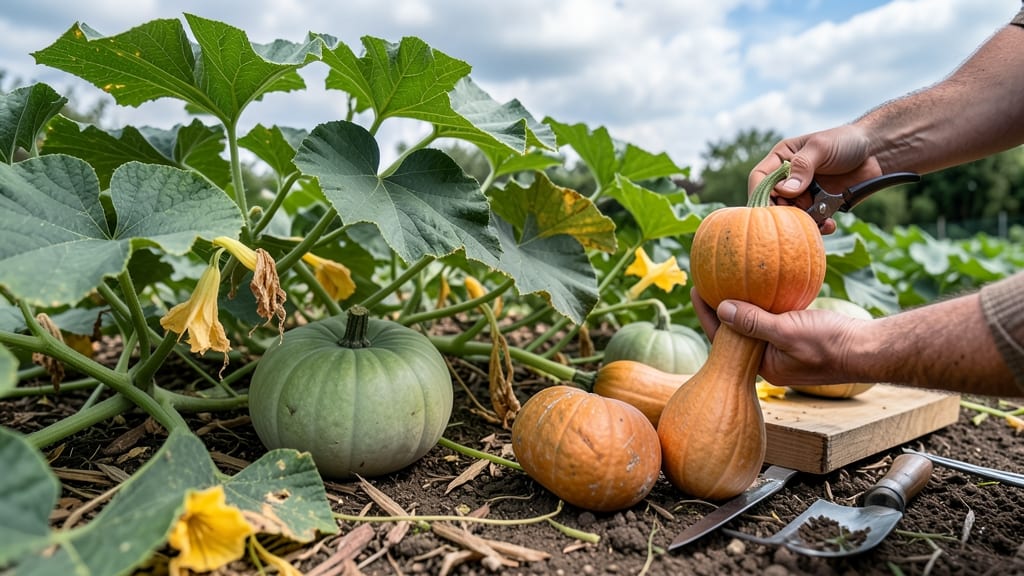
Harvesting butternut pumpkins at the right time ensures their sweetest, firmest flavor—and skipping this step means ending up with bland, mealy flesh instead.
Picture this: you’ve nurtured your 🎃 butternut pumpkins all summer, and now the vines are yellowing, but you’re not sure if they’re ready. One wrong move, and you’ll miss the window where they’re at their peak.
That’s why knowing the exact moment to pick—when the skin hardens, the stem dries, and the fruit feels heavy—is the key to a harvest that tastes like victory.
In USDA Zone 6a, where frost can sneak in by October, timing matters even more. You’ll learn how to read the signs, from the dulling skin to the shrunken stem, and why early morning harvests preserve sweetness better than midday picks.
No guesswork, just a foolproof method to lock in flavor.
Once you’ve mastered the harvest, I’ll show you how to store them for months—whether you’re roasting them now or saving them for winter soups. Let’s turn your garden into a pantry.
3 Tactile tests for harvesting butternut pumpkins at peak ripeness
Harvesting butternut pumpkins at the perfect moment transforms your garden bounty from good to extraordinary. Unlike their decorative cousins, these culinary gems need precise timing to develop their signature sweet, nutty flavor. Rushing the harvest means underdeveloped flesh, while waiting too long risks frost damage or overripe texture.
The secret lies in these three simple hands-on tests that let you "feel" the readiness of your pumpkins.
First, let me share why these tactile methods work better than just checking the calendar. Butternut pumpkins mature at different rates based on climate zone, soil conditions, and even variety.
While most varieties need 100-120 days to reach peak ripeness, these physical tests account for those variables. Think of them as your pumpkin's personal maturity report, delivered straight to your fingertips.
Here's the game-changer: these tests don't require any special tools—just your senses and a little patience. We'll start with the most obvious visual cue, then move to two touch-based methods that reveal what's happening inside the pumpkin.
Pro tip: perform these checks on 3-5 pumpkins from different vines to account for natural variations in your garden.
Look for dull, tan skin with no green at the stem end. The neck should turn from green to cream-beige.
Gently squeeze the stem near the fruit. It should feel dry and papery, not fresh or green. The stem should shrink slightly from the pumpkin.
Tap the pumpkin firmly with your knuckle. A deep, hollow sound means it's ready. A dull thud indicates underripe flesh.
The first test focuses on what you can see: the skin color transformation. When butternut pumpkins are ready, their skin undergoes a dramatic change from vibrant green to a matte tan or beige.
Pay special attention to the neck area where the stem meets the fruit—this is where you'll see the most obvious color shift. I've found that in cooler climates, this color change happens about 2-3 weeks before the pumpkin is actually ready to eat, so don't harvest solely based on color.
For the second test, your fingers become your most valuable tool. The stem hardness is a dead giveaway about internal development. When the stem feels dry and papery (almost like it's detaching naturally), that's your cue.
I remember my first year growing butternuts—I harvested one too early because the stem still felt slightly green. The pumpkin tasted bland and watery. Now I wait until the stem feels like it's already separating from the fruit, which usually happens about 1-2 weeks after the color change.
The third test is my personal favorite because it reveals what's happening inside without cutting into the pumpkin. The thump test works like a fruit's internal echo chamber.
Give the pumpkin a firm knock with your knuckle—if you hear a deep, resonant sound, the seeds are fully developed and the flesh has reached optimal sweetness. A dull thud means the pumpkin needs more time to mature.
This test is especially useful when you're dealing with multiple pumpkins on the vine and need to prioritize which ones to harvest first.
Here's a pro tip that saves me every harvest season: combine all three tests for the most accurate reading. I like to check the color first in the morning light, then do the stem test, and finally the thump test in the afternoon when the pumpkins are warm.
This three-step verification system has never failed me—even in years with unpredictable weather patterns. Remember, butternut pumpkins continue to ripen slightly after harvest, but they won't improve much beyond their peak maturity on the vine.
One common mistake I see gardeners make is harvesting based on pumpkin size alone. While it's true that butternuts typically reach 1-3 pounds at maturity, some varieties stay small but develop perfect flavor.
Others might grow larger but remain underripe. That's why these tactile tests are so valuable—they look beyond just the physical dimensions to assess true readiness. Always trust your senses over the ruler.
For gardeners in warmer climates, these tests take on extra importance because the growing season extends longer. I've had butternuts still maturing in November in my Zone 9 garden, so I rely heavily on the stem test to know when to finally harvest before the first frost.
In cooler regions, you might need to harvest slightly earlier based on your frost date predictions, but always prioritize these tactile cues over the calendar.
Once you've confirmed your butternut pumpkins are ready through these three tests, it's time to harvest with care. Use a sharp pruning shears or knife to cut the stem, leaving about 2 inches attached to the pumpkin.
This helps prevent rot during storage. After harvest, let them cure in the sun for 3-5 days to develop their full sweetness—this is when their flavor truly transforms from good to exceptional.
Best time of day and season to harvest for maximum flavor
Timing your butternut pumpkin harvest at the right time of day and season unlocks their peak sweetness. Early mornings, when temperatures are cooler, concentrate natural sugars in the fruit, making them taste richer. Avoid harvesting during midday heat, as high temperatures can dilute flavor and soften the skin prematurely.
Seasonally, Northern Hemisphere gardeners should aim for late summer to early fall, typically between September and October. Southern Hemisphere growers will harvest from March to May, aligning with their opposite seasons. Always prioritize harvesting before the first frost, as cold temperatures can turn sweet flesh bitter.
| Factor | Northern Hemisphere | Southern Hemisphere |
|---|---|---|
| Best Time of Day | Early morning (5-8 AM) | Early morning (5-8 AM) |
| Seasonal Window | Late August-October | March-May |
| Temperature Ideal | 55-75°F (13-24°C) | 55-75°F (13-24°C) |
| Avoid Harvesting When | Midday heat (>85°F) | Midday heat (>85°F) |
| Post-Frost Action | Harvest immediately | Harvest immediately |
For maximum flavor, harvest on a cool, overcast day—this preserves the fruit’s crisp texture and prevents bruising. If you must pick during hot weather, do so in the late afternoon when temperatures begin to drop.
The sweetness of butternut pumpkins peaks when they’ve fully matured but haven’t yet succumbed to frost damage.
Climate zones also play a role: In warmer zones (8-10), pumpkins may ripen earlier, while cooler zones (3-6) will need extra time. Always monitor your plants’ progress and adjust your harvest timeline based on local weather patterns.
A general rule is to harvest 100-120 days after planting, but visual cues should always take precedence.
Once harvested, cure your pumpkins for 10 days in a warm, dry place (80-85°F) to enhance flavor and extend shelf life. This process allows the skin to harden and the sugars to fully develop, ensuring your butternut pumpkins taste their absolute best.
Store cured pumpkins in a cool, dark place for up to 3 months.
By following these seasonal and daily guidelines, you’ll consistently harvest butternut pumpkins at their sweetest and most flavorful stage, ready for your favorite recipes. Happy harvesting! 🎃